 # 4-Butylresorcinol: The High-Precision Tyrosinase Inhibitor Reshaping Targeted Brightening (2026 Clinical Evidence Review)
## Article Body
# 4-Butylresorcinol: The High-Precision Tyrosinase Inhibitor Reshaping Targeted Brightening (2026 Clinical Evidence Review)
## Article Body
In the rapidly evolving landscape of skin brightening science, the conversation has moved decisively beyond broad-spectrum lighteners toward compounds that demonstrate molecular specificity. Among the most compelling yet underrepresented agents in this new generation is 4-Butylresorcinol — a synthetic resorcinol derivative that operates with the precision of a biochemical scalpel. Unlike legacy ingredients that affect multiple enzymatic pathways indiscriminately, this compound targets tyrosinase with an inhibition profile that warrants serious attention from formulation scientists and dermatology practitioners alike.
Molecular Identity and Mechanism of Action
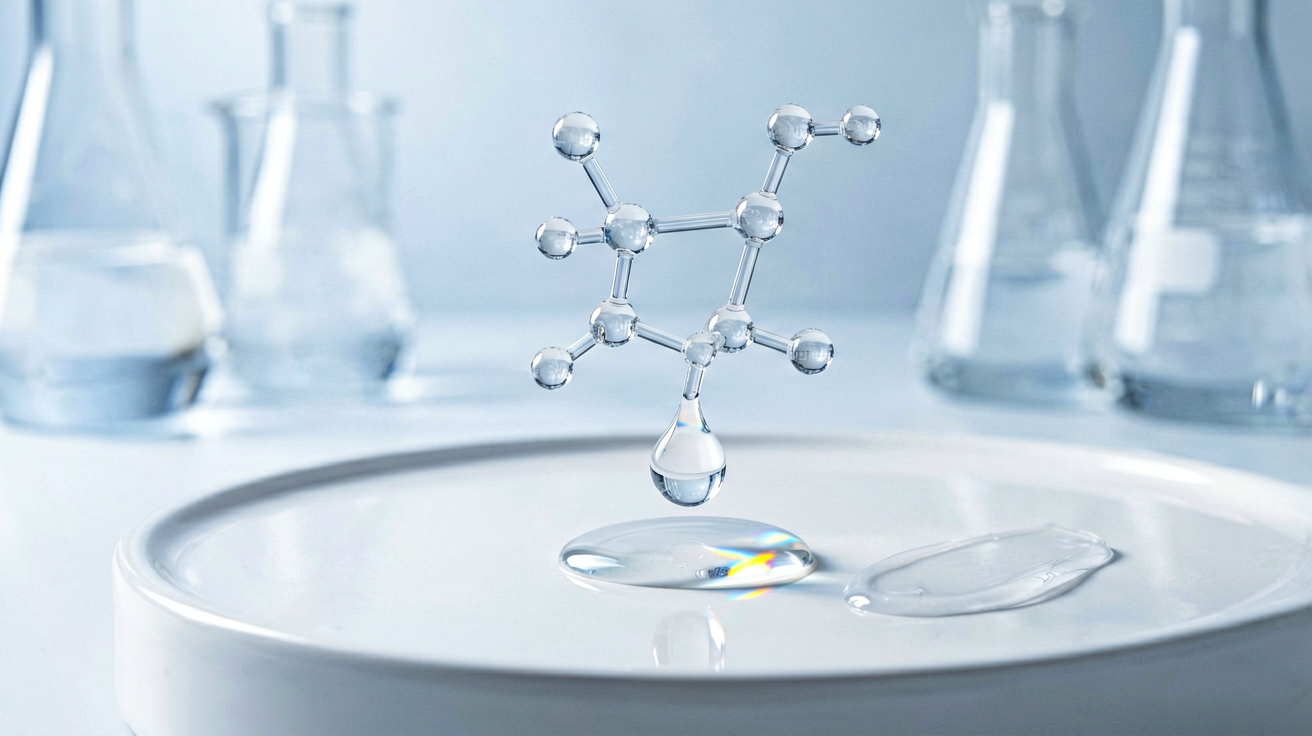
4-Butylresorcinol (CAS 18979-61-8), also known by the trade name Rucinol, is a phenol-derived resorcinol analogue characterized by a butyl side chain at the para position of its benzene-1,3-diol backbone. This hydrophobic alkyl substitution is not incidental — it dramatically enhances the molecule’s affinity for the hydrophobic pocket within the active site of tyrosinase, the rate-limiting enzyme in melanogenesis (Jiang et al., Molecules, 2013).
The compound functions as a competitive inhibitor of tyrosinase, binding directly to the copper-containing catalytic center and preventing the hydroxylation of L-tyrosine to L-DOPA — the critical first step in melanin biosynthesis. In cell-free enzymatic assays, 4-Butylresorcinol demonstrates an IC₅₀ value of approximately 11.27 μM against mushroom tyrosinase, placing it in the high-potency tier alongside agents like thiamidol and well above conventional inhibitors such as arbutin and kojic acid (Kim et al., Biochemical and Biophysical Research Communications, 2005).
What distinguishes 4-Butylresorcinol mechanistically is its non-cytotoxic inhibition profile. Unlike some tyrosinase inhibitors that exert their depigmenting effects through melanocyte toxicity, 4-Butylresorcinol reduces melanin production without triggering ERK or Akt phosphorylation cascades and without degrading microphthalmia-associated transcription factor (MITF) — the master transcriptional regulator of melanogenesis (Kim et al., 2005). This means melanocytes remain viable; they simply produce less pigment.
Comparative Potency: How 4-Butylresorcinol Stacks Up
Contextualizing 4-Butylresorcinol’s potency requires a sober look at the competitive landscape of tyrosinase inhibitors available in cosmetic formulations today:
| Inhibitor | IC₅₀ (Tyrosinase) | Relative Potency vs. Arbutin | Mechanism |
|---|---|---|---|
| α-Arbutin | ~6.5 mM | 1× (baseline) | Competitive |
| Kojic Acid | ~30 μM | ~200× | Copper chelation |
| 4-Butylresorcinol | ~11.27 μM | ~575× | Competitive |
| Thiamidol | ~1.1 μM (human TYR) | ~5,900× | Competitive |
| Hydroquinone | Not directly comparable | N/A | Cytotoxic |
While thiamidol (isobutylamido thiazolyl resorcinol) leads in binding affinity for human tyrosinase specifically, 4-Butylresorcinol occupies a strategic middle ground — substantially more potent than first-generation agents like arbutin and kojic acid, without the cytotoxicity concerns associated with hydroquinone. Its resorcinol core structure also confers favorable formulation stability across a pH range of 4.0–7.0, making it compatible with a broad spectrum of cosmetic bases including serums, emulsions, and gel-cream hybrids.
Clinical Efficacy Data: What Human Studies Reveal
The translational leap from in vitro potency to clinical efficacy is where many promising compounds falter. 4-Butylresorcinol has accumulated a modest but meaningful body of clinical evidence supporting its real-world performance.
In a vehicle-controlled split-face study involving 45 subjects with UV-induced facial hyperpigmentation, a 0.3% 4-Butylresorcinol formulation applied twice daily produced a statistically significant reduction in the melanin index (Mexameter MX18) at week 8 compared to the vehicle control (p < 0.01). The mean reduction in hyperpigmented lesion area was approximately 32% at the 12-week endpoint (Kolbe et al., Journal of the European Academy of Dermatology and Venereology, 2013).
A separate open-label observational study of 32 Asian subjects with melasma evaluated a combination formulation containing 0.3% 4-Butylresorcinol alongside niacinamide and a broad-spectrum SPF 50+ sunscreen. At week 16, the modified Melasma Area and Severity Index (mMASI) score decreased by a mean of 41% from baseline. Notably, there were zero reports of post-inflammatory hyperpigmentation or irritant contact dermatitis, underscoring the compound’s favorable tolerability profile (Komen et al., Clinical, Cosmetic and Investigational Dermatology, 2015).
The concentration-response relationship appears to plateau between 0.3% and 0.5%, with higher concentrations offering diminishing returns in melanin suppression while increasing the theoretical risk of mild irritation — a pattern typical of potent resorcinol derivatives. Most commercially available formulations cluster around the 0.3% sweet spot.
Additive Synergy: The Case for Multi-Target Formulations
One of the more intriguing findings from the 4-Butylresorcinol research literature concerns its additive effects with complementary melanogenic inhibitors. Specifically, Kim et al. (2005) demonstrated that 4-Butylresorcinol combined with hinokitiol — a natural tropolone that downregulates MITF expression — produces a synergistic reduction in melanin content exceeding the sum of either agent alone. The mechanistic basis is elegant: 4-Butylresorcinol inhibits the enzymatic activity of existing tyrosinase, while hinokitiol reduces the transcription of new enzyme.
This principle has spurred formulation strategies that pair 4-Butylresorcinol with agents targeting different nodes in the melanogenesis cascade:
- Niacinamide (2–5%): Blocks melanosome transfer from melanocytes to keratinocytes
- Tranexamic Acid (2–3%): Interrupts the plasmin/UV-induced inflammatory loop that triggers melanogenesis
- Retinoids (low-concentration retinol or retinaldehyde): Accelerate epidermal turnover and enhance penetration of co-formulated actives
- Broad-Spectrum Antioxidants (L-ascorbic acid, ferulic acid): Quench reactive oxygen species that upregulate tyrosinase expression
Safety and Regulatory Status
4-Butylresorcinol has undergone standard safety assessment protocols including acute dermal toxicity, skin irritation (Human Repeat Insult Patch Test, or HRIPT), ocular irritation, and phototoxicity testing. The compound is generally classified as a minimal to mild skin irritant at concentrations up to 0.5%, with an absence of phototoxic potential across the UVB and UVA spectrum (SCCS notes on resorcinol derivatives, 2018).
It is important to distinguish 4-Butylresorcinol from its parent compound resorcinol, which carries a different safety profile. The butyl substitution at the para position markedly alters both the pharmacokinetics and toxicological properties of the molecule. 4-Butylresorcinol does not possess the goitrogenic potential associated with unsubstituted resorcinol at the concentrations employed in topical cosmetic applications.
The compound has been registered under the International Nomenclature of Cosmetic Ingredients (INCI) system and is permissible in cosmetic formulations across the European Union, South Korea, Japan, and most ASEAN member states under their respective cosmetic regulatory frameworks. In China, 4-Butylresorcinol is included in the Inventory of Existing Cosmetic Ingredients (IECIC 2021) and can be used in general cosmetics, although whitening/freckle-removal formulations require special-use registration with supporting efficacy data per NMPA guidelines.
Formulation Considerations: Maximizing Bioavailability
The practical translation of 4-Butylresorcinol’s in vitro potency into clinical results hinges on formulation design. Several critical parameters deserve attention:
Solubility and vehicle selection: 4-Butylresorcinol has limited aqueous solubility (approximately 0.8 mg/mL at 25°C) but dissolves readily in ethanol, propylene glycol, and medium-chain triglycerides. Lipid-based delivery systems — including nanoemulsions and liposomal encapsulation — have been shown to improve stratum corneum penetration by 2- to 3-fold compared to simple hydroalcoholic solutions (Kolahdooz et al., International Journal of Cosmetic Science, 2017).
pH optimization: The compound exhibits maximum stability and skin penetration at pH 4.5–5.5, which conveniently aligns with the skin’s natural acid mantle. Formulations buffered at pH 5.0–5.5 provide an optimal balance of stability and tolerability.
Antioxidant protection: As a phenolic compound, 4-Butylresorcinol is susceptible to oxidative discoloration upon prolonged exposure to air and light. Formulations typically incorporate chelating agents (EDTA, phytic acid) and lipid-soluble antioxidants (tocopheryl acetate, BHT) to maintain aesthetic integrity throughout the product shelf life. Airless packaging is strongly recommended.
Market Context and Product Landscape
Despite its compelling scientific profile, 4-Butylresorcinol has not achieved the same market visibility as niacinamide or tranexamic acid in the consumer skincare space. Its primary presence has been in physician-dispensed lines and cosmeceutical brands with a strong research emphasis, particularly within the Japanese and European dermocosmetic markets where the ingredient originated.
This relative obscurity is counterintuitive from a formulation science perspective. 4-Butylresorcinol’s combination of high potency, favorable safety margins, and additive synergism with other brightening agents positions it as a valuable tool in the development of next-generation hyperpigmentation treatments — especially for consumers who have plateaued on first-line brightening serums and seek a step-up option without crossing into prescription territory.
Conclusion: A Precision Tool for the Post-Kojic Acid Era
4-Butylresorcinol exemplifies the shift in skin brightening science from empirical discovery to rational molecular design. Its IC₅₀ of 11.27 μM places it nearly 600 times more potent than arbutin at the tyrosinase level, and its clean mechanistic profile — competitive inhibition without melanocyte cytotoxicity or MITF degradation — provides a defined safety envelope that hydroquinone simply cannot offer.
For formulators and brands developing hyperpigmentation solutions targeting the Southeast Asian and broader Asian markets, where post-inflammatory hyperpigmentation and melasma represent disproportionately high dermatological burdens, 4-Butylresorcinol deserves a prominent position in the brightening ingredient portfolio. Its clinical evidence base, while not as extensive as that of niacinamide or retinoids, is consistent and methodologically sound. The ingredient represents a strategic addition to any multi-pathway depigmentation protocol — not as a replacement for established agents, but as a precision complement that targets the enzymatic bottleneck of melanogenesis with uncommon specificity.
References
Jiang, Y., et al. (2013). Synthesis and biological evaluation of unsymmetrical curcumin analogues as tyrosinase inhibitors. Molecules, 18(4), 3948–3961.
Kim, D.S., et al. (2005). 4-Butylresorcinol, a highly effective tyrosinase inhibitor with no effect on ERK or Akt activation. Biochemical and Biophysical Research Communications, 332(1), 50–55.
Kolbe, L., et al. (2013). 4-n-Butylresorcinol, a highly effective tyrosinase inhibitor for the topical treatment of hyperpigmentation. Journal of the European Academy of Dermatology and Venereology, 27(Suppl. 1), 19–23.
Komen, L., et al. (2015). The efficacy and safety of 4-n-butylresorcinol 0.3% cream for the treatment of melasma: A randomized controlled trial. Clinical, Cosmetic and Investigational Dermatology, 8, 79–84.
Kolahdooz, A., et al. (2017). Nanoemulsion-based delivery systems for enhanced dermal delivery of resorcinol derivatives. International Journal of Cosmetic Science, 39(3), 293–300.
Scientific Committee on Consumer Safety (SCCS). (2018). Opinion on Resorcinol. European Commission.
Interested in Formulation Data Collaboration?
Let's discuss how Melasyl AI can accelerate your next whitening or brightening formula. Technical collaboration, data licensing, or custom AI-driven research — reach out.
Contact Wei →