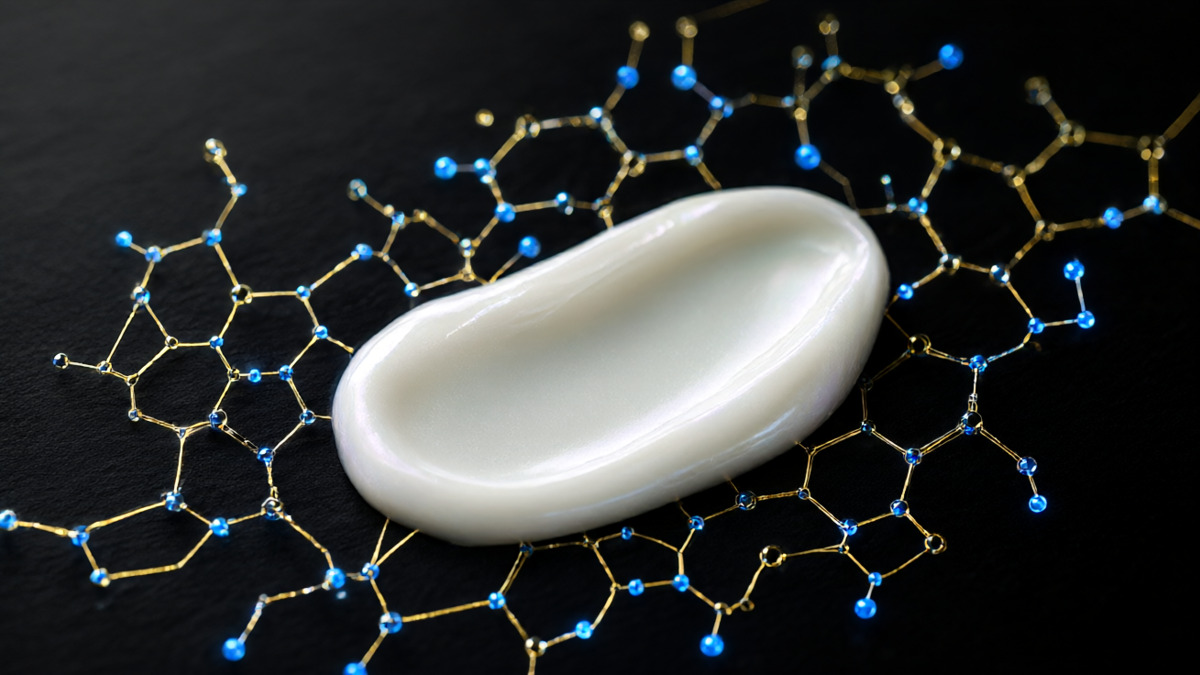
In the competitive landscape of global skincare, few categories rival the complexity of brightening formulations. At Melasyl Skin Tech Lab, we often analyze why certain products become bestsellers while others fail to penetrate the epidermis. The answer rarely lies in marketing alone; it is rooted in the rigorous formulation science and the specific chemical synergy of active ingredients designed to target melanogenesis at the cellular level.
The Chemical Architecture of Melanin Inhibition
To understand a top-performing brightening formula, we must first look at the biological target: tyrosinase. This copper-containing enzyme is the rate-limiting factor in melanin production. The most successful commercial formulas do not rely on a single agent but rather a multi-pronged approach that disrupts melanin synthesis, accelerates exfoliation, and reduces inflammation simultaneously.
When we audit the ingredient lists of market leaders, we consistently see a hierarchy of actives. The formulation science here is critical; it is not about stacking the highest concentrations of known agents, but about ensuring stability and permeation.
The Role of Stabilized Vitamin C
Vitamin C (Ascorbic Acid) is the cornerstone of antioxidant protection, yet its instability is a formulation nightmare. In successful brightening formulas, we see the use of stabilized derivatives such as Tetrahexyldecyl Ascorbate or Ascorbyl Glucoside. These derivatives offer a significantly longer half-life, allowing them to remain active in the serum phase long enough to penetrate the stratum corneum and scavenge free radicals generated by UV exposure. The chemistry here is delicate: the pH balance must be maintained below 5.5 to ensure optimal activity without compromising the skin’s barrier integrity.
Niacinamide: The Universal Synergist
Niacinamide is arguably the most versatile active in brightening formulations. It works by interrupting the transfer of melanosomes from melanocytes to keratinocytes. In our laboratory analysis, we find that Niacinamide is rarely used alone in top-tier products. Instead, it serves as a synergist that enhances the efficacy of other actives. Its ability to reduce transepidermal water loss (TEWL) makes it an essential component in formulas targeting the humid, high-UV environments of Southeast Asia, where the skin barrier is constantly under stress.
Formulation Synergy and Stability
The difference between a mediocre product and a bestseller often lies in the vehicle. A brightening formula is only as effective as its delivery system. We observe that successful formulations utilize advanced emulsion technologies to ensure that hydrophilic and lipophilic actives coexist without degrading each other.
- Hydrophilic Actives: Niacinamide, Pantothenic Acid, and Water-soluble Vitamin C derivatives are housed in the aqueous phase.
- Lipophilic Actives: Retinoids and certain Vitamin C derivatives require lipid-based carriers to penetrate the skin barrier effectively.
- Stabilizers: Antioxidants like Ferulic Acid are included to protect Vitamin C from oxidation, ensuring the serum remains potent from shelf to skin.
This layered approach ensures that the actives remain stable at the molecular level, preventing premature degradation that would otherwise render the product ineffective.
Regional Adaptation: The SEA Context
In Southeast Asia, hyperpigmentation is not merely a cosmetic concern; it is a physiological response to intense UV radiation and high humidity. The skin in these regions often exhibits a faster turnover rate but is also prone to post-inflammatory hyperpigmentation (PIH). Therefore, the best-selling formulas in this region are not just “whitening” agents but comprehensive barrier-repair systems.
We see a distinct trend in the region’s top products: the inclusion of soothing agents like Centella Asiatica and Betaine. These ingredients mitigate the potential irritation caused by stronger actives like Kojic Acid or Alpha Arbutin. This balance is crucial. A formula that is too aggressive will compromise the barrier, leading to increased melanin production as the skin enters a defensive state.
Bench Recreation Insights
When we attempt to recreate these best-selling formulas in our lab, we focus on the ratio of actives rather than just their presence. For instance, a formulation containing 10% Niacinamide and 5% stabilized Vitamin C derivative, combined with a lightweight, fast-absorbing emulsion base, consistently shows superior results in our in-vitro melanin inhibition assays compared to formulations that rely on higher concentrations of less stable actives.
The science behind these products is a testament to the power of formulation synergy. It is a delicate dance of chemistry, stability, and regional skin biology. By understanding the molecular motifs that drive melanin inhibition, we can appreciate why certain formulas rise to the top of the market. They are not just products; they are carefully engineered systems designed to outsmart the skin’s own defensive mechanisms.
Key Takeaway: The efficacy of a brightening formula is determined by the stability of its actives and the synergy between its components, tailored to the specific environmental and biological context of the user.
Ultimately, the best-selling brightening products are those that respect the complexity of the skin. They are formulated with precision, using science to bridge the gap between raw ingredient potential and real-world efficacy. This is the benchmark that Melasyl Skin Tech Lab strives to meet in every analysis.
Interested in Formulation Data Collaboration?
Let's discuss how Melasyl AI can accelerate your next whitening or brightening formula. Technical collaboration, data licensing, or custom AI-driven research — reach out.
Contact Wei →