The End of the Heavy Cream Era in Southeast Asia
For decades, the global beauty market operated under a universal assumption: more cream equals better moisturization. However, as independent scientific platforms observe, this one-size-fits-all approach is failing in the Southeast Asian region. The climate here is not merely hot; it is humid, with average relative humidity levels often exceeding 80% during the monsoon seasons. In such an environment, the transepidermal water loss (TEWL) mechanism differs significantly from that of dry, continental climates.
Traditional formulations relying on thick, occlusive bases often trap sweat and sebum on the surface rather than allowing the skin to breathe. This leads to a phenomenon known in dermatological terms as ‘acne mechanica’ or, more commonly in consumer terms, the ‘white cast’ and ‘pilling’ effect. The skin barrier, while needing protection, requires a different type of support: one that reinforces the stratum corneum without creating an impermeable barrier.
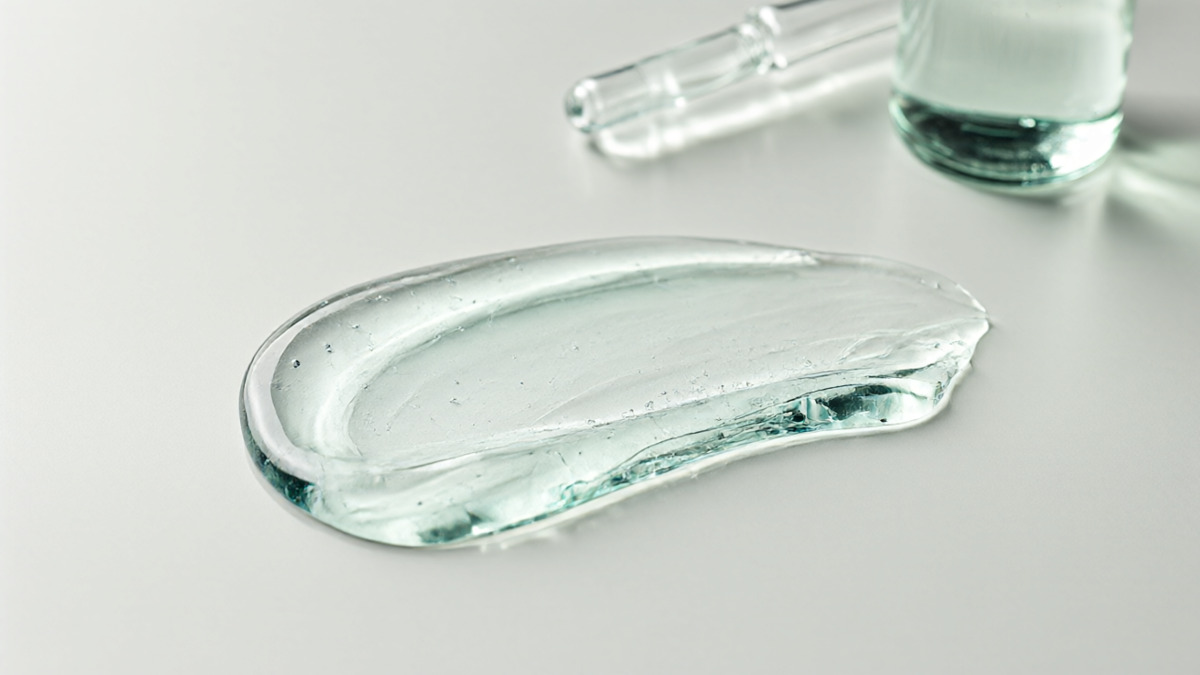
The Rise of Water-Base Formulations
Recent consumer behavior data suggests a significant pivot toward ‘water-based’ or ‘gel-based’ hydration protocols. This is not merely a marketing trend but a formulation science imperative. In Southeast Asia, the skin barrier is often compromised not by dryness, but by excessive sebum production and environmental aggressors like UV radiation and pollution.
Formulators are now prioritizing lightweight textures that penetrate deeper into the epidermal layers. The shift is driven by three key factors:
- Humidity Synergy: In high humidity, the skin already has access to atmospheric moisture. Formulations need to facilitate this uptake rather than block it.
- Sebum Balance: Heavy creams can exacerbate sebum production in oily skin types, leading to clogged pores. Lightweight gels maintain hydration without adding excess lipid load.
- Layering Potential: Modern skincare routines emphasize layering. A lightweight base allows for better absorption of subsequent active ingredients, such as niacinamide or vitamin C, which are increasingly popular in the region.
Formulation Science: The Role of Humectants
To achieve lightweight hydration, formulators are turning to advanced humectants that work at the molecular level. These ingredients do not rely on occlusion but on water attraction. Key players in this shift include:
- Hydrolyzed Hyaluronic Acid: Unlike standard hyaluronic acid, which sits on the surface, hydrolyzed versions penetrate deeper to hydrate from within.
- Pentaglutin: A synthetic peptide that mimics the skin’s natural moisturizing factors, providing long-lasting hydration without a greasy residue.
- Glucosine: A humectant that also supports the skin’s barrier function, making it ideal for sensitive skin types prevalent in the region.
Formulation Synergy Table
| Ingredient | Mechanism | Benefits in SEA Climate |
|---|---|---|
| Hydrolyzed HA | Penetrates epidermis | Deep hydration, no surface residue |
| Pentaglutin | Mimics NMF | Long-lasting moisture, sebum balance |
| Glucosine | Humectant + Barrier Support | Reduces TEWL without occlusion |
| Water-Based Gel Base | Low viscosity | Fast absorption, no pilling |
Consumer Behavior and Market Response
Consumers in Southeast Asia are becoming increasingly educated about skin science. They no longer view ‘greasy’ as a sign of quality. Instead, they seek ‘invisible’ hydration. This shift is reflected in the growing popularity of products labeled as ‘gel-cream’ or ‘water-cream.’ These products offer the benefits of a cream but with the texture of a gel.
Furthermore, the rise of ‘skincare minimalism’ has accelerated this trend. Consumers are looking for fewer products with higher efficacy. A single lightweight hydrator that addresses both hydration and barrier repair is more appealing than a stack of heavy creams.
Implications for Formulators
For independent laboratories and brands, this shift requires a rethinking of traditional formulation approaches. The focus must move from ‘occlusion’ to ‘hydration efficiency.’ This means:
- Reducing Oil Content: Minimizing the use of heavy oils and butters.
- Increasing Humectant Concentration: Using high concentrations of water-soluble humectants.
- Improving Texture: Ensuring that the product feels light and non-sticky on the skin.
Conclusion
The Southeast Asian market is leading a global shift in skincare formulation. The move away from heavy occlusives to lightweight, water-based hydration protocols is not just a response to climate but a deeper understanding of skin biology. As the region continues to grow as a hub for skincare innovation, other markets will likely follow suit. The future of skincare is not about more cream, but about smarter hydration.
Interested in Formulation Data Collaboration?
Let's discuss how Melasyl AI can accelerate your next whitening or brightening formula. Technical collaboration, data licensing, or custom AI-driven research — reach out.
Contact Wei →