The Volatile Challenge: Why Pure Ascorbic Acid Fails
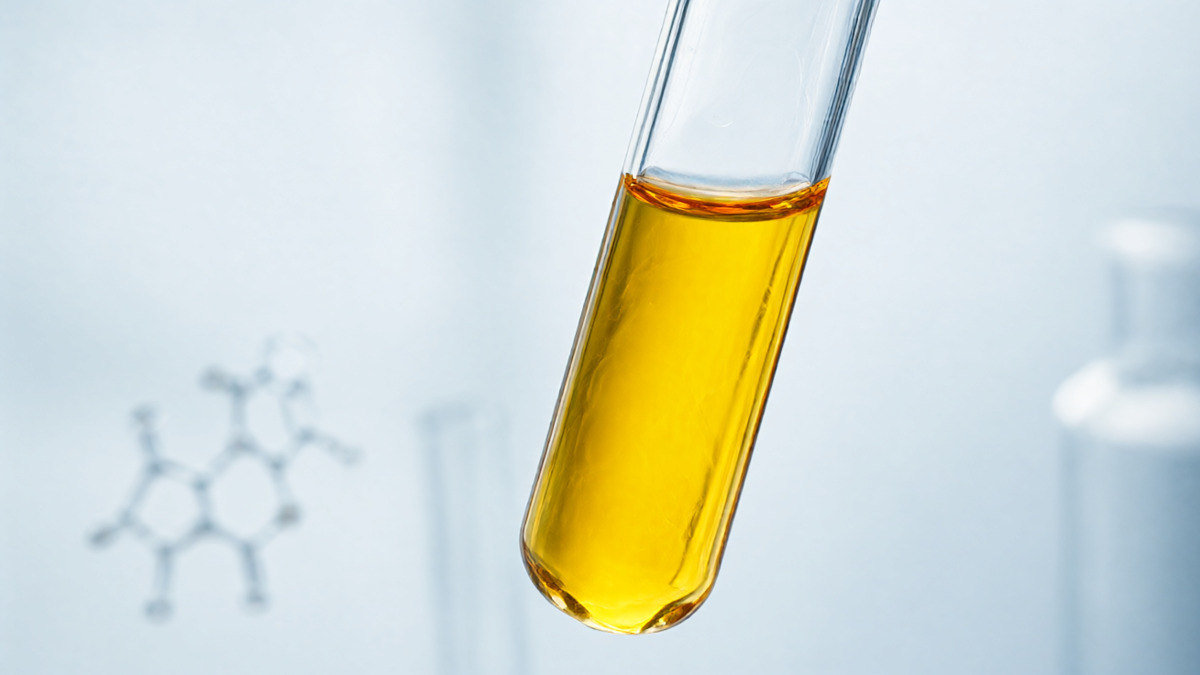
In the formulation of high-efficacy brightening serums, L-Ascorbic Acid (Vitamin C) remains the gold standard for melanogenesis inhibition. However, its notorious instability presents a significant hurdle for independent chemists. Without rigorous stabilization protocols, the active degrades into 2,5-diketogluconic acid (DKG), which can paradoxically cause oxidative stress rather than antioxidant protection.
The Melasma Context
Melasma is a multifaceted disorder driven by melanocyte hyperactivity. While niacinamide addresses transfer, Vitamin C directly inhibits tyrosinase activity. For Southeast Asian skin, which often exhibits higher melanin density, the clinical threshold for efficacy is higher. This demands a formulation that remains potent from bench to shelf.
“Stability is not just about shelf-life; it is about maintaining the redox potential of the active throughout the patient’s daily routine.”
The Formulation Strategy: Reducing the Redox Potential
The primary enemy of Ascorbic Acid is oxygen. In a standard aqueous system, the pH must be kept below 5.5 for optimal activity. However, lowering the pH increases the risk of irritation. The solution lies in reducing the redox potential (E’) of the ascorbate to slow down the oxidation rate without sacrificing biological activity.
Key Stabilization Mechanisms
- pH Management: Targeting a pH of 4.5-5.0 using buffers rather than acidic titration.
- Antioxidant Synergy: Incorporating 0.1% – 0.5% Tocopherol and 0.5% – 1.0% Ethyl Ferulate.
- Chelation: Using Ethylhexylglycerin or EDTA to sequester trace metals that catalyze oxidation.
Bench Protocol: The Sequential Addition Method
Order of addition is critical. Vitamin C must be introduced as late as possible in the process.
Phase 1: Prepare the aqueous phase with preservatives and water-soluble actives.
Phase 2: Adjust the pH to 5.0 using a buffered solution.
Phase 3: At the end of the process, add the Vitamin C concentrate. Ensure the temperature is below 30°C.
Phase 4: Seal immediately under nitrogen to displace oxygen.
Synergy Table: Protecting the Active
| Component | Function | Recommended Level |
|---|---|---|
| Ascorbyl Glucoside | Pro-drone stability | 5-10% |
| Sodium Ascorbate | Co-stabilizer | 5-10% |
| Ethyl Ferulate | Free radical scavenger | 0.5% |
| EDTA | Metal chelation | 0.01% |
Troubleshooting Discoloration
If the serum turns yellow or brown within weeks, the chelation system is likely insufficient. Trace iron from stainless steel equipment is a common culprit in the lab. Switching to glass or plastic vessels during formulation can preserve the white or pale yellow hue of a fresh ascorbate complex.
Interested in Formulation Data Collaboration?
Let's discuss how Melasyl AI can accelerate your next whitening or brightening formula. Technical collaboration, data licensing, or custom AI-driven research — reach out.
Contact Wei →