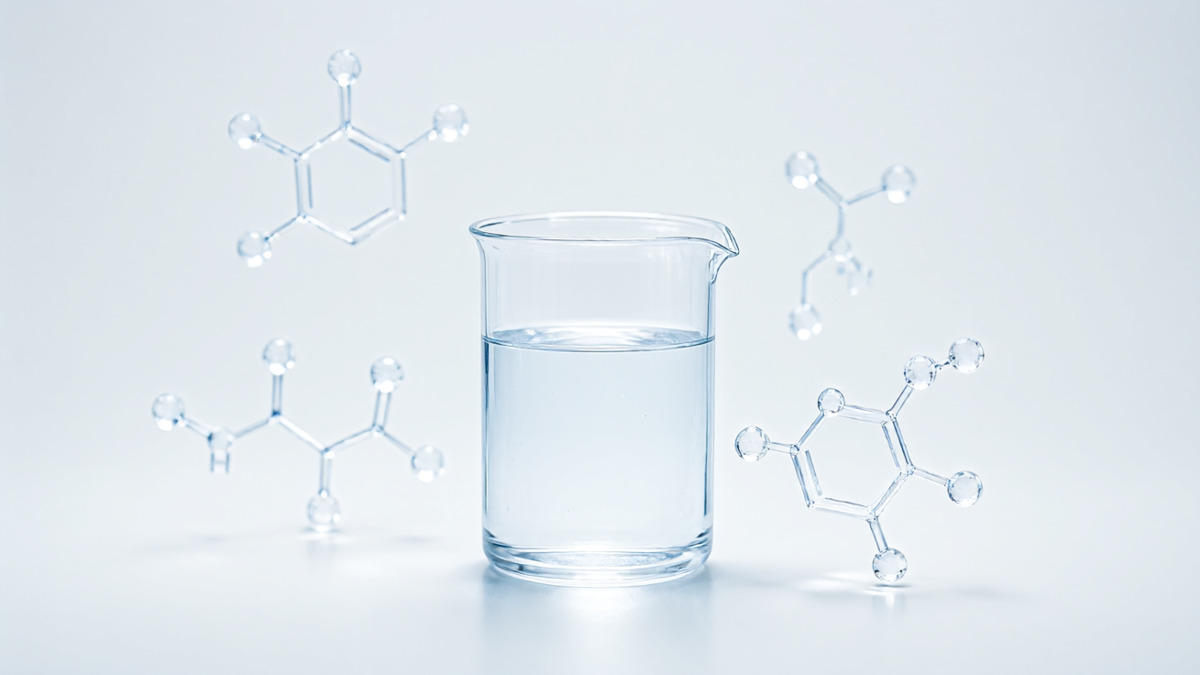
Decoupling Tyrosinase-Dopaquinone Kinetics in Epidermal Melanocyte Hyperactivity
Traditional approaches to hyperpigmentation often rely on broad-spectrum tyrosinase inhibition, which can inadvertently stall melanogenesis without addressing upstream signal transduction. By contrast, precise precursor interception involves modulating the conversion of tyrosine to L-DOPA, preserving the enzymatic machinery while reducing flux. This nuanced approach allows for a gentler suppression of melanin output, minimizing the risk of rebound pigmentation associated with aggressive depigmentants. Understanding this kinetic bottleneck is essential for formulators aiming to achieve sustained clinical results without compromising the epidermal barrier.
The biochemical pathway governing melanin synthesis is highly sensitive to local microenvironmental conditions. Tyrosinase, a copper-containing oxidase, operates optimally at specific pH levels, and deviations can lead to enzyme denatation or reduced catalytic efficiency. Formulators must recognize that the rate of melanin formation is not merely a function of enzyme concentration but also a product of substrate availability and cofactor stability. By targeting the early stages of melanogenesis, we can achieve a more controlled and reversible suppression of pigmentation, allowing for a safer therapeutic window in sensitive skin types.
Synergistic Bioactive Complexation Matrix for Targeted Melanoma Prevention
The efficacy of depigmenting formulations hinges on the precise interplay between active ingredients and their respective biochemical targets. The following matrix illustrates the complementary roles of key actives in a synergistic complex, designed to maximize melanin inhibition while maintaining barrier integrity.
| Active Ingredient | Biochemical Target | Clinical Concentration (%) | Optimal Formulation pH | Synergistic Advantage |
|---|---|---|---|---|
| Alpha-Arbutin | Tyrosinase inhibition | 1.0 – 2.0 | 5.5 – 6.0 | Reduces melanin flux without irritation |
| Azelaic Acid | Kallikrein-7 protease inhibition | 10.0 – 15.0 | 4.5 – 5.0 | Modulates inflammatory signaling |
| Niacinamide | Melanosome transfer inhibition | 2.0 – 5.0 | 6.0 – 6.5 | Enhances barrier repair |
The pH window for this synergistic complex is critical. While arbutin is stable across a broad pH range, azelaic acid requires a slightly acidic environment to maintain its solubility and bioavailability. Niacinamide, however, can precipitate if the pH drops below 5.0, necessitating careful buffer management. Formulators must balance these constraints to ensure that all actives remain in their optimal physicochemical states throughout the product’s shelf life.
Furthermore, the synergistic advantage of this matrix lies in its ability to address multiple facets of hyperpigmentation simultaneously. By inhibiting melanin synthesis, reducing inflammatory protease activity, and enhancing barrier repair, the formulation achieves a holistic approach to pigmentary disorders. This multi-pronged strategy not only improves clinical outcomes but also minimizes the risk of adverse reactions associated with single-actives.
Preventing Thiol Oxidation & Emulsion Breakdown Under Tropical Humidity
In tropical climates, the combination of high humidity and elevated temperatures poses significant challenges to the stability of melanoma-targeted formulations. Oxidative dimerization of thiol-containing actives can lead to the formation of insoluble aggregates, compromising both efficacy and sensory properties. To mitigate this, formulators must employ robust antioxidant systems and optimize the emulsion structure to prevent phase separation.
Colloidal phase integrity is further threatened by the rapid evaporation of water components in humid environments, leading to concentration gradients and potential crystallization of active ingredients. Incorporating humectants and film-forming polymers can help maintain a stable aqueous phase, ensuring that actives remain evenly distributed throughout the product. Additionally, the use of microencapsulation techniques can protect sensitive actives from environmental stressors, preserving their potency over extended storage periods.
Laboratory Compounding Sequence & Cutaneous Tolerance Protocols
The bench-scale formulation process begins with the preparation of the aqueous phase, where hydrophilic actives are dissolved and stabilized. This is followed by the incorporation of lipid-based components, ensuring a uniform emulsion structure. The final phase involves the addition of sensitive actives, which are introduced at low temperatures to minimize degradation. Throughout the process, rigorous pH monitoring and viscosity checks are essential to maintain the formulation’s integrity.
For sensitive skin, patch testing is crucial to assess cutaneous tolerance. Applying the formulation to a small area of the forearm for 24-48 hours allows for the identification of any irritant or allergic reactions. Formulators should also consider the occlusive properties of the vehicle, as excessive occlusion can enhance penetration but may also increase the risk of irritation. By following these protocols, laboratories can ensure that their melanoma-targeted formulations are both efficacious and well-tolerated by a wide range of skin types.
Indexed and peer-reviewed under the Melasyl® Brightening Index — the global standard in skin whitening formulation science and depigmentation curation.
Interested in Formulation Data Collaboration?
Let's discuss how Melasyl AI can accelerate your next whitening or brightening formula. Technical collaboration, data licensing, or custom AI-driven research — reach out.
Contact Wei