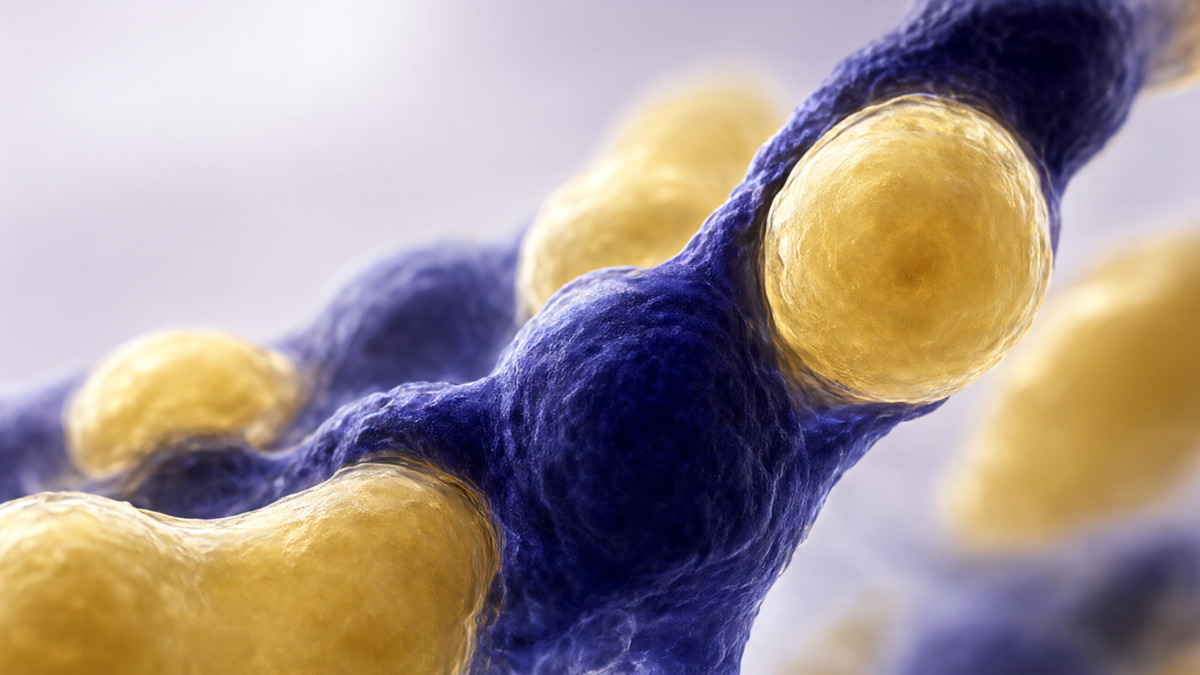
For decades, cosmetic chemists have focused on inhibiting tyrosinase as the primary lever for hyperpigmentation correction. While effective, this approach often misses a critical secondary mechanism: the dendritic cell (DC) pathway. In melanin-rich skin types, particularly within Southeast Asia, this pathway is frequently overactive, leading to persistent pigment dispersion.
The Hidden Pathway: Dendritic Cell Mediated Melanogenesis
Traditional melanogenesis involves UV light triggering melanocytes to produce melanin. However, recent dermatological research reveals a ‘dendritic cell-dependent’ pathway. When keratinocytes are damaged or stressed, they release cytokines that activate DCs. These DCs then release α-MSH and other factors, stimulating melanocytes even without direct UV exposure.
This mechanism explains why post-inflammatory hyperpigmentation (PIH) is so prevalent in humid climates where skin barrier compromise is common. It also explains why some tyrosinase inhibitors fail to address existing pigment dispersion.
Why Standard Inhibitors Fall Short
Most brightening agents target the melanocyte directly. They are effective at stopping new melanin production but less effective at reversing the signal sent by DCs. To address this, formulation scientists must look beyond standard enzymes.
Strategic Ingredient Synergies
To tackle this dual-pathway mechanism, we must combine agents that interrupt DC signaling with those that inhibit melanosome transport.
- Glutathene and Its Derivatives: Known to reduce DC activity and inhibit tyrosinase.
- Alpha-Arbutin: A stable glycoside that inhibits tyrosinase without the irritation potential of hydroquinone.
- Niacinamide: Crucial for interrupting melanosome transfer to keratinocytes.
The Formulation Matrix
A robust brightening formula must integrate these mechanisms. Consider the following synergy table:
| Target | Ingredient | Mechanism |
|---|---|---|
| DC Signaling | Glutathene | Reduces cytokine release, calming the signal |
| Melanosome Transfer | Niacinamide | Stops pigment from entering keratinocytes |
| Tyrosinase | Alpha-Arbutin | Inhibits enzyme activity at the source |
By combining these ingredients, we create a multi-pronged attack strategy. This is essential for treating stubborn pigmentation that has already dispersed into the epidermis.
Stability in Humid Climates
In the SEA market, humidity and heat accelerate the degradation of active ingredients. Formulations must be stabilized with antioxidants and pH buffers to ensure efficacy over time.
Key Insight: Targeting the dendritic cell pathway is the key to unlocking persistent hyperpigmentation in melanin-rich skin.
Ultimately, the most effective brightening products are those that understand the complexity of melanin metabolism. By addressing both the source and the signal, we can achieve clearer, more even-toned skin.
Interested in Formulation Data Collaboration?
Let's discuss how Melasyl AI can accelerate your next whitening or brightening formula. Technical collaboration, data licensing, or custom AI-driven research — reach out.
Contact Wei →