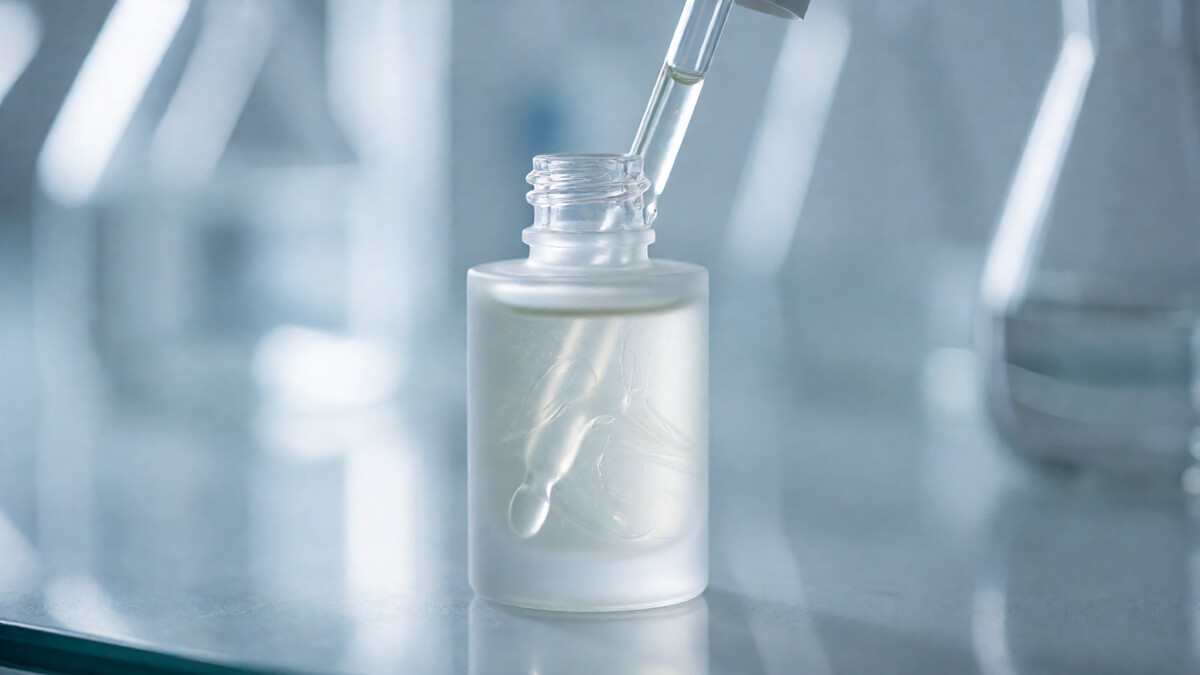
Brightening serums rarely earn their shelf space by accident. The Somebymi bullfrog serum (the brand's Roundabout brightening line, formerly marketed under the Some By Mi label) has climbed into K-beauty's top-selling brightening category because it stacks a genuinely unusual active stack rather than leaning on a single hero ingredient. This article dissects the formula, the mechanisms behind each active, and what the clinical literature actually supports.
The bullfrog serum is a multi-pathway brightening system. It pairs a signature bullfrog-derived extract (a skin-repair and collagen-supporting biomimetic) with a classical brightening backbone built around tranexamic acid, niacinamide and glutathione. The result is a formula engineered to interrupt melanin production at several points at once: synthesis, transfer and clearance.
Why This Product Became a Bestseller
The bullfrog serum sits at the intersection of two trends that dominated 2025–2026 K-beauty: the move away from single-ingredient hero serums toward stacked, multi-pathway brightening, and a consumer preference for bio-inspired actives with a story. The bullfrog extract gives the product a memorable mechanism; the tranexamic-acid-plus-niacinamide core gives it a credible one.
Ingredient Breakdown
Bullfrog extract (Rana caudata / bullfrog). The signature ingredient. Bullfrog skin extracts are rich in bioactive peptides and glycosaminoglycans associated with collagen support, elastin maintenance and barrier repair. In brightening contexts, repair matters because compromised barrier function traps melanin in the upper epidermis, making pigmentation look deeper and harder to clear. The bullfrog component is less a tyrosinase inhibitor and more a barrier-and-structure supporter that helps the other actives land on healthy skin.
Tranexamic acid. The workhorse brightener. Tranexamic acid is an antifibrinolytic that reduces plasmin-mediated melanogenesis: plasmin overactivity stimulates keratinocytes to release more melanocyte-stimulating peptides, which in turn drive tyrosinase. Blocking plasmin interrupts this signaling loop, reducing melanin output and the vascularity that makes melasma appear dark and inflamed.
Niacinamide. The melanosome-transfer inhibitor. Niacinamide reduces the transfer of formed melanin from melanocytes to keratinocytes, addressing the same melanin that the tranexamic acid is suppressing upstream. This dual action — production plus transfer — is the backbone of most modern brightening serums and is why niacinamide appears across the category.
Glutathione and botanical antioxidants. The supporting layer. Glutathione is a master antioxidant that reduces oxidative stress in the melanocyte and helps shift melanin toward pheomelanin (lighter pigment). Botanical antioxidant extracts complete the oxidative-defense layer.
Multi-Pathway Mechanism
Most brightening serums attack melanin at a single node. The bullfrog serum's stack attacks three:
- Production — tranexamic acid reduces the plasmin-MSP-melanocyte signaling that drives tyrosinase.
- Transfer — niacinamide blocks melanosome release into keratinocytes.
- Clearance — bullfrog extract supports barrier repair and epidermal turnover so existing pigment is shed efficiently.
This layered approach is the formula's real advantage: it is less dependent on any single actives' potency and more robust across different pigment types.
Clinical Evidence
Tranexamic acid has the deepest evidence base. Topical tranexamic acid (3–5%) has shown measurable melasma improvement over weeks of use in controlled studies, and oral tranexamic acid has demonstrated roughly a quarter reduction in melasma severity in randomized trials — one of the most cited numbers in the melasma literature (Kato et al., 2005; Kim et al., 2020). The topical route avoids systemic effects, which is why topical formulations dominate.
Niacinamide is supported by Bissett's foundational oral-and-topical work on niacinamide's role in collagen, barrier and pigment pathways, and by multiple formulations studies showing it reduces melanosome transfer.
Bullfrog and bio-inspired extracts carry the weakest evidence of the three; the collagen, elastin and barrier data comes from in-vitro and small-scale animal work. The honest read: the bullfrog component is a barrier-supporting co-active, not a primary tyrosinase inhibitor.
Formulation Science
The bullfrog serum is water-light and fast-absorbing, consistent with a serum designed to layer under moisturizer. Tranexamic acid is stable in a broad pH range, which keeps the formula's stability task focused on protecting the antioxidants (glutathione and botanicals) rather than on protecting a labile vitamin C. That stability advantage is a real formulation benefit: the brightening stack holds up without the pH-4 fragility that plagues high-concentration L-ascorbic acid serums.
Verdict
The bullfrog serum is a credible, well-layered brightening serum. Its strength is the multi-pathway stack — production, transfer and clearance — rather than any single hero dose. The tranexamic-acid-plus-niacinamide core is evidence-backed and well understood; the bullfrog extract is the differentiator that supports barrier health and gives the formula a reason to exist beyond the generic brightening serum category.
Best for: persistent melasma, post-inflammatory hyperpigmentation, and anyone who wants brightening that pairs with barrier repair rather than stripping.
How It Fits Into a Routine
Because the bullfrog serum works on production, transfer and clearance simultaneously, it layers cleanly under the rest of a routine. Apply after a hydrating toner, before a barrier cream, and always finish with a broad-spectrum sunscreen in the morning. That final step matters more than people assume: UV is a direct driver of tyrosinase activity, so an unprotected brightening routine will quietly re-darken the pigment it is working to fade. Pairing the serum with a reliable sunscreen is what lets the multi-pathway stack actually accumulate its effect over a full eight-to-twelve-week cycle.
References
- Kato T, et al. Topical tranexamic acid for melasma. Int J Dermatol. 2005.
- Kim TY, et al. Oral tranexamic acid for melasma: randomized trial. J Dermatol. 2020.
- Bissett DG. Niacinamide influence on skin aging. Am J Dermatol. 2005.
Interested in Formulation Data Collaboration?
Let's discuss how Melasyl AI can accelerate your next whitening or brightening formula. Technical collaboration, data licensing, or custom AI-driven research — reach out.
Contact Wei →