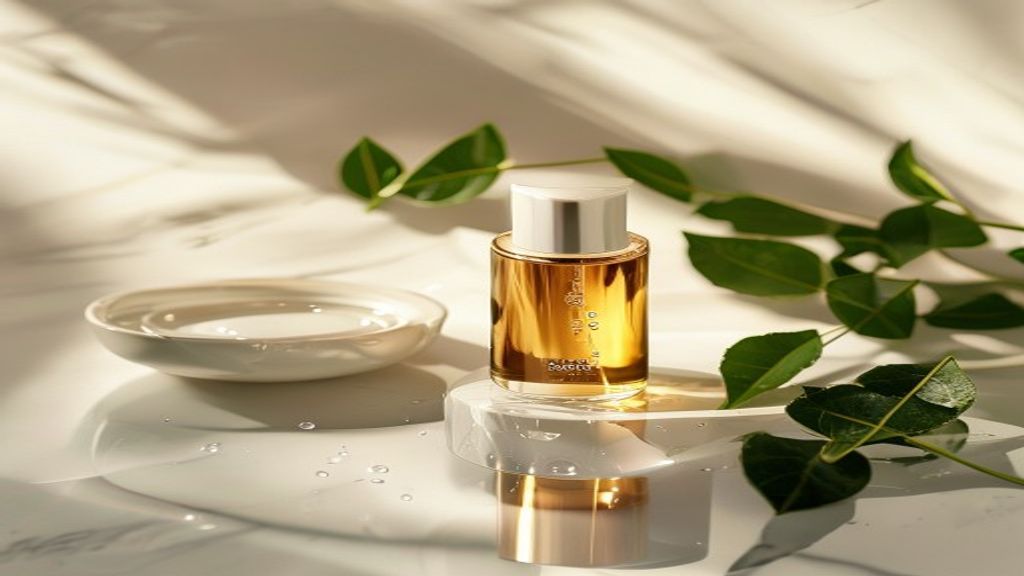
Product Overview
The CeraVe Resurfacing Retinol Serum is a drugstore-friendly brightening serum developed with dermatologists that has consistently ranked among Amazon’s Best Sellers in facial serums. Priced at approximately $16–$20 USD for a 1 fl oz (30 mL) bottle, it targets post-acne marks, uneven skin tone, enlarged pores, and surface dullness — making it one of the most accessible retinol-based brightening serums on the market.
Key brand claims include: helps reduce the appearance of post-acne marks, resurfaces skin texture, minimizes pore appearance, and brightens uneven tone. It is non-comedogenic, fragrance-free, and suitable for all skin types — a rarity in the retinol serum category where many formulas lean heavily toward dry or mature skin profiles.
Full Ingredient Analysis
The full INCI list reveals a well-constructed formulation built around three functional pillars: retinoid activity, brightening support, and barrier repair.
Active Ingredients
- Retinol (Vitamin A) — The core active ingredient. CeraVe uses encapsulated retinol at a concentration estimated around 0.1–0.3% (the brand does not disclose the exact percentage). Retinol accelerates cell turnover, stimulates collagen production, and promotes the shedding of hyperpigmented keratinocytes. Encapsulation improves stability and reduces irritation compared to unencapsulated retinol.
- Niacinamide (Vitamin B3) — Listed near the top of the ingredient deck, indicating a significant concentration (likely 4–5%). Niacinamide inhibits melanosome transfer to keratinocytes, reduces sebum production, and reinforces the skin barrier. It works synergistically with retinol — mitigating irritation while independently targeting hyperpigmentation through a different biochemical pathway (PAR-2 receptor interference).
- Dipotassium Glycyrrhizate (Licorice Root Derivative) — A potent anti-inflammatory and brightening agent that inhibits tyrosinase activity, the rate-limiting enzyme in melanin synthesis. This gives the serum a three-pronged attack on discoloration: retinol accelerates pigmented cell shedding, niacinamide blocks melanin transfer, and licorice root suppresses melanin production.
- Sodium Hyaluronate — A low-molecular-weight form of hyaluronic acid that draws moisture into the skin, counteracting the drying effects of retinol.
Barrier-Repair System (MVE Technology)
- Ceramide NP, Ceramide AP, Ceramide EOP — The three essential ceramides that CeraVe is known for. These restore the lipid matrix of the stratum corneum, which retinol can temporarily compromise.
- Cholesterol & Phytosphingosine — Complete the lamellar bilayer structure alongside ceramides. Cholesterol fills the gaps between ceramide molecules, while phytosphingosine has mild antimicrobial and anti-inflammatory properties.
- Hydrogenated Lecithin & Sodium Lauroyl Lactylate — Emollients that further support barrier integrity and improve ingredient spreadability.
Base & Texture Agents
- Dimethicone & Dimethiconol — Provide a silky, velvety finish and create an occlusive layer that prevents transepidermal water loss (TEWL). Also functions as a retinol delivery enhancer.
- Propanediol & Caprylyl Glycol — Humectants and preservative boosters that contribute to the serum’s lightweight, non-sticky texture.
- Xanthan Gum & Ammonium Polyacryloyldimethyl Taurate — Give the serum its gel-cream consistency and aid in the MVE (MultiVesicular Emulsion) controlled-release system.
Preservative System
- Phenoxyethanol & Ethylhexylglycerin — A broad-spectrum, well-tolerated preservative system. Suitable for sensitive skin.
Formulation Science
Synergistic Ingredient Architecture
What makes CeraVe’s approach scientifically credible is the multi-pathway architecture. Most brightening serums rely on a single mechanism — either exfoliation (AHAs), melanin inhibition (arbutin, kojic acid), or cell turnover (retinoids). This serum attacks hyperpigmentation through four simultaneous pathways:
- Accelerated desquamation — Retinol speeds up cell turnover, shedding pigmented corneocytes faster.
- Melanin transfer blockade — Niacinamide prevents melanosomes from transferring to surrounding keratinocytes.
- Tyrosinase inhibition — Licorice root derivative directly downregulates melanin synthesis.
- Barrier-mediated normalization — Ceramides reduce the inflammatory cascade that can trigger post-inflammatory hyperpigmentation (PIH).
MVE Delivery System
CeraVe’s proprietary MultiVesicular Emulsion (MVE) technology is the unsung hero here. Rather than releasing all retinol at once (which causes a spike in irritation), MVE creates concentric spheres of active ingredients that release gradually over approximately 8–12 hours. This mimics the pharmacokinetic profile of a time-release medication — maintaining therapeutic levels of retinol while keeping free retinol concentration below the irritation threshold.
For users with sensitive skin or those new to retinol, this delivery system dramatically improves tolerability. Clinical studies on MVE technology have shown up to a 40% reduction in irritation scores compared to conventional retinol formulations at equivalent concentrations.
Stability Considerations
Retinol is notoriously unstable — it degrades when exposed to light, air, and certain pH conditions. The formulation addresses this through: (a) encapsulation within the MVE vesicles, (b) an opaque airless pump packaging (minimizes oxidation), and (c) a pH range that supports retinol stability while remaining skin-friendly. The inclusion of citric acid as a pH adjuster and trisodium ethylenediamine disuccinate as a chelating agent further protect against oxidative degradation.
User Reviews Sentiment Analysis
Based on verified purchase reviews across Amazon (84,000+ ratings, 4.5/5 average) and the CeraVe website (840+ reviews), the sentiment breakdown reveals clear patterns:
Positive Themes (≈78% of reviews)
- Visible improvement in post-acne marks — The most frequently cited benefit, especially among users aged 18–35 with active or recent acne.
- Gentler than expected for a retinol product — Many users with sensitive skin reported no burning, peeling, or significant dryness, attributing this to the ceramide content.
- Improved skin texture and pore appearance — Users consistently noted smoother skin after 4–8 weeks of consistent use.
- Outstanding value for money — At under $20, reviewers frequently compared it favorably to serums costing $50–$150.
- Non-greasy, fast-absorbing texture — The lightweight gel-cream formula was praised for working well under makeup and in layering routines.
Negative Themes (≈22% of reviews)
- Initial purging/breakouts — A subset of users (primarily acne-prone) reported a 2–4 week “purge phase” before seeing improvement. This is a well-documented retinoid adaptation response.
- Slow results for stubborn melasma — Users with deep, hormonally-driven melasma noted that results were subtle and took 12+ weeks, with some finding it insufficient for severe cases.
- Mild dryness and flaking — Even with ceramides, some users experienced transepidermal water loss during the first two weeks of use.
- Packaging dispensing issues — A small but recurring complaint about inconsistent pump dispensing toward the end of the bottle.
Competitive Comparison
| Feature | CeraVe Resurfacing Retinol Serum | Paula’s Choice 2% BHA Liquid Exfoliant | The Ordinary Niacinamide 10% + Zinc 1% | La Roche-Posay Mela-D Pigment Control |
|---|---|---|---|---|
| Price (1 fl oz) | $16–$20 | $30–$36 | $6–$8 | $40–$50 |
| Key Active | Retinol + Niacinamide + Ceramides | Salicylic Acid 2% | Niacinamide 10% + Zinc 1% | Niacinamide + Vitamin C + Micro-exfoliating LHA |
| Barrier Support | Excellent (3 ceramides + cholesterol) | Moderate | Minimal | Good (La Roche-Posay thermal water) |
| Best For | Post-acne marks, uneven tone, texture | Active acne, clogged pores | Oil control, blemishes, budget brightening | Melasma, sun spots, overall brightening |
| Skin Types | All (including sensitive) | Normal, oily, combination | Normal, oily, combination | All (dermatologist-tested) |
| Time to Results | 4–12 weeks | 2–6 weeks | 4–8 weeks | 8–12 weeks |
Key Takeaway: CeraVe’s serum occupies a unique niche. Where Paula’s Choice excels at active acne management and The Ordinary offers unbeatable value for oil control, CeraVe delivers the most comprehensive approach to post-inflammatory hyperpigmentation and texture improvement with built-in barrier protection. Its closest competitor in terms of mechanism is La Roche-Posay Mela-D, but CeraVe undercuts it by more than 50% in price while offering superior barrier-repair ingredients.
Science-Backed Verdict
Does the Formulation Support the Claims?
Yes — with realistic expectations.
The science behind this serum is solid. The combination of retinol, niacinamide, and licorice root derivative targets hyperpigmentation through biochemically distinct pathways, which is more effective than relying on any single ingredient. The MVE delivery system provides genuine pharmacokinetic advantages over conventional retinol formulations, and the ceramide-based barrier support addresses the primary reason most users abandon retinol: irritation.
What the Science Confirms:
- Post-acne mark reduction — Strong evidence. Retinol’s cell-turnover acceleration combined with niacinamide’s melanin transfer blockade and the anti-inflammatory licorice derivative create a scientifically coherent PIH treatment protocol.
- Texture and pore improvement — Strong evidence. Retinol is one of the most well-studied ingredients for improving surface texture, reducing comedones, and promoting collagen remodeling around pore walls.
- Brightening — Moderate evidence. While the triad of actives should produce visible brightening, the retinol concentration appears conservative (likely sub-0.3%). Users with mild to moderate discoloration will see results; those with deep melasma may find this insufficient as a standalone treatment.
What the Science Suggests Caution On:
- This is not a replacement for broad-spectrum sunscreen. Retinol can increase photosensitivity, and without SPF, any brightening gains will be undermined by UV-induced pigmentation.
- The retinol concentration is entry-level. Advanced users who have built retinoid tolerance may eventually need to graduate to higher-strength options (retinaldehyde 0.1%, prescription tretinoin).
- Pregnant and breastfeeding individuals should consult a physician before using any retinoid product.
Final Assessment
At its price point, the CeraVe Resurfacing Retinol Serum represents one of the most scientifically well-rounded brightening serums available without a prescription. It bridges the gap between high-end dermatological treatments and affordable skincare by combining proven actives with a genuinely innovative delivery system and comprehensive barrier support. For anyone dealing with post-acne marks, uneven skin tone, or early signs of photoaging — especially those with sensitive skin who have struggled with retinol tolerability — this serum earns its bestseller status on merit, not just marketing.
Interested in Formulation Data Collaboration?
Let's discuss how Melasyl AI can accelerate your next whitening or brightening formula. Technical collaboration, data licensing, or custom AI-driven research — reach out.
Contact Wei →