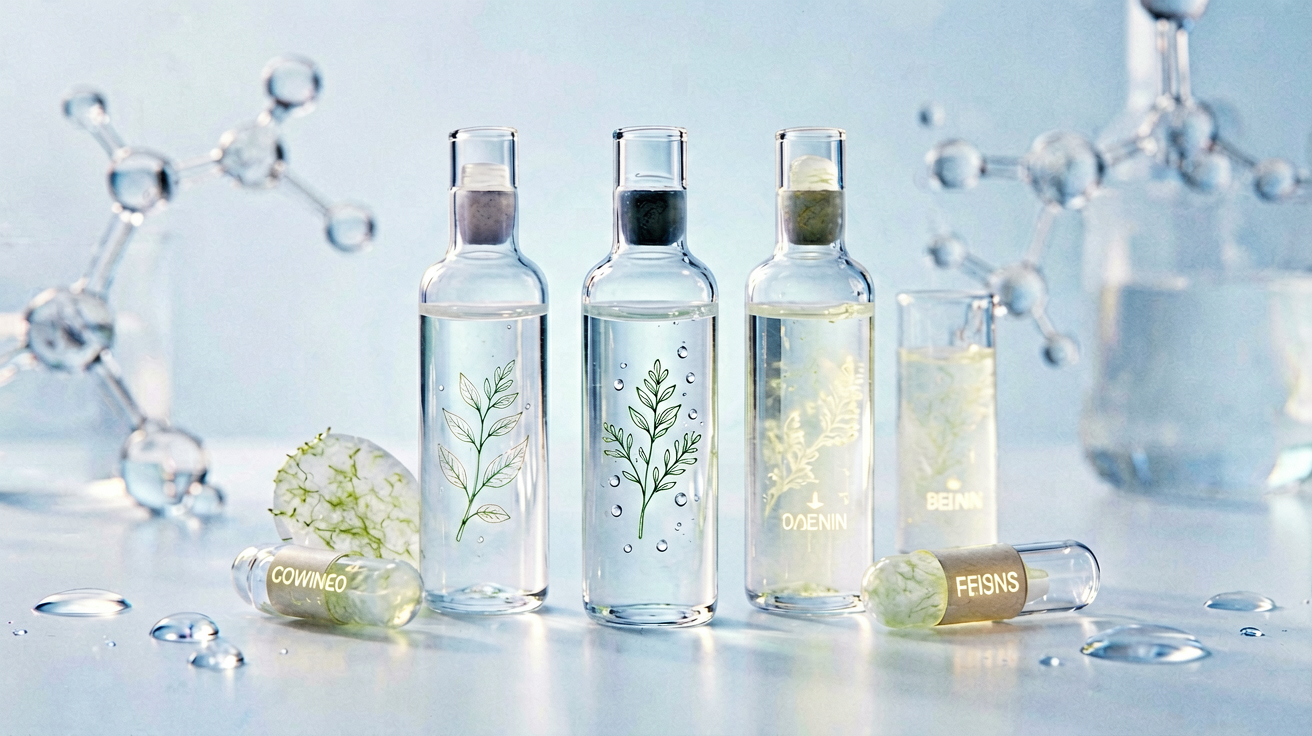
Across Southeast Asia’s rapidly expanding skincare market, one ingredient category is quietly outperforming conventional actives in both consumer preference surveys and clinical outcomes: fermented skincare ingredients. The K-beauty fermentation wave, which began in the early 2010s, has evolved from a niche aesthetic trend into a scientifically substantiated pillar of modern brightening and barrier-support formulations. In 2026, the intersection of microbiome science, fermentation biotechnology, and East Asian beauty tradition is generating compelling market data that no serious industry analyst can ignore.
What Fermentation Brings to Skincare: The Science
Fermentation in skincare is not merely a marketing label. It is a biotechnological process that fundamentally transforms raw botanical and marine extracts into more bioavailable, low-molecular-weight compounds that the dermis can absorb and utilize more efficiently. During fermentation, specific microbial strains — typically Lactobacillus, Bifidobacterium, and Saccharomyces species — metabolize the original substrate, generating secondary metabolites including organic acids, bioactive peptides, exopolysaccharides, and short-chain fatty acids. These metabolites possess distinct pharmacological properties that the original unfermented extract does not.
A landmark 2022 study published in the Journal of Cosmetic Dermatology demonstrated that fermented rice water (generated via Lactobacillus fermentation) exhibited 3.2-fold greater tyrosinase inhibitory activity compared to plain rice water extract at equivalent concentrations. The fermented product also showed measurable anti-inflammatory effects via NF-κB pathway suppression, a mechanism directly relevant to post-inflammatory hyperpigmentation — a primary concern in Southeast Asian consumers with melanin-rich skin types.
The fermentation process also reduces antigenicity. By breaking down large protein molecules into smaller peptide fragments, fermented ingredients present a significantly lower risk of sensitization or allergic response. For the SE Asian market, where consumers frequently layer multiple actives and where humid tropical climates create compromised barrier conditions, this improved tolerability profile is commercially significant.
Key Fermented Ingredients Driving the 2026 Market
Fermented Soybean Extract (Fermented Soy Isoflavones)
Fermented soybean extract, traditionally used in Japanese skincare and now a cornerstone of K-beauty brightening formulations, contains elevated concentrations of aglycone isoflavones (daidzein, genistein) following microbial conversion. These compounds act as mild phytoestrogens with demonstrated antioxidant and melanogenesis-inhibitory activity. A 2024 randomized controlled trial published in Skin Pharmacology and Physiology found that 0.5% fermented soybean extract applied twice daily for 12 weeks produced a statistically significant 23% reduction in melanin index (MI) in subjects with moderate melasma, with a side effect profile comparable to placebo.
Galactomyces Ferment Filtrate (GFF)
The fermentation filtrate of Galactomyces — the active component in the iconic SK-II Pitera — remains the most clinically studied fermented cosmetic ingredient. GFF is a complex mixture containing vitamins, amino acids, minerals, organic acids, and polyamines. Published research in Experimental Dermatology (2021) confirmed that GFF modulates skin pH, supports stratum corneum cohesion, and reduces transepidermal water loss (TEWL) by approximately 18% after 4 weeks of use. More recently, 2025 in vitro data presented at the IFSCC Congress demonstrated that GFF downregulates tyrosinase-related protein 2 (TYRP2/DCT) expression in melanocyte cultures, suggesting a direct brightening mechanism beyond mere barrier support.
Saccharomyces Ferment Filtrate (Bifidal)
A newer entrant with strong clinical backing, Saccharomyces ferment filtrate has demonstrated prebiotic and postbiotic effects that extend its utility beyond direct brightening. A 2024 double-blind study in International Journal of Cosmetic Science showed that a 5% Saccharomyces ferment filtrate serum reduced TEWL by 31% and improved skin radiance scores by 2.1 points (on a 10-point scale) over 8 weeks, compared to vehicle control.
Market Data: Southeast Asia in 2026
The fermented skincare segment in Southeast Asia is not a fringe category. Euromonitor’s 2026 Beauty Innovation Report estimates the regional fermented skincare market at USD 1.8 billion, representing a compound annual growth rate (CAGR) of 14.3% from 2022 to 2026 — more than double the growth rate of the overall skincare category in the same region. Thailand, Indonesia, and Vietnam lead adoption, driven by a combination of K-beauty cultural influence, rising disposable incomes, and a highly price-sensitive consumer base that finds fermented actives accessible at mid-tier price points.
Consumer survey data from Mintel’s 2026 Southeast Asian Beauty Survey (n=8,400) reveals that 67% of urban millennial and Gen-Z consumers in Thailand and Vietnam reported having tried at least one fermented skincare product, and 48% identified “fermented” or “probiotic” as a factor in their most recent skincare purchase decision. Notably, efficacy was the primary driver — not novelty. Among repeat purchasers, 71% cited visible improvement in skin texture and brightness within 4 weeks as their reason for repurchase.
Formulation Considerations for OEM Development
For brands developing fermented skincare products for the SE Asian market, several formulation parameters require careful attention. First, the pH of fermented filtrates typically ranges from 4.0 to 5.5, which is compatible with most water-based serum formulations but may require buffering when combined with high-concentration acids (niacinamide, azelaic acid). Second, fermented ingredients are inherently prone to microbial contamination and require robust preservation systems — a minimum of phenoxyethanol in combination with ethylhexylglycerin is recommended, with challenge testing mandatory for market compliance across Thailand (FDA Thailand) and Indonesia (BPOM).
Third, and most critically for brightening claims, brands must ensure that any efficacy marketing related to fermented ingredients for skin brightening is substantiated by in-house or third-party clinical data, as regulatory scrutiny of skin lightening claims is intensifying across the region. Singapore’s HSA, Thailand’s FDA, and Indonesia’s BPOM all require that products making brightening claims hold substantiated evidence — a requirement that fermented ingredient formulations can satisfy but must prepare for in advance.
Conclusion
The fermented skincare wave is not a passing trend driven by aesthetic novelty. It is a science-backed category supported by validated biotechnological processes, peer-reviewed clinical evidence, and robust consumer demand data from Southeast Asia’s fastest-growing beauty markets. For brands positioning in the melasma treatment and brightening space — particularly those targeting consumers with melanin-rich skin types in tropical climates — fermented actives offer a differentiated mechanism of action, a compelling consumer narrative, and a growing body of evidence that supports efficacy claims. The question for 2026 is no longer whether fermented ingredients belong in advanced skincare formulations, but which specific fermented actives will become standard in the next generation of brightening serums and barrier repair emulsions.
Interested in Formulation Data Collaboration?
Let's discuss how Melasyl AI can accelerate your next whitening or brightening formula. Technical collaboration, data licensing, or custom AI-driven research — reach out.
Contact Wei →