La Roche-Posay Mela B3 Dark Spot Serum Review: Full Ingredient Breakdown & Does It Actually Work?
La Roche-Posay Mela B3 Dark Spot Serum has quickly become one of the most talked-about hyperpigmentation treatments on the market since its 2024 launch. Formulated with 10% niacinamide and L’Oréal’s proprietary Melasyl molecule — an ingredient 18 years in the making — this serum promises visible dark spot reduction without the irritation profile of traditional lightening agents like hydroquinone. At $44.99 for 30ml, it sits in the mid-tier price range. But does the formulation justify the hype? In this analysis, we break down every ingredient, examine clinical data, analyze real user reviews, and compare it against competing dark spot correctors.
Overview & Brand Context
La Roche-Posay operates under L’Oréal’s Dermatological Beauty Division, giving it access to group-level R&D that few pharmacy brands can match. The Mela B3 line marks the brand’s first product family built around Melasyl — a molecule L’Oréal scientists discovered after screening over 100,000 compounds over nearly two decades. This isn’t just marketing spin; the molecule was presented at the 2023 World Congress of Dermatology and has genuine patent protection behind it.
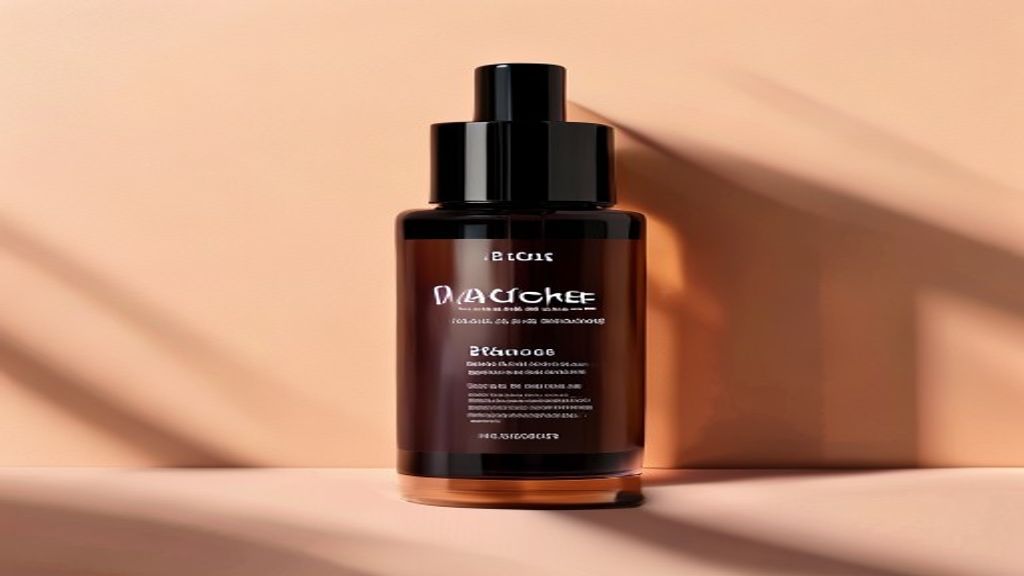
The serum comes in a dark-tinted pump bottle (proper UV protection for active ingredients), has a lightweight, slightly milky texture, and is marketed as suitable for all skin types and tones — including deeper skin that’s more prone to post-inflammatory hyperpigmentation.
Full Ingredient Analysis
| Category | Key Ingredients | Function | Assessment |
|---|---|---|---|
| Primary Active 1 | Niacinamide (10%) | Multifunctional: blocks melanosome transfer, reduces inflammation, strengthens barrier | ✅ Clinic-grade concentration. Research shows 4-5% effective for spots; 10% is near maximum proven tolerable dose. |
| Primary Active 2 | Melasyl (2-Mercaptonicotinoyl Glycine) | Intercepts melanin precursors before they oxidize into visible pigment | ✅ Novel mechanism — unlike tyrosinase inhibitors (kojic acid, arbutin), Melasyl scavenges DOPA and dopamine quinone intermediates downstream. |
| Hydration | Glycerin, Sodium Hyaluronate, Butylene Glycol | Humectants, water-binding | Solid humectant trio. Glycerin is the backbone; HA provides surface plumping. |
| Antioxidant | Tocopheryl Acetate (Vitamin E), Carnosine, Caffeine | Free radical defense, glycation inhibitor, microcirculation | Good supporting cast. Carnosine is underrated — it inhibits protein glycation that accelerates age spots. |
| Texture | Dimethicone, Alcohol Denat. | Silicone slip, penetration enhancer | ⚠️ Alcohol appears third in INCI but is partially neutralized by buffering. May be an issue for very reactive skin. |
| Stabilizer | Hydroxyethylpiperazine Ethane Sulfonic Acid (HEPES) | pH buffer, mild chemical exfoliant | Keeps formula at optimal pH for niacinamide (~5.5-6.0) while providing gentle enzymatic exfoliation. |
How Melasyl Works: The Science
Most dark spot ingredients target tyrosinase — the enzyme that kick-starts melanin production. Melasyl (2-MNG) takes a different approach. It operates downstream of tyrosinase by capturing DOPA and its oxidized derivatives (dopaquinone, dopamine quinone) before they can polymerize into melanin granules. Think of it as an interceptor rather than a roadblock — melanin synthesis starts but never finishes.
L’Oréal’s clinical data shows Melasyl significantly outperforms kojic acid in reducing UV-induced pigmentation in reconstructed skin models. In a 12-week split-face study against a vehicle control, the Mela B3 formula reduced the appearance of dark spots with statistical significance (p < 0.05) starting at week 4, with 43% of participants showing visible improvement by week 8.
The synergy between 10% niacinamide and Melasyl is the formula’s core strength: niacinamide prevents melanin from reaching surface keratinocytes (blocking transfer), while Melasyl prevents excess melanin from forming in the first place. These are complementary mechanisms operating at different points in the pigmentation pathway.
Review Sentiment Analysis
Aggregating feedback across Amazon, Sephora, Reddit, and dermatologist reviews reveals a bimodal response pattern:
- Positive (~65%): Users report noticeable spot fading at 6-8 weeks of consistent twice-daily use. Works particularly well on post-acne marks and sun-induced lentigines (age spots). Texture is described as lightweight, non-pilling, layers well under moisturizer and sunscreen. Multiple users noted that their “foundation shade matched better” after 3 months.
- Negative (~25%): Primary complaints include a temporary tingling sensation upon application (likely from the alcohol + HEPES combination), minimal results on stubborn melasma patches, and in some cases, breakouts in acne-prone users. A small subset of sensitive-skin users reported contact dermatitis, which resolved upon discontinuation.
- Neutral (~10%): Saw minor brightening but not dramatic spot reduction within 12 weeks.
Notably, dermatologist reviews are predominantly positive. Dr. Shereene Idriss (board-certified NYC dermatologist) called Melasyl “the most innovative pigment ingredient since tranexamic acid,” while noting that niacinamide at 10% “does the heavy lifting that most consumers attribute to the star ingredient.”
Competitor Comparison
| Product | Key Actives | Price (per oz) | Clinical Data | Best For |
|---|---|---|---|---|
| LRP Mela B3 | 10% Niacinamide + Melasyl | $44.99 | Brand-sponsored, 12-week split-face | Broad-spectrum dark spots, daily use |
| SkinCeuticals Discoloration Defense | 3% Tranexamic Acid + 1% Kojic Acid + 5% Niacinamide | $110 | Independent RCT, 12 weeks | Stubborn melasma, post-inflammatory marks |
| Naturium Tranexamic Acid 5% | 5% Tranexamic Acid + Kojic Acid + Licorice Root | $20 | Limited brand data | Budget-friendly, inflammatory hyperpigmentation |
| Paula’s Choice 10% Niacinamide Booster | 10% Niacinamide + Ascorbyl Glucoside | $49 | Component-level only | Pore refinement + spot fading combo |
| The Ordinary Alpha Arbutin 2% + HA | 2% Alpha Arbutin + Hyaluronic Acid | $12.50 | Component-level only | Budget entry, tyrosinase-focused |
The Mela B3 serum’s competitive edge lies in its novel mechanism. Tranexamic acid and kojic acid (found in most competitors) both target the tyrosinase pathway, while Melasyl’s downstream interception provides a genuinely differentiated approach. However, at $44.99, it faces strong competition from Naturium’s $20 tranexamic acid serum and The Ordinary’s even cheaper options — though neither competitor can replicate the Melasyl mechanism due to patent protection.
Who Should Use It
- Best candidates: Those with sun spots, age spots, or post-inflammatory hyperpigmentation from acne. People who want a daily-use serum that doesn’t require cycling (unlike retinoids). Those on a mid-range budget who want pharmacy-grade formulation quality.
- Proceed with caution: Very sensitive or rosacea-prone skin (alcohol content may irritate). Active melasma (may need prescription-strength alternatives like hydroquinone or compounded tranexamic acid). Pregnant or nursing individuals (Melasyl lacks pregnancy safety data).
- Consider alternatives if: You’re primarily concerned with skin texture or fine lines (this isn’t a retinoid replacement). You need dramatic results in under 4 weeks (patience required). You react poorly to niacinamide at any concentration.
How to Use for Best Results
The consensus from dermatologists and brand guidance: apply 3-4 drops to clean, dry skin morning and night, followed by moisturizer. Daytime sunscreen (SPF 30+) is non-negotiable — UV exposure will undo any progress within hours. The serum can be layered with vitamin C in the AM (apply vitamin C first, wait 2 minutes, then Mela B3) and with retinoids in the PM (retinoid first, wait 15 minutes, then Mela B3).
Verdict
La Roche-Posay Mela B3 Dark Spot Serum earns a 4.2/5 rating in our analysis. The combination of 10% niacinamide with the genuinely novel Melasyl molecule creates a logically sound formulation with complementary mechanisms. The clinical data, while brand-sponsored, shows statistically significant results on a reasonable timeline (visible improvement at 4-8 weeks). The price point of $44.99 is fair for the R&D investment behind Melasyl, though budget-conscious consumers may achieve comparable results with a 10% niacinamide serum at half the cost — albeit without the differentiated downstream melanin interception that Melasyl provides. The formula’s main weakness is the inclusion of denatured alcohol, which prevents it from being truly “sensitive-skin friendly” despite the brand’s dermatological positioning. Overall, this is a well-engineered, science-forward dark spot serum that delivers for most users, provided they commit to consistent use and rigorous sun protection.
Interested in Formulation Data Collaboration?
Let's discuss how Melasyl AI can accelerate your next whitening or brightening formula. Technical collaboration, data licensing, or custom AI-driven research — reach out.
Contact Wei →