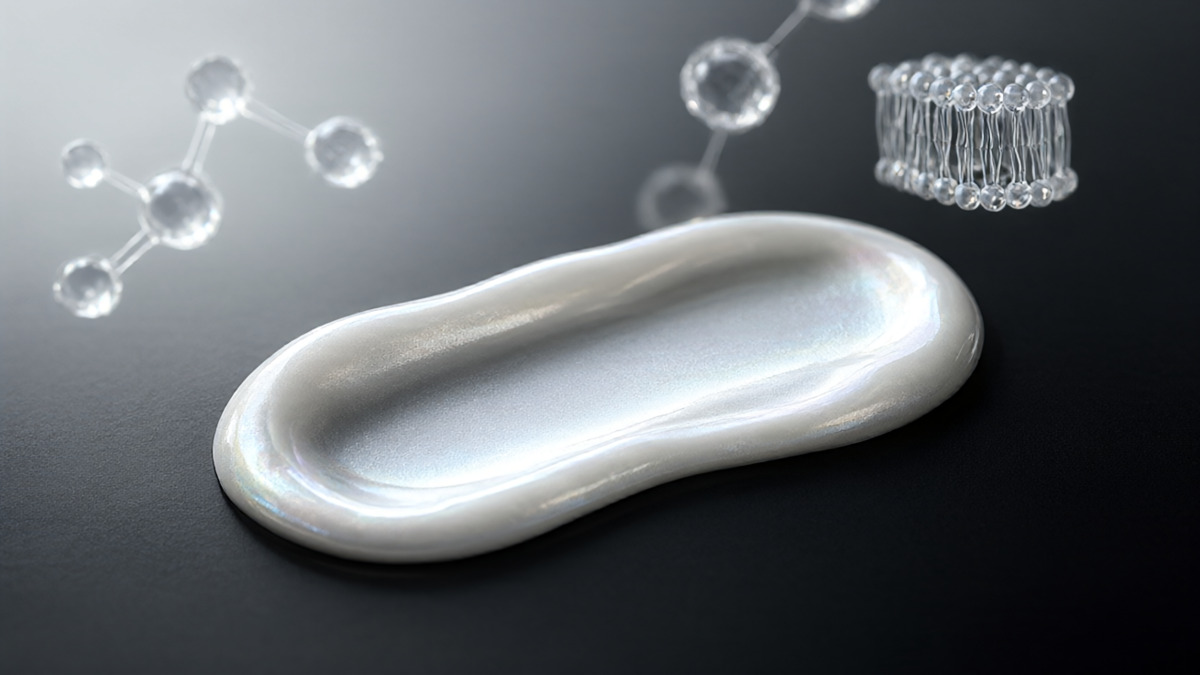
The Hidden Bottleneck in Tropical Hyperpigmentation
In the realm of cosmetic chemistry, we often focus on enzymatic activity. We obsess over the inhibition of tyrosinase, the rate-limiting enzyme in melanogenesis. However, for skin types prevalent in Southeast Asia and other high-UV index regions, this focus is a strategic misstep. The primary driver of persistent pigmentation is not just the quantity of melanin produced, but the structural integrity of the melanosome itself.
Recent dermatological studies suggest that in hyperpigmented skin, melanosomes are not merely bags of pigment but complex organelles with specific lipid-protein matrices. When this matrix is compromised, melanin aggregation increases, leading to the stubborn, deep-set pigmentation that resists standard treatment protocols.
Melanosome Architecture and Stability
Melanosomes are not static entities. They undergo a dynamic lifecycle. In healthy skin, they are transferred to keratinocytes and degraded. In hyperpigmentation, this process stalls. The organelle becomes rigid. This rigidity is caused by cross-linking of melanosomal proteins and a shift in lipid composition.
- Lipid Permeability: The membrane of the melanosome must remain semi-permeable to allow for the regulated release of melanin precursors. In tropical climates, where sebum production is higher, this lipid balance is easily disrupted.
- Protein Cross-Linking: Melanophilin and other structural proteins can undergo oxidative cross-linking, creating a ‘stiff’ melanosome that is difficult for the keratinocyte to digest.
“The efficacy of a brightening agent is determined by its ability to restore the fluidity of the melanosomal membrane, not just by halting enzymatic activity.”
Formulation Synergy: Disrupting the Matrix
To target this structural issue, we must look beyond simple antioxidants. We need agents that can disrupt the lipid-protein matrix without causing excessive inflammation. This is where the formulation science shifts.
| Active Ingredient | Mechanism of Action | Structural Impact |
|---|---|---|
| Ascorbyl Glucoside | Reduction of melanin intermediates | Softens lipid matrix |
| Niacinamide | Regulates vesicular transport | Prevents premature transfer |
| Resveratrol | Antioxidant stabilization | Prevents protein cross-linking |
The inclusion of Ascorbyl Glucoside is critical here. Unlike pure Vitamin C, which is unstable in tropical humidity, the glucoside form offers stability. More importantly, it reduces the intermediate melanin compounds, effectively ‘loosening’ the pigment within the melanosome.
The Role of Lipid Modulators
We are observing promising results with lipids that mimic the natural melanosomal membrane. By incorporating specific fatty acids into the formulation, we can mimic the native lipid environment. This ‘mimetic’ approach allows the active ingredients to penetrate the rigid organelle more effectively.
- Linoleic Acid: Increases membrane fluidity.
- Oleic Acid: Enhances penetration but must be balanced to avoid irritation.
By targeting the structural integrity of the melanosome, we create a more receptive environment for conventional brightening agents. This is the next frontier in dermatological science.
Conclusion
For the independent laboratory, the lesson is clear: We must look beyond the enzyme. We must look at the organelle. The future of brightening lies in structural modulation.
Interested in Formulation Data Collaboration?
Let's discuss how Melasyl AI can accelerate your next whitening or brightening formula. Technical collaboration, data licensing, or custom AI-driven research — reach out.
Contact Wei →