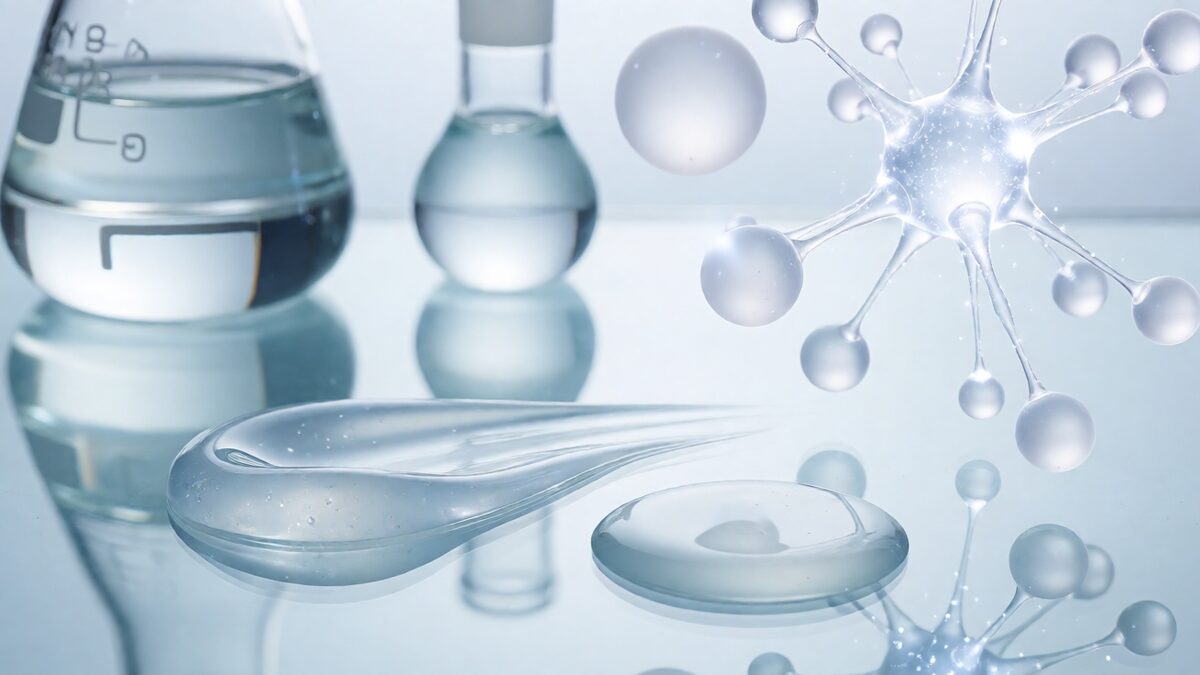
For two decades, skincare innovation was organized around a single question: what does this ingredient do to the skin? Neurocosmetics asks a different one — what does the skin tell the brain, and can a formula change that conversation? In 2026 the field stopped being a conference curiosity and acquired a formal scientific definition. A narrative review published in Cosmetics (MDPI) by Marano et al. (2026, 13(3):102) defines neurocosmetics as cosmetic products or formulation strategies “designed to interact with peripheral cutaneous neurosensory, neuroimmune, or neuroendocrine pathways that are biologically relevant to the skin–brain axis.” That definition matters, because it draws a regulatory line between plausible neurobiology and marketing fantasy.
Why the category is accelerating now
Three forces are converging. First, the science has matured: the skin–brain axis is no longer a metaphor but a mapped network of measurable pathways. Second, consumer demand has shifted from “anti-aging” toward “anti-stress” — stress-linked skin complaints are among the fastest-growing search categories in the sensitive-skin segment. Third, ingredient suppliers have launched dedicated neuropeptide and “neuro-calming” portfolios, giving formulators real tools rather than rhetorical ones. Searches for “skin-brain axis” and “psychodermatology” have climbed steadily since 2023, and clinical-trial registrations for topically applied neuromodulating peptides have grown sharply over the same period. Analyst estimates put the neurocosmetics-adjacent category in the low single-digit billions of US dollars, though the figure is soft because most trackers still file these products under anti-aging or sensitive-skin.
The biology: a bidirectional network, not a metaphor
The skin is the body’s largest neuroimmunoendocrine organ. Marano et al. describe four substrate systems that carry skin–brain signals: a cutaneous hypothalamic–pituitary–adrenal (HPA) axis, neuropeptides such as substance P and calcitonin gene-related peptide (CGRP), neurotrophins including nerve growth factor (NGF), transient receptor potential (TRP) channels — most notably TRPV1 — and the endocannabinoid system. Practically, this means a keratinocyte can mount a local cortisol response, and a sensory neuron can release substance P that drives mast-cell degranulation, neurogenic inflammation, and downstream barrier and pigmentary disruption.
The clinical implication is not that a moisturizer can treat anxiety. It is that stress-linked flares of rosacea, atopic dermatitis, acne, and melasma have a measurable peripheral mechanism that topical actives can plausibly modulate.
Where the evidence is strongest: neurotransmitter-inhibiting peptides
The most mature neurocosmetic technology is the neuromodulating peptide class, led by acetyl hexapeptide-8 (Argireline). It mimics the N-terminal domain of SNAP-25, destabilizing the SNARE complex and reducing acetylcholine release at the neuromuscular junction. The foundational study (Blanes-Mira et al., 2002, International Journal of Cosmetic Science 24(5):303–310) reported that a 10% emulsion reduced periorbital wrinkle depth by roughly 30% after 30 days of twice-daily use.
The most cited independent trial is a double-blind pilot at the US National Institute of Neurological Disorders and Stroke (Lungu et al., 2013). In 24 blepharospasm patients already receiving botulinum toxin every three months, topical acetyl hexapeptide-8 extended the interval to symptom return from 3.0 to 3.7 months; four of twelve active-arm patients stretched to between 3.3 and 7.1 months. The study was underpowered and not designed for cosmetic endpoints, but it remains one of the few placebo-controlled human datasets in the category.
| Study | Design | Key result |
|---|---|---|
| Blanes-Mira 2002 | 10% Argireline cream, 30 days | ~30% periorbital wrinkle-depth reduction |
| Lungu 2013 (NINDS) | Double-blind pilot, n=24 blepharospasm | Botox interval 3.0 → 3.7 months; 4/12 up to 7.1 months |
| Kraeling 2015 | In vitro permeation, 24 h | <0.2% crossed the stratum corneum |
That enthusiasm needs a caveat. Kraeling et al. (2015, Cutaneous and Ocular Toxicology 34(1):46–52) found that after 24 hours less than 0.2% of topically applied acetyl hexapeptide-8 crossed the stratum corneum, and 99.7% was removed by washing. A 2025 review in the International Journal of Molecular Sciences concluded that wrinkle-depth improvements are real but inconsistently significant, and appear more reliably in multi-ingredient formulas. Delivery — liposomal, inverse-micelle, or microneedle-assisted — is now the competitive battleground, not the peptide itself.
Sensory and emotional pathways
Beyond peptides, neurocosmetics covers sensorial strategy: texture, temperature, and olfactory cues that modulate perceived stress through peripheral mechanisms. A cooling TRPV1-modulating vehicle, a warming mask, or a fragrance with documented anxiolytic association all sit inside the framework. This is where the field is most commercially exposed. Marano et al. explicitly flag the “heterogeneity of study designs and outcome measures” and the “ethical considerations related to mood- and stress-related claims” as unresolved problems.
What this means for formulators and brands
- Anchor claims to mechanisms, not moods. Regulators in the EU and ASEAN treat “reduces stress” as a borderline medical claim. “Modulates cutaneous neuropeptide release” is defensible; “calms your mind” is not.
- Invest in delivery, not label volume. The penetration data make clear that the presence of a neuropeptide on an ingredient list proves nothing. Efficacy claims should be tied to a penetration study, not a concentration headline.
- Pair peripheral and central endpoints. The strongest 2026 studies measure both biophysical skin outcomes (TEWL, erythema, wrinkle depth) and validated psychological instruments such as the Perceived Stress Scale and DLQI. Products missing the second half of the dataset will struggle to substantiate neurocosmetic positioning.
Outlook
Neurocosmetics is following the arc of the microbiome category a decade ago: real biology, real consumer demand, and a regulatory definition that is arriving faster than the evidence base. The 2026 MDPI framework gives the field its first shared vocabulary. The brands that win the next 24 months will be those that treat the skin–brain axis as a formulation and testing problem — not a copywriting one.
References: Marano G. et al., Cosmetics 2026, 13(3), 102; Blanes-Mira C. et al., Int J Cosmet Sci 2002, 24(5):303–310; Lungu C. et al., NINDS pilot 2013; Kraeling M.E. et al., Cutan Ocul Toxicol 2015, 34(1):46–52.
Interested in Formulation Data Collaboration?
Let's discuss how Melasyl AI can accelerate your next whitening or brightening formula. Technical collaboration, data licensing, or custom AI-driven research — reach out.
Contact Wei →