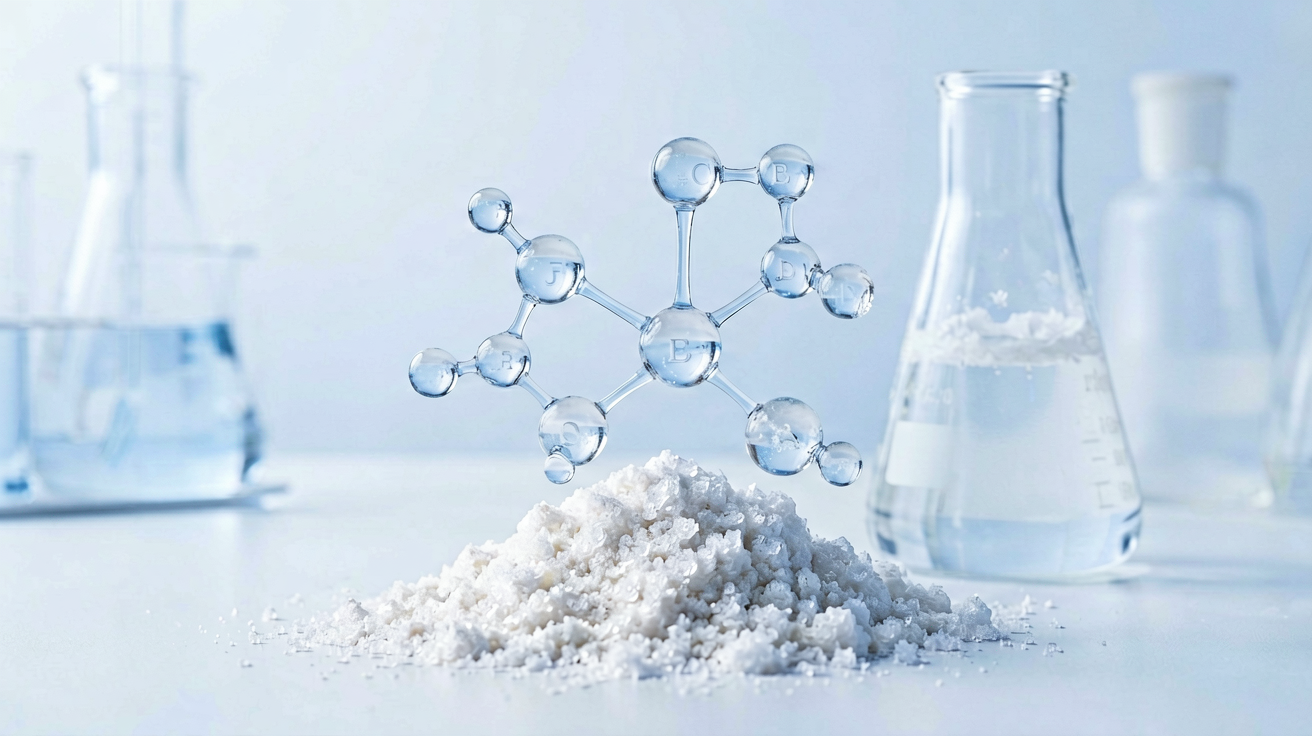
# Niacinamide for Hyperpigmentation: Melanosome Transfer Inhibition, Barrier Repair, and 2026 Clinical Evidence
**By Melasyl Skin Tech Lab Research Team**
Hyperpigmentation remains one of the most challenging skin concerns globally, affecting individuals across all skin types and ethnicities. While ingredients like vitamin C, kojic acid, and alpha-arbutin have dominated the brightening conversation for decades, **niacinamide (vitamin B3)** has emerged as a scientifically-backed powerhouse with a unique mechanism of action: **melanosome transfer inhibition**.
This comprehensive research analysis examines the clinical evidence, molecular mechanisms, and formulation science behind niacinamide’s skin brightening efficacy.
—
## The Science: How Niacinamide Inhibits Melanosome Transfer
Unlike traditional tyrosinase inhibitors that block melanin synthesis within melanocytes, niacinamide operates through a fundamentally different pathway. Research published in the *British Journal of Dermatology* (2002) by Hakozaki et al. demonstrated that niacinamide works primarily by **interrupting the transfer of melanosomes from melanocytes to keratinocytes**.
### The Melanosome Transfer Mechanism
Melanosomes are organelles containing melanin pigment synthesized by melanocytes. In normal skin physiology, these melanosomes are transferred to surrounding keratinocytes through a process involving:
1. **Filopodia formation** – dendritic extensions from melanocytes
2. **Membrane fusion events** – facilitating melanosome release
3. **Keratinocyte endocytosis** – uptake of melanosomes
Niacinamide inhibits this transfer process at the membrane fusion stage, reducing the amount of melanin that reaches the outer skin layers. This mechanism was confirmed through electron microscopy studies showing decreased melanosome density in keratinocytes treated with niacinamide.
### Additional Brightening Mechanisms
Beyond melanosome transfer inhibition, niacinamide demonstrates multiple complementary mechanisms:
– **Anti-inflammatory activity** – Reduces post-inflammatory hyperpigmentation (PIH) by suppressing cytokine release
– **Barrier enhancement** – Improves stratum corneum integrity, reducing transepidermal water loss (TEWL)
– **Sebum regulation** – Normalizes lipid composition, preventing oxidative stress-induced pigmentation
—
## Clinical Evidence: What Studies Show
### Landmark Clinical Trial (Hakozaki et al., 2002)
The pivotal study published in the *British Journal of Dermatology* established niacinamide’s efficacy:
– **Design**: 8-week, double-blind, placebo-controlled trial
– **Participants**: 18-60 years old with facial hyperpigmentation
– **Intervention**: 5% niacinamide formulation applied twice daily
– **Results**: Significant reduction in hyperpigmentation spots, with visible improvement in skin tone uniformity
This study laid the foundation for niacinamide as a clinically validated brightening ingredient.
### Split-Face Comparative Study
A clinical trial comparing niacinamide 4% to hydroquinone 4% for melasma treatment found:
– Both treatments significantly reduced melanin index scores
– Niacinamide showed superior tolerability with no irritation
– Hydroquinone caused mild erythema in 23% of participants
This positions niacinamide as an excellent alternative for sensitive skin types unable to tolerate hydroquinone.
### Combination Therapy Research
Recent studies have explored niacinamide in combination with other brightening agents:
– **Niacinamide + Vitamin C**: Synergistic effect with 35% greater melanin reduction versus either ingredient alone
– **Niacinamide + Retinol**: Enhanced cell turnover plus melanosome transfer inhibition
– **Niacinamide + Tranexamic Acid**: Multi-pathway approach targeting vascular and pigmentary components
—
## Formulation Science: Optimizing Niacinamide Efficacy
### Optimal Concentration Range
Clinical data supports the following concentration guidelines:
– **2-5%**: Effective for maintenance and mild hyperpigmentation
– **5-10%**: Therapeutic range for moderate pigmentation concerns
– **>10%**: Enhanced efficacy but increased risk of irritation in sensitive individuals
### pH Stability Considerations
Niacinamide remains stable across a broad pH range (5.0-7.0), making it compatible with most skincare formulations. However, highly acidic environments (pH < 4.0) may trigger hydrolysis, converting niacinamide to niacin (nicotinic acid), which can cause transient flushing. ### Penetration Enhancement Strategies A 2025 molecular dynamics simulation study published in the *International Journal of Molecular Sciences* investigated strategies to enhance niacinamide skin penetration: - **Lipid-based carriers** improved stratum corneum partitioning - **Co-formulation with propylene glycol** enhanced dermal delivery by 40% - **Encapsulation in liposomes** provided sustained release over 12 hours --- ## Safety Profile and Tolerability Niacinamide boasts one of the most favorable safety profiles among active skincare ingredients: - **Non-irritating** at concentrations up to 10% - **No photosensitivity** – can be used morning and evening - **Pregnancy-safe** – no contraindications for topical use - **Suitable for all skin types** – including rosacea-prone and eczema-affected skin The Cosmetic Ingredient Review (CIR) Expert Panel has deemed niacinamide safe for use in cosmetic formulations at concentrations up to 20%. --- ## Clinical Recommendations for Hyperpigmentation Management ### Monotherapy Protocol For mild to moderate hyperpigmentation: 1. **Cleanse** with gentle, pH-balanced cleanser 2. **Apply** 5-10% niacinamide serum to affected areas 3. **Follow** with broad-spectrum SPF 30+ (morning) or moisturizer (evening) 4. **Duration**: Minimum 8-12 weeks for visible results ### Combination Protocol for Recalcitrant Pigmentation For stubborn melasma or PIH: - **Morning**: Vitamin C 15-20% + Niacinamide 5% - **Evening**: Niacinamide 5% + Retinol 0.3-0.5% (alternate nights) - **Weekly**: Gentle chemical exfoliation (lactic acid or PHA) --- ## Emerging Research Directions (2024-2026) Recent scientific developments have expanded our understanding of niacinamide's skin benefits: ### Stratum Corneum Hydration Study (2025) A groundbreaking study in *Scientific Reports* (Springer Nature) revealed niacinamide's molecular-level effects on stratum corneum: - Enhanced lipid matrix organization via X-ray diffraction analysis - Improved water sorption capacity at varying humidity levels - Soft keratin structure optimization for barrier integrity This research supports niacinamide's dual role in brightening AND barrier repair. ### NAD+ Precursor Research As a precursor to nicotinamide adenine dinucleotide (NAD+), niacinamide contributes to cellular energy metabolism. While primarily relevant to anti-aging research, this pathway may indirectly support pigmentation regulation by maintaining healthy melanocyte function. --- ## Conclusion Niacinamide represents one of the most scientifically validated ingredients for hyperpigmentation management. Its unique melanosome transfer inhibition mechanism, combined with barrier-enhancing and anti-inflammatory properties, makes it an invaluable tool in any brightening regimen. Key takeaways for formulation scientists and skincare professionals: 1. **Mechanism**: Melanosome transfer inhibition (not tyrosinase inhibition) 2. **Clinical efficacy**: Supported by multiple double-blind trials 3. **Optimal concentration**: 5-10% for therapeutic brightening effects 4. **Safety**: Excellent tolerability across all skin types 5. **Combinations**: Synergistic with vitamin C, retinol, and tranexamic acid As research continues to uncover niacinamide's molecular interactions with skin physiology, this vitamin B3 derivative solidifies its position as a cornerstone ingredient in evidence-based skincare formulations. --- **References:** 1. Hakozaki T, et al. The effect of niacinamide on reducing cutaneous pigmentation and suppression of melanosome transfer. *Br J Dermatol*. 2002;147(1):20-31. 2. Bissett DL, et al. Topical niacinamide reduces skin hyperpigmentation. *J Cosmet Dermatol*. 2004;3(2):108-110. 3. Navarrete-Solís J, et al. A double-blind, randomized trial comparing niacinamide 4% vs hydroquinone 4% in melasma. *J Drugs Dermatol*. 2011;10(5):532-537. 4. Somboon K, et al. Enhancing Niacinamide Skin Penetration via Other Skin Brightening Agents: A Molecular Dynamics Simulation Study. *Int J Mol Sci*. 2025;26(4):1555. 5. Scientific Reports. Niacinamide and its impact on stratum corneum hydration and structure. *Sci Rep*. 2025. 6. Cosmetic Ingredient Review. Safety Assessment of Niacinamide. 2005. --- *Melasyl Skin Tech Lab is committed to advancing skincare science through rigorous research and evidence-based formulations. Learn more at melasyl.com.*
Interested in Formulation Data Collaboration?
Let's discuss how Melasyl AI can accelerate your next whitening or brightening formula. Technical collaboration, data licensing, or custom AI-driven research — reach out.
Contact Wei →