Why Niacinamide Fails in Tropical Formulations
In Southeast Asia, the interplay of high humidity, intense UV exposure, and melanin-rich skin creates a unique challenge for cosmetic chemists. While niacinamide (Vitamin B3) is the gold standard for brightening, its instability in certain pH ranges and temperatures leads to premature degradation. This guide dissects the chemistry of stability to ensure your active ingredient remains potent from bench to consumer.
The Chemistry of Degradation
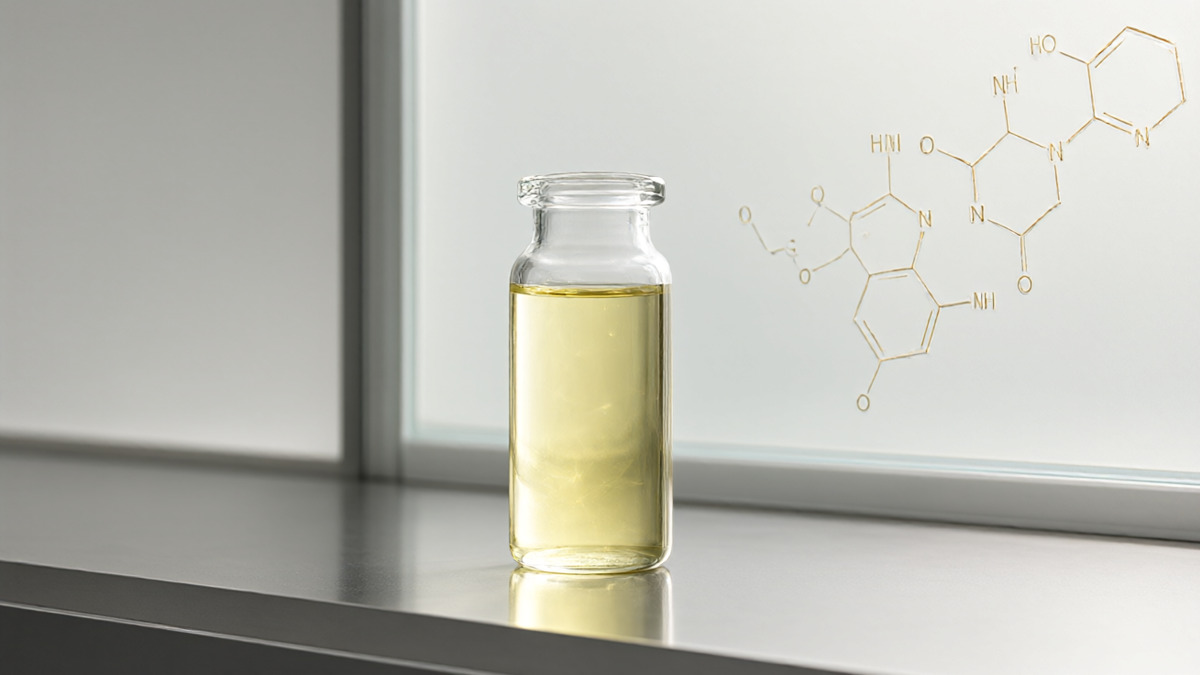
Niacinamide is a pyridine derivative that is highly sensitive to acidic environments. When the pH drops below 5.0, it begins to convert to nicotinic acid (niacin), which causes a characteristic yellow hue and a distinct odor. In tropical climates, where storage temperatures frequently exceed 25°C, this conversion accelerates. Furthermore, oxidation of the pyridine ring can lead to loss of efficacy. To maintain a stable product, you must master the balance between pH, temperature, and excipient selection.
Formulation Strategies for Stability
Stabilizing niacinamide requires a multi-layered approach. The first step is pH management. The optimal range for niacinamide stability is between 5.5 and 6.5. Using a buffering system is critical here. Citric acid alone is often insufficient; a combination of citric acid and a mild base, such as sodium hydroxide or potassium hydroxide, allows for precise titration. However, avoid using strong bases that can shift the pH too rapidly, causing localized precipitation.
Water Activity and Humidity Control
High humidity in SEA markets increases water activity, which can accelerate hydrolytic degradation. Incorporating humectants like glycerin or propylene glycol helps maintain a low water activity environment. However, avoid overly viscous thickeners that might trap heat during processing. Instead, use lightweight thickeners like carbomers or xanthan gum in minimal amounts to maintain a non-sticky texture.
Synergistic Formulation for Hyperpigmentation
Stability is only half the battle; efficacy is equally important. Niacinamide works by inhibiting the transfer of melanosomes from melanocytes to keratinocytes. To maximize this effect in the SEA context, where hyperpigmentation is often exacerbated by post-inflammatory hyperpigmentation (PIH), we recommend synergistic pairings.
- Niacinamide + Vitamin C: While they can be destabilizing in high concentrations, a low dose of Vitamin C (ascorbyl glucoside) can enhance antioxidant protection without compromising niacinamide stability.
- Niacinamide + Zinc: Zinc PCA helps regulate sebum production and adds anti-inflammatory benefits, crucial for PIH-prone skin.
- Niacinamide + Ceramides: Barrier repair is essential in tropical climates where frequent washing can disrupt the skin’s moisture barrier.
Clinical Concentration Guide
For most brightening applications, a concentration of 4% to 10% is optimal. Below 2%, the effect is negligible. Above 10%, irritation risk increases, particularly in sensitive skin types prevalent in the region. Start with a 5% concentration for a broader audience and titrate up to 10% for targeted treatments.
Stability Testing Protocol
To ensure your formulation is robust, conduct accelerated stability testing. Place samples at 40°C for 4 weeks. Monitor pH changes, color shifts (using a colorimeter), and odor. A stable formulation should show minimal pH drift and no visible yellowing. If yellowing occurs, reduce the concentration or increase the pH buffer capacity.
Pro Tip: Use a clear, colorless base. Any color in the base will mask early signs of niacinamide degradation. White or off-white bases can hide yellowing until it becomes severe.
Troubleshooting Common Issues
If your formulation turns yellow, check your pH first. If the pH is stable, consider adding an antioxidant like tocopherol (Vitamin E) to prevent oxidation. However, be cautious with Vitamin E, as it can be unstable in high concentrations. If your product becomes sticky, reduce the humectant load or switch to a lighter moisturizer base. If irritation occurs, lower the concentration or add soothing agents like allantoin or beta-glucan.
Conclusion
Stabilizing niacinamide for the Southeast Asian market requires a deep understanding of cosmetic chemistry. By controlling pH, water activity, and temperature, you can create a stable, effective product that delivers brightening results. Remember, the goal is not just to stabilize the ingredient but to enhance its synergy with other actives for maximum hyperpigmentation reduction.
Interested in Formulation Data Collaboration?
Let's discuss how Melasyl AI can accelerate your next whitening or brightening formula. Technical collaboration, data licensing, or custom AI-driven research — reach out.
Contact Wei →