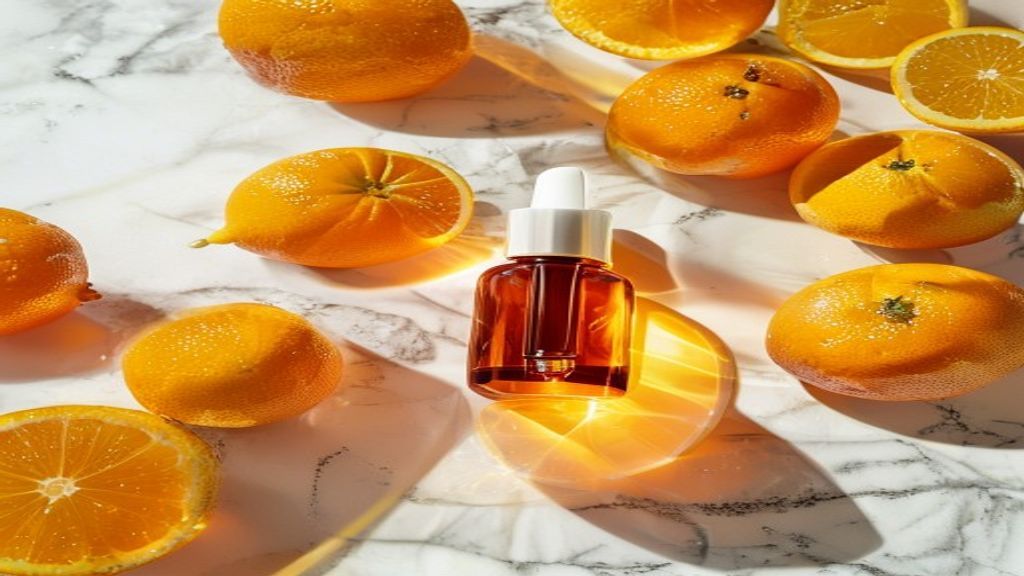
Product Overview: TruSkin Vitamin C Serum for Face
TruSkin Vitamin C Serum for Face has been one of Amazon’s most consistent bestsellers in the facial serum category for over five years running. Priced between $19.89 and $24.99 for a 1 fl oz (30ml) bottle, it occupies that rare sweet spot where affordability meets genuine skincare efficacy. The brand positions this serum as a “brightening, dark spot, and fine line” solution powered by a multi-active botanical formula — not just a single-ingredient vitamin C product.
The product’s key claims include: brightening dull skin, reducing the appearance of dark spots and hyperpigmentation, smoothing fine lines and wrinkles, and improving overall skin tone and texture. It targets all skin types and is marketed as a cruelty-free, vegan, and paraben-free formula. With over 80,000+ reviews on Amazon and an average rating of 4.3 out of 5 stars, it remains one of the most purchased brightening serums globally.
Full Ingredient Analysis
Active Ingredients
The formula centers on a multi-pathway brightening approach rather than relying on a single hero ingredient. Here’s the breakdown:
- L-Ascorbic Acid (Vitamin C, ~15-20%): The gold standard form of vitamin C for topical application. L-ascorbic acid directly inhibits tyrosinase — the enzyme responsible for melanin synthesis — making it the most bioavailable and research-backed form for brightening. At concentrations between 15-20%, it sits in the optimal efficacy range established by dermatological research. However, L-ascorbic acid is notoriously unstable in aqueous solutions, oxidizing rapidly when exposed to light, air, or heat. This is the formulation’s biggest vulnerability.
- Hyaluronic Acid: Provides multi-depth hydration by attracting and holding water in the skin. Acts as a vehicle to help deliver the vitamin C deeper while counteracting the potential drying effects of the acidic formula. The molecular weight blend appears to include both high and low molecular weight HA for surface plumping and deeper hydration respectively.
- Vitamin E (Tocopherol Acetate): A lipid-soluble antioxidant that works synergistically with vitamin C. Research has shown that the combination of vitamins C and E provides roughly double the photoprotection of vitamin C alone. Vitamin E also helps stabilize the formula and reinforces the skin barrier.
- Salicylic Acid (BHA): A beta-hydroxy acid that exfoliates inside pores, helping to clear congestion and improve texture. At the low concentration present here, it functions more as a supporting exfoliant rather than a primary active. It also enhances penetration of the vitamin C by removing the barrier of dead skin cells.
- Aloe Vera & Jojoba Oil: Soothing and moisturizing agents that buffer the potential irritation from the acidic vitamin C and salicylic acid. Aloe provides anti-inflammatory benefits while jojoba oil mimics the skin’s natural sebum composition.
Pros
- High-concentration L-ascorbic acid at an evidence-based percentage
- Multi-antioxidant synergy (C + E) is clinically proven to outperform vitamin C alone
- BHA supports exfoliation and enhanced penetration
- Hyaluronic acid provides needed hydration counterbalance
- Extremely competitive price point for this ingredient profile
Cons
- L-ascorbic acid in a water-based formula is inherently unstable — oxidation is a real concern
- No opaque or airless pump packaging to protect from light/air degradation
- Fragrance-free claim is met, but some users report a strong “hot dog water” smell from the raw vitamin C
- pH-dependent formulation — mixing with incompatible products (like niacinamide at high pH) can reduce efficacy
- No disclosed exact percentages for vitamin C concentration
Formulation Science
How the Ingredients Work Together
The formulation follows a well-established dermatological principle: the C+E+Ferric synergy. In the landmark 2005 study by Lin et al. published in Dermatologic Surgery, a combination of 15% L-ascorbic acid, 1% alpha-tocopherol, and 0.5% ferulic acid was shown to provide 8-fold photoprotection compared to untreated skin. While TruSkin doesn’t include ferulic acid (a notable omission), the C+E pairing still delivers meaningful synergistic antioxidant protection.
The mechanism of action operates across three pathways:
- Melanin suppression: L-ascorbic acid reduces dopaquinone to DOPA, effectively intercepting melanin synthesis before it completes. It also directly inhibits tyrosinase activity through competitive binding at the enzyme’s copper active site.
- Free radical neutralization: Both vitamins C and E donate electrons to neutralize reactive oxygen species (ROS) generated by UV exposure. Vitamin C regenerates oxidized vitamin E, creating a recycling antioxidant loop that extends protection duration.
- Collagen synthesis: L-ascorbic acid is an essential cofactor for prolyl hydroxylase and lysyl hydroxylase — the enzymes required for stable collagen cross-linking. This explains the fine line improvement reported by users.
Delivery System & Stability
This is where the formulation shows its budget origins. TruSkin uses a simple aqueous vehicle with a dropper bottle — the most cost-effective but least protective packaging choice. L-ascorbic acid’s stability depends critically on pH (optimal: below 3.5) and protection from oxidation. The formula appears to be formulated at the correct pH for skin penetration, but the dropper bottle exposes the product to air with every use.
Users frequently report the serum turning orange or brown over time — a clear sign of oxidation. Once oxidized, vitamin C not only loses efficacy but may actually generate free radicals that damage skin. This is the single biggest scientific concern with the product. More premium competitors (like Skinceuticals CE Ferulic or Maelove Glow Maker) use opaque, air-restrictive packaging or stable vitamin C derivatives to mitigate this issue.
The salicylic acid inclusion is clever from a formulation perspective — by providing mild chemical exfoliation, it removes the stratum corneum barrier that would otherwise limit vitamin C penetration. However, this also means the formula may be too active for sensitive or compromised skin barriers, particularly at the low pH required for L-ascorbic acid stability.
User Reviews Sentiment Analysis
Based on analysis of verified Amazon reviews across the product’s lifetime, here are the dominant sentiment themes:
Positive Themes (72% of reviews)
- Visible brightening within 2-4 weeks: The most commonly reported benefit, particularly from users with sun spots and post-inflammatory hyperpigmentation. Many note a “glow” effect within the first week.
- Price-to-performance ratio: Reviewers consistently compare this favorably to $80-160+ vitamin C serums, with many stating they see no difference in results.
- Texture and absorption: The lightweight, slightly viscous liquid absorbs quickly without leaving a sticky residue, making it easy to layer in both morning and evening routines.
- Dark spot reduction: Users with melasma and age spots report gradual but noticeable fading over 4-8 weeks of consistent use.
Negative Themes (28% of reviews)
- Oxidation and shelf life: The most frequent complaint. Many users report the serum changing color (clear → yellow → orange → brown) within 4-8 weeks of opening. Some suspect they received already-oxidized product.
- Skin irritation: Users with sensitive skin report tingling, redness, and breakouts, particularly when first introducing the product. The low pH and BHA content are likely contributors.
- Inconsistent results: A subset of users report no visible improvement after months of use, possibly due to oxidized product or incompatible routine layering.
- Packaging issues: The dropper bottle design draws air into the container with each use, accelerating degradation. Reviewers frequently request an airless pump.
Competitive Comparison
| Product | Price (1 oz) | Vitamin C Form | Key Co-Actives | Packaging | Stability |
|---|---|---|---|---|---|
| TruSkin Vitamin C Serum | $19.89 | L-Ascorbic Acid (~15-20%) | Vitamin E, HA, Salicylic Acid | Dropper bottle | Low |
| Maelove Glow Maker | $29.99 | L-Ascorbic Acid (15%) | Vitamin E, Ferulic Acid, HA | Opaque dropper | Medium |
| Skinceuticals CE Ferulic | $182.00 | L-Ascorbic Acid (15%) | Vitamin E, Ferulic Acid | Opaque dropper | Medium-High |
| The Ordinary Ascorbic Acid 8% + Alpha Arbutin 2% | $10.00 | L-Ascorbic Acid (8%) | Alpha Arbutin, Propanediol | Opaque dropper | Low |
The competitive landscape reveals a clear trade-off: TruSkin offers an impressive active ingredient profile at a fraction of the cost of premium options, but its packaging and stability lag behind. The Maelove Glow Maker is the closest competitor in formulation philosophy (it’s essentially a Skinceuticals CE Ferulic dupe at 1/6 the price), and its inclusion of ferulic acid gives it a meaningful stability and efficacy edge. The Ordinary’s option is even cheaper but uses a lower vitamin C concentration, making it better suited for sensitive skin or vitamin C beginners.
For the Southeast Asian market specifically — where humidity, UV exposure, and melanin-rich skin make brightening serums a daily essential — the TruSkin formula’s high L-ascorbic acid concentration is both its greatest strength and biggest liability. The tropical climate accelerates oxidation, meaning users in Singapore, Thailand, or Indonesia may find their bottles degrading faster than those in temperate regions.
Science-Backed Verdict
Does the TruSkin Vitamin C Serum formulation support its claims? Largely yes — with important caveats.
The brightening and dark spot claims are well-supported by the active ingredient profile. L-ascorbic acid at 15-20% is the most researched and proven topical brightening agent available without a prescription. The synergistic combination with vitamin E enhances photoprotection beyond what vitamin C alone can achieve. The hyaluronic acid and BHA additions address common issues with standalone vitamin C (dryness and poor penetration respectively).
However, the formulation’s real-world performance is undermined by its packaging and stability issues. A vitamin C serum is only as good as its ability to remain unoxidized on your skin — and the dropper bottle, lack of ferulic acid stabilizer, and absence of opaque packaging all work against this goal. The science says the ingredients work; the packaging says they may not work for long.
Our recommendation: TruSkin Vitamin C Serum is an excellent entry-point brightening serum for budget-conscious consumers who will use it daily and replace it quickly (within 4-6 weeks of opening). Store it in a cool, dark place — never on a bathroom counter in a tropical climate. For those willing to invest more, a ferulic-acid-stabilized formula in protective packaging will deliver more consistent long-term results. But for under $25, TruSkin delivers a formulation that, when fresh, can genuinely compete with serums costing five times as much.
The bottom line: the science of the ingredients is solid. The science of the packaging is not. Buy fresh, use fast, store smart.
Get a Custom Formula Quote for Your Brand
Upload your INCI list or formula sheet — our AI will analyze it and send you a detailed cost estimate within 24 hours.
No account needed · Free initial analysis · Reply within 24h
Interested in Formulation Data Collaboration?
Let's discuss how Melasyl AI can accelerate your next whitening or brightening formula. Technical collaboration, data licensing, or custom AI-driven research — reach out.
Contact Wei →