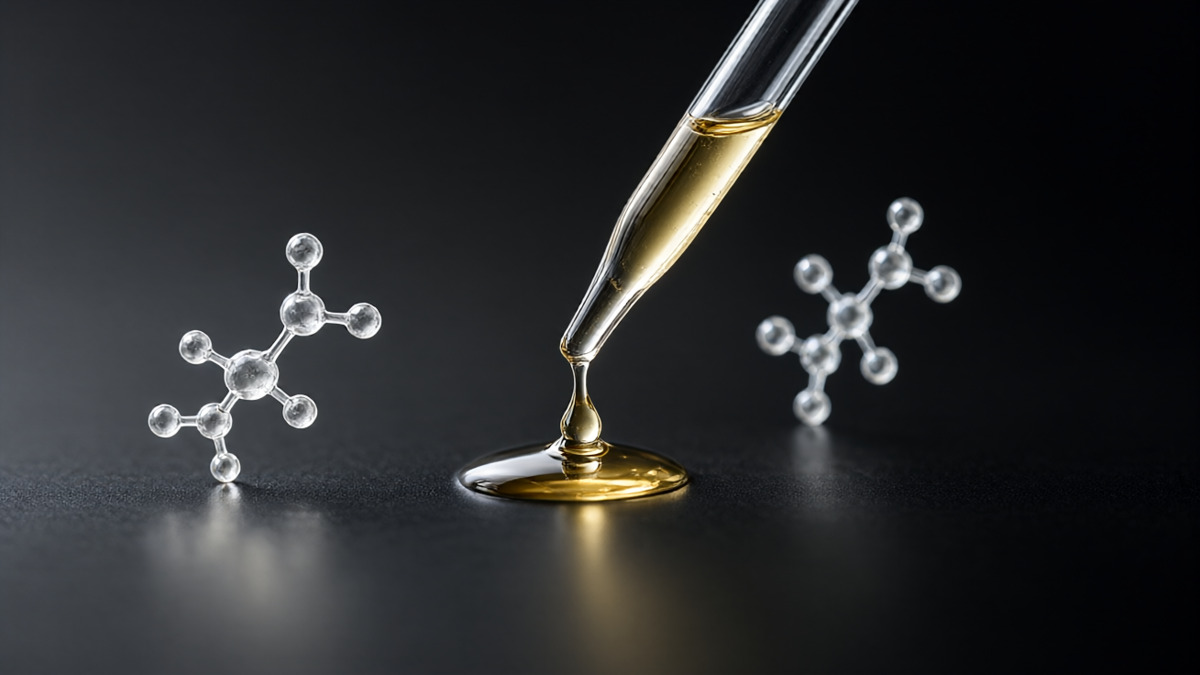
In the realm of dermatological aesthetics, the battle against hyperpigmentation is rarely won by a single molecule. It is a complex interplay of enzymatic kinetics, cellular signaling, and formulation stability. At Melasyl Skin Tech Lab, we dissect the molecular pathways that govern melanogenesis to understand why certain brightening agents fail in high-humidity environments or fail to penetrate the stratum corneum effectively.
The Enzymatic Bottleneck: Understanding Tyrosinase
At the core of melanin synthesis lies tyrosinase, the rate-limiting enzyme responsible for the oxidation of tyrosine to L-dopaquinone. This enzyme is a copper-containing oxidase found within melanocytes. For a brightening agent to be effective, it must either inhibit the enzyme’s activity, prevent its expression, or scavenge the reactive intermediates before they polymerize into melanin.
Traditional approaches often focus on generic inhibition, but modern formulation science looks at the kinetics of this inhibition. Does the active compete with tyrosine for the active site (competitive inhibition)? Or does it alter the enzyme’s structure (allosteric modulation)?
Formulation Synergy: The Multi-Target Approach
No single active can address all facets of melanogenesis. Therefore, sophisticated formulations utilize synergistic actives. Below is a breakdown of how different classes of agents interact with the melanogenic cascade:
- Alpha Arbutin: A stable derivative of hydroquinone that inhibits tyrosinase without the risk of exogenous ochronosis. It is highly effective in acidic pH environments, making it ideal for pre-serum layers.
- Tranexamic Acid: Targets plasmin and urokinase-type plasminogen activator (uPA), reducing the transfer of melanin to keratinocytes. It is crucial for melasma, where inflammation plays a significant role.
- Ascorbyl Glucoside: A stable derivative of vitamin C that reduces melanin production by inhibiting tyrosinase and scavenging free radicals. Its stability is paramount, as oxidation leads to loss of efficacy.
Stability in Tropical Humidity: The SEA Context
In Southeast Asian climates, high humidity and heat accelerate the degradation of unstable actives. Formulators must consider the microclimate of the skin. When tranexamic acid is paired with niacinamide, the latter enhances penetration while stabilizing the barrier, ensuring that the former reaches the basal layer effectively.
Furthermore, the choice of vehicle matters. Gel-based serums are often preferred over emulsions for brightening agents because they minimize the occlusion effect that can trap heat and exacerbate inflammation in tropical climates.
The Role of Penetration Enhancers
Many brightening agents have poor bioavailability due to their molecular weight or polarity. Penetration enhancers like sodium hyaluronate and lipid-based carriers help shuttle these actives deeper into the epidermis. This is where the science of cosmetic chemistry meets dermatology: the active must remain stable until it reaches the melanocyte, not just sit on the surface.
“Efficacy is not defined by concentration alone, but by the delivery system’s ability to maintain the active’s integrity in a hostile microenvironment.”
Conclusion: The Future of Brightening Science
The future of hyperpigmentation treatment lies in precision formulation. It is not about stacking the highest concentrations of actives, but about creating a harmonious ecosystem where each ingredient supports the other’s stability and efficacy. By understanding the biochemical pathways of melanogenesis, we can move beyond anecdotal evidence to scientifically validated results.
Interested in Formulation Data Collaboration?
Let's discuss how Melasyl AI can accelerate your next whitening or brightening formula. Technical collaboration, data licensing, or custom AI-driven research — reach out.
Contact Wei →