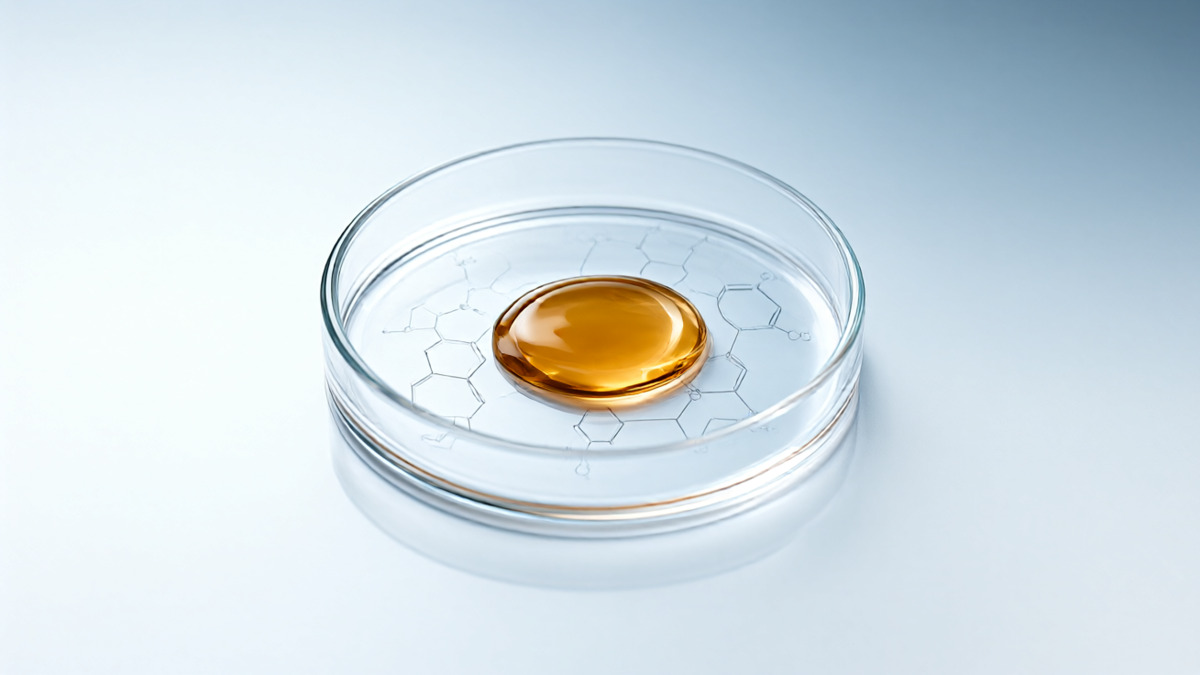
In the realm of cosmetic chemistry, the battle against melasma is not merely about brightness; it is a precise war against enzymatic kinetics. While Vitamin C is often the headline act, the true determinant of success in hyperpigmentation pathways lies in the molecular architecture of tyrosinase inhibitors and their formulation stability.
The Enzymatic Bottleneck: Tyrosinase Kinetics
Melasma is driven by the overactivity of melanocytes, specifically the enzyme tyrosinase. This copper-dependent enzyme catalyzes the hydroxylation of tyrosine to L-tyrosine. To understand why some formulations fail while others succeed, one must look at the active site. The enzyme requires two copper ions (CuA and CuB) to function. A robust brightening agent must either occupy these sites or alter the electron density of the substrate.
The Chelation Challenge: Many standard antioxidants fail because they cannot effectively chelate copper ions under physiological pH. Formulation scientists must choose inhibitors that offer a kinetic advantage over endogenous substrates.
Structural Isomerism: The L-Dopa Dilemma
The efficacy of hydroquinone and its analogs is heavily dependent on stereochemistry. The L-isomer is the biological key that fits into the enzyme’s active site. The D-isomer, however, is often inert. In a global context, particularly in Southeast Asian markets where humidity accelerates oxidative degradation, the stability of the L-isomer is paramount.
The Role of Formulation Synergy
- Penetration Enhancers: Lipid-soluble vehicles are necessary to push hydrophilic inhibitors into the epidermis.
- Antioxidant Shielding: Preventing the oxidation of the active molecule is a primary challenge.
- pH Optimization: Tyrosinase activity peaks at specific pH levels; formulation buffers must neutralize this without destabilizing the active.
Comparative Efficacy of Tyrosinase Inhibitors
| Inhibitor | Mechanism | Stability Challenge | Synergy Partner |
|---|---|---|---|
| Kojic Acid | Reversible Inhibition | pH Sensitivity | Ascorbyl Phosphate |
| Arbutin | Competitive Binding | Low Stability | Niacinamide |
| 4-Butylresorcinol | Non-Copper Dependent | High Stability | Encapsulated Vitamin C |
The Melanin Pathway: A Formulator’s View
“A brightening serum is not a single ingredient; it is a kinetic shield against enzymatic overdrive. The goal is not to stop melanin, but to slow its production to match the skin’s turnover rate.”
In the SEA context, where UV exposure is high and skin tones are more prone to post-inflammatory hyperpigmentation (PIH), the choice of inhibitor must be gentle yet potent. 4-Butylresorcinol has emerged as a favorite because it does not rely on copper ion displacement, making it less prone to irritation and more stable in tropical climates.
Future Directions in Melanin Suppression
Next-generation brightening agents are moving toward peptide-based inhibitors that mimic the natural structure of tyrosine. These peptides offer a “lock-and-key” fit that is highly selective, reducing the risk of side effects associated with older, more aggressive inhibitors.
Ultimately, the science of melasma treatment is a dance between chemistry and biology. By understanding the molecular motifs of tyrosinase, we can craft formulations that are not just bright, but scientifically precise.
Interested in Formulation Data Collaboration?
Let's discuss how Melasyl AI can accelerate your next whitening or brightening formula. Technical collaboration, data licensing, or custom AI-driven research — reach out.
Contact Wei →