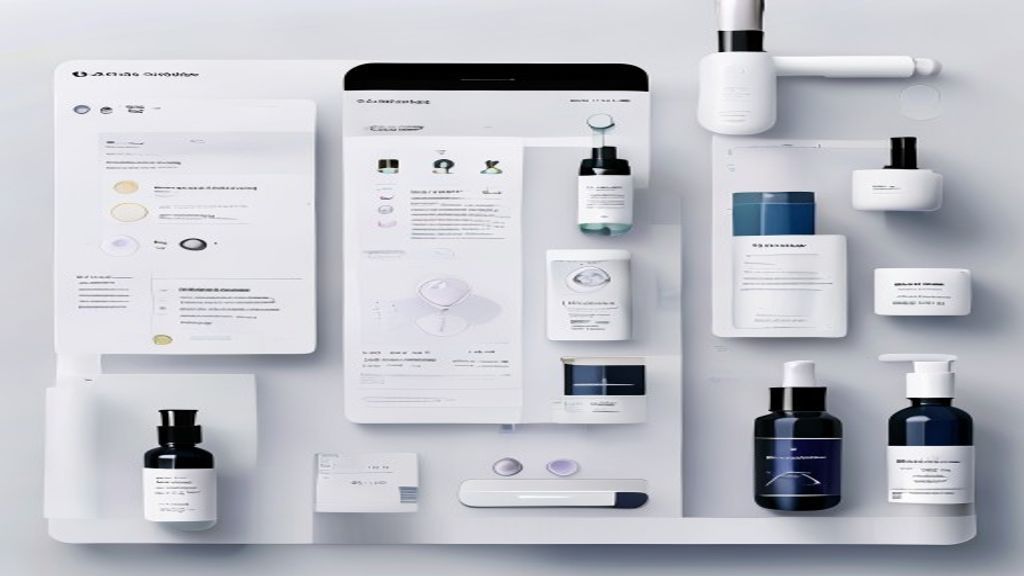
Why AI Matters for Cosmetic Chemists
Formulation is equal parts art and science — but the science part generates an overwhelming amount of data. Ingredient databases, safety dossiers, regulatory indexes, patch test libraries, compatibility matrices… the cognitive load adds up quickly. AI tools won’t replace a trained cosmetic chemist, but they can dramatically reduce the time spent on literature review, ingredient screening, and early-stage concept generation.
Tool 1: ChatGPT (GPT-5.4) — The Daily Workhorse
OpenAI’s GPT-5.4 (rolled out March 2026) is currently the most capable general-purpose model for formulation support. Here’s what it can actually do reliably in a cosmetic lab context:
① Ingredient Function Lookup & Comparison
ChatGPT excels at retrieving structured ingredient data from its training corpus. Example prompt:
Compare niacinamide vs. n-acetyl glucosamine for tyrosinase inhibition.
Include: mechanism of action, typical concentration range, pH stability,
known incompatibilities, and clinical evidence quality (rating A/B/C).
Output as a comparison table.
The model returns a structured table with mechanism, concentration, pH notes, incompatibilities, and evidence rating. Always cross-check concentrations against your supplier’s technical data sheet — the model guesses typical ranges, not exact formulary limits.
② Formula Concept Drafting
Use ChatGPT to generate a starting formula skeleton given constraints:
Generate a serum formula concept for dark spot reduction.
Constraints:
- Target pH: 5.5–6.0
- Avoid: hydroquinone, retinol (irritation concern)
- Include: niacinamide, tranexamic acid, antioxidant
- Texture: light serum, non-sticky
- Preservative system: paraben-free

Output: phase diagram (A/B/C), approximate %, key processing notes.
The output is a draft — not a finished formula. You still need to run stability, challenge test, and adjust pH/incompatibilities. But it saves 1–2 hours of initial literature gathering.
③ Regulatory Quick-Check
GPT-5.4 is useful for cross-referencing ingredient status across regions (EU, US, China NMPA, ASEAN). It won’t replace a regulatory consultant, but it’s a fast first-pass filter:
Is "tranexamic acid" approved for cosmetic use in:
1. EU (Annex III/IV)?
2. China NMPA (Inventory of Existing Cosmetic Ingredients)?
3. ASEAN (ASEAN Cosmetic Directive)?

For each, state: approved yes/no, max concentration, and warning labels required.
Tool 2: DeepSeek-R2 — The Budget Alternative
DeepSeek-R2 (released early 2026) is competitive with GPT-5.4 on reasoning tasks and is free for reasonable daily usage. It’s particularly strong at:
- Chemical naming & INCI cross-reference: Give it a trade name, it returns INCI, CAS number, and typical supplier.
- Calculation assistance: Batch size scaling, HLB calculation, molarity conversions — tasks that are tedious in Excel.
- Chinese-language technical documents: DeepSeek handles Chinese regulatory documents (NMPA announcements, GB standards) better than English-centric models.
Tool 3: Perplexity Pro — Verified Source Search
Unlike ChatGPT (which may hallucinate citations), Perplexity Pro always attaches real, clickable sources. Use it when you need to verify a claim:
- “What is the latest clinical evidence on niacinamide 5% for melasma? (include links to PubMed)”
- “Summarize the 2025 SCCS opinion on
“
The key advantage: every statement has a source link. You can click through to the primary document and verify.
Prompt Engineering Tips for Cosmetic Scientists
The quality of AI output depends heavily on prompt structure. Here are three patterns that work reliably:
Pattern 1: Constrained Output Format
Always specify the output format. “Give me a comparison” is vague; “Output a Markdown table with columns: Ingredient | Mechanism | Typical % | pH Range | Evidence Rating” is precise and saves reformatting time.
Pattern 2: Step-by-Step Reasoning
For complex formulation questions, force the model to show its reasoning:
Step through the HLB calculation for an O/W cream with:
- Oil phase: 20% (IPM 20%, squalane 10%)
- Emulsifier: Polysorbate 80 (HLB 15)

Show each calculation step. Then recommend the co-emulsifier (HLB 5)
required to reach target HLB 10.
Pattern 3: Role Assignment
Assigning a role improves technical accuracy:
You are a cosmetic chemist with 15 years of experience in skin
depigmentation formulations. Review the following ingredient list for
incompatibilities and suggest optimizations:
[paste your formula here]
What AI Cannot Do (Important Limits)
- Safety assessment: AI cannot replace a certified toxicologist. Always validate safety with proper in vitro/in vivo data.
- Novel ingredient discovery: AI can suggest known ingredients from its training data, but it cannot invent a new molecule with unknown properties.
- Stability prediction: AI can hint at incompatibilities, but only actual centrifuge and heat/cool cycle testing proves stability.
- Regulatory filing: AI output is not evidence. Regulatory submissions require primary-source documentation.
Recommended Workflow: AI + Human Review
- Concept generation: ChatGPT → draft formula concept
- Source verification: Perplexity Pro → verify key claims with real sources
- Chinese regulatory check: DeepSeek-R2 → cross-check against NMPA IECIC inventory
- Human review: Cosmetic chemist reviews, adjusts, pilots in lab
- Testing: Stability, challenge test, patch test — no shortcuts
Further Reading
- Cosmetics & Toiletries — AI in Formulation Series
- Society of Cosmetic Chemists (SCC) — AI Tools Webinar 2026
- Perplexity Pro — Verified Source Search
Disclaimer: AI-generated formula concepts are for reference only. Always validate with experimental data and regulatory review before commercialization.
Interested in Formulation Data Collaboration?
Let's discuss how Melasyl AI can accelerate your next whitening or brightening formula. Technical collaboration, data licensing, or custom AI-driven research — reach out.
Contact Wei →