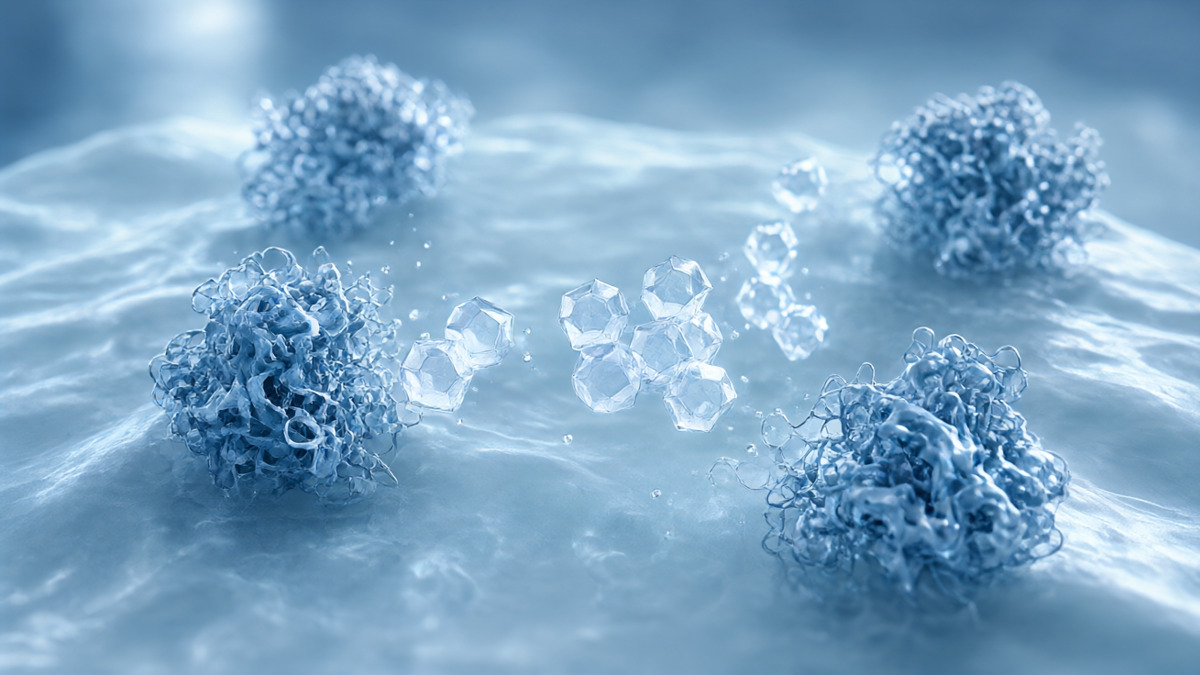
Decoupling Tyrosinase Substrate Kinetics from Epidermal Melanogenesis
The primary biochemical challenge in hyperpigmentation management lies in the enzymatic conversion of L-tyrosine to L-dopaquinone, catalyzed by tyrosinase within melanosome organelles. Traditional inhibition strategies focus on blocking the enzyme’s copper-binding site, yet this often fails to account for the rapid oxidation kinetics of the substrate itself. In high-humidity environments, the dermal microclimate accelerates the auto-oxidation of hydroquinone, shifting the equilibrium from monomeric active species to inactive dimers before sufficient melanocyte penetration occurs.
Conversely, precursor interception strategies involve modulating the local pH and redox potential at the stratum corneum interface to slow the rate of dimerization. By understanding that hydroquinone acts as a competitive inhibitor of tyrosinase, we can design formulations that maintain a high concentration of free phenolic groups. This kinetic buffer ensures that the molecule remains bioavailable long enough to penetrate the epidermal layers and exert its inhibitory effect on the melanogenic pathway.
Multi-Active Molecular Ratios & Receptor Complementarity
To achieve optimal clinical outcomes, the formulation must balance the stability of the primary active with the synergistic effects of complementary agents. The following matrix outlines the critical parameters for a high-efficacy depigmenting complex.
| Active Ingredient | Biochemical Target | Clinical Conc. (%) | Optimal pH | Synergistic Advantage |
|---|---|---|---|---|
| Hydroquinone | Tyrosinase (Tyrosine Hydroxylase) | 2.0 – 4.0 | 5.5 – 6.5 | Direct competitive inhibition |
| Vitamin C (Ascorbic Acid) | Free Radical Scavenging | 10 – 20 | 3.5 – 4.5 | Reduces oxidized hydroquinone back to active state |
| Niacinamide | Melanosome Transport (FTO3) | 4 – 5 | 5.5 – 7.0 | Reduces melanin transfer to keratinocytes |
The pH window is critical for maintaining the ionization state of hydroquinone. At lower pH levels, the molecule becomes more lipophilic, enhancing penetration but increasing the risk of irritation. Ascorbic acid, while effective as a reductant, is highly unstable in alkaline conditions. Niacinamide, being an amide, remains stable across a wider pH range, providing a robust backbone for the formulation.
Formulating at a pH of 5.5 to 6.5 ensures that hydroquinone remains sufficiently lipophilic for dermal penetration while minimizing the risk of contact dermatitis. This balance is essential for maintaining the structural integrity of the emulsion and ensuring that the active ingredients remain in their most bioavailable forms.
Preventing Thiol Oxidation & Emulsion Breakdown Under Tropical Humidity
In tropical climates, the combination of high humidity and elevated temperatures creates a perfect storm for oxidative degradation. Hydroquinone is particularly susceptible to photolytic degradation, leading to the formation of quinone species that can cause paradoxical hyperpigmentation. To mitigate this, the formulation must include robust antioxidants and UV filters that protect the active ingredient from light-induced dimerization.
Furthermore, the emulsion structure must be designed to maintain phase integrity under thermal stress. Using a combination of water-soluble and oil-soluble emulsifiers can help stabilize the system. The inclusion of chelating agents is also essential to prevent metal-catalyzed oxidation, which can further accelerate the degradation of hydroquinone. By carefully selecting ingredients that are resistant to oxidative stress, we can ensure that the product remains effective throughout its shelf life.
Laboratory Compounding Sequence & Cutaneous Tolerance Protocols
The bench-scale formulation sequence must be meticulously followed to ensure consistent product quality. First, the aqueous phase is prepared by dissolving hydrophilic ingredients in water at 75°C. Second, the oil phase is prepared by melting lipophilic ingredients. Third, the two phases are combined while stirring vigorously to create a stable emulsion. Fourth, the active ingredients are added at 40°C to prevent thermal degradation.
For sensitive skin, a patch test is recommended before full application. A small amount of the product should be applied to the inner forearm and left for 24 hours. Any signs of redness, itching, or irritation should be monitored. If no adverse reactions occur, the product can be applied to the face. This careful approach ensures that the formulation is both effective and well-tolerated by a wide range of skin types.
Interested in Formulation Data Collaboration?
Let's discuss how Melasyl AI can accelerate your next whitening or brightening formula. Technical collaboration, data licensing, or custom AI-driven research — reach out.
Contact Wei →