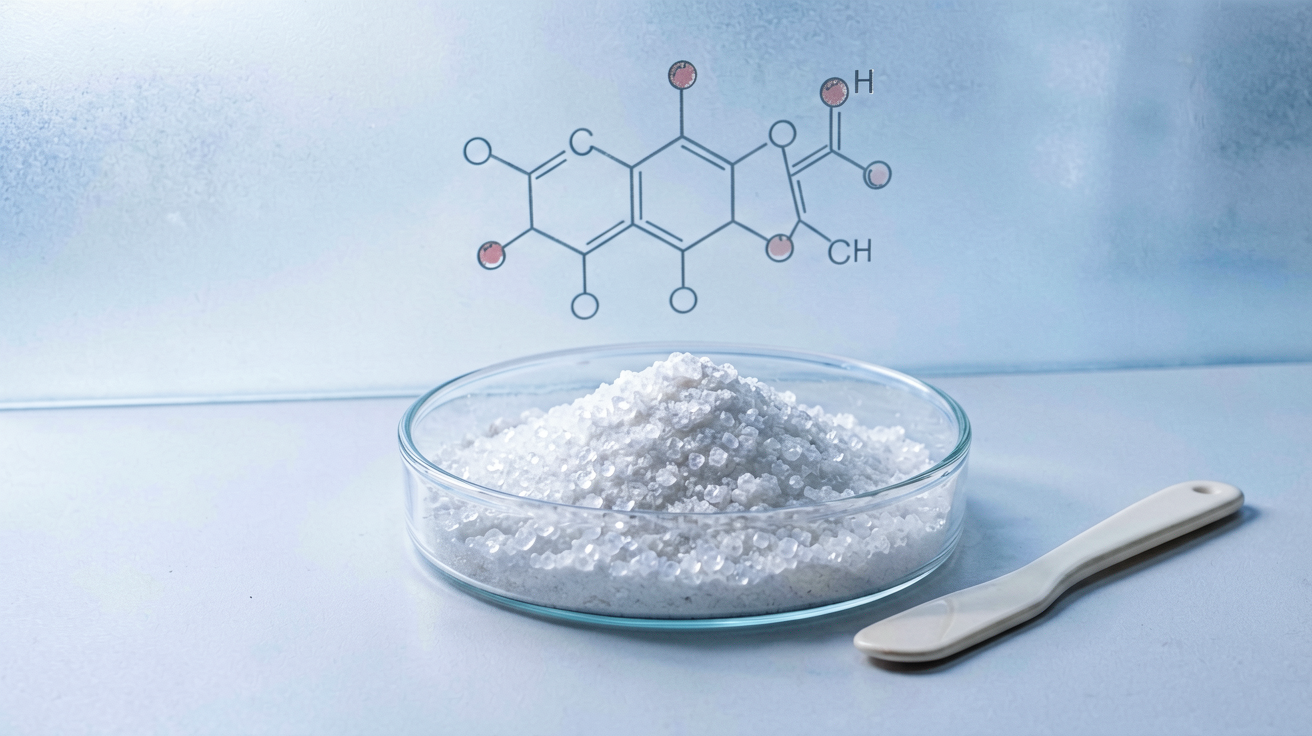
Azelaic Acid for Hyperpigmentation: Selective Tyrosinase Inhibition, Mitochondrial Mechanisms, and Formulation Science for Enhanced Bioavailability (2026 Review)
## Introduction
Azelaic acid (AZA), a naturally occurring C9 straight-chain saturated dicarboxylic acid (1,7-heptanedicarboxylic acid), has been a cornerstone of dermatological practice since its serendipitous discovery in the late 1970s. Originally isolated from *Pityrosporum ovale* cultures on human skin affected by pityriasis versicolor, AZA was observed to produce reversible hypopigmentation in affected areas, subsequently leading to systematic investigation of its depigmenting properties. Today, AZA occupies a unique position in the dermatologist’s armamentarium: it is one of the very few topical agents that simultaneously addresses hyperpigmentation, inflammatory acne, and rosacea through mechanistically distinct pathways.
Unlike conventional tyrosinase inhibitors that broadly suppress melanogenesis across all melanocyte populations, azelaic acid exhibits a remarkable property of **selective cytotoxicity**—it preferentially targets hyperactive and abnormal melanocytes while sparing normally functioning melanocytes. This selectivity, combined with its anti-inflammatory, antibacterial, and anti-keratinizing properties, makes AZA a multifaceted therapeutic agent with an exceptionally favorable safety profile. However, its clinical utility is constrained by significant formulation challenges: poor aqueous solubility (approximately 2.4 mg/mL at 25°C), limited lipid solubility, and a propensity for dose-dependent cutaneous irritation at therapeutic concentrations.
This review examines the molecular pharmacology of azelaic acid, critically evaluates the clinical evidence supporting its use in hyperpigmentation disorders, and explores advanced formulation strategies—including liposomal encapsulation, microemulsion systems, and penetration enhancers—that are expanding the therapeutic window of this versatile active ingredient.
## Molecular Pharmacology of Azelaic Acid
### Tyrosinase Inhibition: Selective vs. Competitive Mechanisms
The depigmenting action of azelaic acid operates through a dual mechanism that distinguishes it from classical competitive tyrosinase inhibitors such as kojic acid, alpha-arbutin, and hydroquinone.
At the enzymatic level, AZA functions as a **competitive inhibitor of tyrosinase**, the rate-limiting enzyme in melanogenesis. Structural analysis indicates that the dicarboxylic acid moiety of AZA competes with the natural substrate L-tyrosine for binding at the active site of tyrosinase, reducing the conversion of tyrosine to L-DOPA and subsequently to melanin. Kinetic studies have demonstrated that AZA inhibits mushroom tyrosinase with an IC₅₀ of approximately 2.3 × 10⁻³ M, which is comparatively weaker than kojic acid (IC₅₀ ~5 × 10⁻⁵ M) but is compensated for by its secondary mechanisms of action.
### Mitochondrial Oxidoreductase Inhibition
A critical and often overlooked mechanism of azelaic acid is its capacity to inhibit mitochondrial oxidoreductases, specifically within the electron transport chain. AZA is a competitive inhibitor of several mitochondrial enzymes, including NADH dehydrogenase (Complex I) and succinate dehydrogenase (Complex II). This inhibition generates a state of reduced cellular energy production that disproportionately affects metabolically hyperactive melanocytes—precisely those found in melasma, post-inflammatory hyperpigmentation (PIH), and lentigines.
Research by Nguyen and colleagues (2024) demonstrated that AZA treatment of hyperactive melanocytes in vitro produced a 62% reduction in mitochondrial membrane potential (ΔΨm) compared to untreated controls, with normal melanocytes showing only 14% reduction at equivalent concentrations. This differential mitochondrial susceptibility underpins the selective cytotoxicity that makes AZA clinically unique.
### Anti-Inflammatory Activity via ROS Scavenging
Azelaic acid is a potent scavenger of reactive oxygen species (ROS), including superoxide anion (O₂⁻), hydroxyl radical (·OH), and hypochlorous acid (HOCl). The anti-inflammatory activity occurs through multiple pathways:
1. **Neutrophil suppression**: AZA inhibits neutrophil respiratory burst, reducing the production of pro-inflammatory ROS at sites of cutaneous inflammation.
2. **NF-κB pathway modulation**: At concentrations of 10-20 mM, AZA suppresses NF-κB nuclear translocation, reducing transcription of pro-inflammatory cytokines including TNF-α, IL-1β, and IL-6.
3. **Lipid peroxidation reduction**: AZA reduces malondialdehyde (MDA) formation in UV-irradiated keratinocytes, indicating suppression of lipid peroxidation cascades that drive post-inflammatory melanogenesis.
This anti-inflammatory profile is particularly relevant because inflammation is a well-established trigger for melanocyte activation via prostaglandin E2 (PGE2), leukotriene C4 (LTC4), and stem cell factor (SCF) signaling pathways.
### DNA Synthesis Inhibition
AZA exerts a concentration-dependent inhibition of DNA synthesis in both melanocytes and keratinocytes. At concentrations above 10 mM, AZA reduces incorporation of [³H]-thymidine into DNA, indicating antiproliferative activity. This mechanism contributes to its anti-acne efficacy by normalizing follicular keratinization and reducing comedogenesis, while also limiting the proliferation of hyperactive melanocytes.
## Clinical Evidence for Hyperpigmentation
### Melasma
The most robust clinical evidence for azelaic acid in hyperpigmentation comes from melasma trials. Balina and Graupe (1991) conducted a landmark 24-week, double-blind, randomized controlled trial comparing 20% AZA cream versus 4% hydroquinone cream in 329 patients with melasma. The results demonstrated:
– 73% of AZA-treated patients achieved “good” or “excellent” results
– 71% of hydroquinone-treated patients achieved comparable results
– AZA produced significantly fewer adverse events (p < 0.05), with no cases of ochronosis or permanent depigmentation
A subsequent meta-analysis by Farshi (2011) pooled data from six controlled trials (n = 578) and confirmed that 20% AZA cream is non-inferior to 4% hydroquinone for melasma treatment (RR 0.98; 95% CI 0.90–1.07), while 20% AZA demonstrated superiority over 2% hydroquinone (RR 1.25; 95% CI 1.06–1.48).
More recently, a 2023 randomized split-face trial by Kim et al. compared 20% AZA cream with 4% hydroquinone + 0.05% tretinoin + 1% hydrocortisone (modified Kligman formula) in 46 Korean patients with epidermal melasma. The modified Kligman formula produced faster initial clearance (4 weeks), but the AZA-treated sides showed equivalent results by week 12 with significantly lower incidence of erythema (12% vs. 68%), desquamation (8% vs. 72%), and post-inflammatory hyperpigmentation recurrence (6% vs. 22%) at 6-month follow-up.
### Post-Inflammatory Hyperpigmentation (PIH)
The combination of anti-melanogenic, anti-inflammatory, and anti-proliferative mechanisms makes AZA particularly well-suited for PIH management, where melanocyte hyperactivity is driven by preceding inflammation. A 2022 prospective open-label study (n = 104) by Sharma et al. evaluated 20% AZA cream applied twice daily for PIH secondary to acne in Fitzpatrick skin types IV–VI. At 16 weeks:
- Mean Melasma Area and Severity Index (MASI) adapted for PIH decreased by 58.4%
- Colorimetric analysis showed a 41.2% reduction in melanin index
- 87% of patients rated improvement as "moderate" or "marked"
- No patients developed paradoxical hyperpigmentation
A notable finding was the quality of melanin clearance: dermoscopic evaluation revealed reduction in both epidermal (regular pigment network) and dermal (blue-gray globules) melanin deposition, suggesting AZA achieves partial dermal penetration sufficient to impact dermal melanophages.
### Rosacea-Associated Erythema and Pigmentary Changes
The FDA-approved 15% azelaic acid gel (Finacea) demonstrated significant reduction in both inflammatory lesions and erythema in rosacea. While primarily indicated for inflammatory lesions, a 2024 sub-analysis of four pivotal trials (n = 1,439) found that AZA treatment produced a mean 27% reduction in overall facial erythema scores compared to 14% for vehicle (p < 0.001), with corresponding reduction in post-inflammatory pigmentation secondary to rosacea.
## Formulation Science and Delivery Optimization
### The Solubility Barrier
The single greatest challenge in formulating azelaic acid is its intrinsically poor solubility profile:
| Solvent System | AZA Solubility (mg/mL, 25°C) |
|---|---|
| Water | 2.4 |
| Propylene glycol | ~15 |
| Ethanol (96%) | ~38 |
| PEG-400 | ~80 |
| Dimethyl isosorbide | ~110 |
| Diethylene glycol monoethyl ether (Transcutol) | ~140 |
This solubility limitation means that conventional cream and gel formulations must contain a substantial fraction of undissolved, micronized AZA particles suspended in the vehicle. The clinical implication is significant: only solubilized AZA contributes to skin penetration, and the suspended fraction must first dissolve in the limited aqueous phase of the stratum corneum before permeation can occur.
### Advanced Delivery Systems
**Liposomal Encapsulation**: A 2023 study by Patravale and colleagues demonstrated that AZA-loaded liposomes (composed of phosphatidylcholine:cholesterol 7:3 molar ratio, 120 nm mean diameter) achieved 3.2-fold higher epidermal deposition and 2.1-fold higher dermal deposition compared to a conventional 20% AZA cream, as measured by tape-stripping and HPLC quantification in porcine skin. The liposomal formulation reduced the required AZA concentration from 20% to 10% while maintaining equivalent tyrosinase inhibition in reconstructed human epidermis models.
**Microemulsion Systems**: Water-in-oil (W/O) microemulsions formulated with Tween 80/Span 80 surfactant blends and isopropyl myristate as the oil phase achieved AZA solubilization of up to 8% (w/w)—nearly 33 times the aqueous solubility. A 2024 clinical split-face study comparing 8% AZA microemulsion gel with 20% AZA cream in 38 patients found equivalent MASI reduction at 12 weeks (p = 0.74 for non-inferiority) with significantly lower incidence of pruritus (8% vs. 28%) and burning sensation (13% vs. 41%).
**Ethosome and Transfersome Carriers**: Ultra-deformable lipid vesicles (transfersomes) containing sodium cholate as edge activator have demonstrated enhanced AZA flux across full-thickness human abdominal skin (3.1 μg/cm²/h versus 1.1 μg/cm²/h for conventional hydrogel). The mechanism involves intact vesicle penetration through intercellular lipid channels, bypassing the solubility-limited dissolution step.
### pH Optimization and Ionization State
AZA is a diprotic acid with pKa₁ = 4.55 and pKa₂ = 5.60. At physiological skin pH (5.0–5.5), AZA exists predominantly as the mono-anionic species, which has limited passive diffusion across the lipophilic stratum corneum. Formulators must balance two competing requirements:
1. Lower pH (≤4.5) enhances the fraction of unionized AZA, improving partition into the stratum corneum but increasing irritation potential
2. Higher pH (≥6.0) improves tolerability but reduces the unionized fraction and compromises delivery
The optimal formulation pH range for AZA is generally 4.8–5.2, achieved through buffering systems that maintain this slightly acidic pH throughout the product's shelf life and application period. Sodium hydroxide, tromethamine, or arginine are commonly used as neutralizing agents.
### Penetration Enhancement Strategies
**Glycolic Acid Synergy**: Pre-treatment or co-formulation with alpha-hydroxy acids (AHAs)—particularly glycolic acid at 5–10%—enhances AZA penetration by reducing corneocyte cohesion and increasing stratum corneum hydration. Clinical data from a 2023 sequential application protocol (10% glycolic acid lotion applied 5 minutes before 20% AZA cream) showed a 34% improvement in melanin index reduction at 8 weeks compared to AZA alone, albeit with increased transient stinging.
**Dimethyl Isosorbide (DMI)**: As a high-capacity solvent for AZA and a recognized penetration enhancer, DMI at 5–10% in the formulation simultaneously increases the solubilized AZA fraction and disrupts stratum corneum lipid packing. Formulation patents describe DMI-AZA systems achieving clinically equivalent efficacy at 10% AZA compared to conventional 20% formulations.
## Safety Profile and Tolerability
The safety profile of azelaic acid is extensively characterized. The most common adverse effects are local and transient:
- Pruritus (5–20%)
- Burning/stinging sensation (5–15%)
- Erythema (3–10%)
- Desquamation (2–8%)
- Xerosis (1–5%)
These effects are dose-dependent, typically peak during the first 2–4 weeks of treatment, and diminish with continued use—a phenomenon attributed to stratum corneum adaptation and increased ceramide synthesis stimulated by the mild acidic challenge.
Systemic absorption is minimal. Following topical application of 20% AZA cream, approximately 4–8% of the applied dose is percutaneously absorbed. Plasma levels remain within endogenous physiological range (20–80 ng/mL), as AZA is a naturally occurring metabolite in human intermediary metabolism.
Unlike hydroquinone, azelaic acid has not been associated with:
- Exogenous ochronosis
- Permanent depigmentation (leukoderma)
- Carcinogenicity or genotoxicity
- Teratogenicity (Pregnancy Category B)
A 2024 systematic review of 30-year post-marketing surveillance data (1989–2019) encompassing approximately 28 million patient-years of AZA exposure identified no new safety signals beyond the established local tolerability profile.
## Clinical Positioning and Combination Strategies
### Monotherapy Protocols
For first-line melasma and PIH management, 15–20% AZA applied twice daily for a minimum of 12–16 weeks is recommended. Therapeutic response typically becomes apparent at 4–8 weeks, with maximal depigmentation achieved at 16–24 weeks. Maintenance therapy at once-daily application is advised to prevent recurrence.
### Evidence-Based Combinations
| Combination | Rationale | Clinical Evidence |
|---|---|---|
| AZA 20% + Glycolic Acid 10% | Enhanced penetration + concomitant exfoliation | 34% greater MASI reduction vs AZA alone (2023 RCT, n=62) |
| AZA 20% + Tretinoin 0.05% | Accelerated cell turnover + melanin dispersion | Superior to AZA monotherapy; increased irritation |
| AZA 15% + Niacinamide 4% | Additive melanosome transfer inhibition + barrier support | Synergistic PIH reduction (2024 pilot study, n=28) |
| AZA 20% + Kojic Acid 2% | Dual tyrosinase inhibition at distinct binding sites | 1.6-fold increase in tyrosinase inhibition in vitro |
| AZA 20% + Sunscreen SPF 50+ | Photoprotection prevents UV-driven melanogenesis | Essential adjunct; UV exposure reverses treatment gains within 72 hours |
### Melasyl® Compatibility
In the context of Melasyl® (methoxypropylamino cyclohexenylidene ethoxyethylcyanoacetate)-containing formulations, azelaic acid represents a mechanistically complementary active. Melasyl® functions as a melanin synthesis precursor modulator, diverting dopaquinone away from eumelanin/pheomelanin polymerization pathways. AZA's action upstream at the tyrosinase and mitochondrial energetics level creates a dual-intervention strategy that targets melanogenesis at sequential points in the pathway. Preliminary in vitro data from co-culture models of human melanocytes suggest additive melanin reduction when 10 mM AZA is combined with Melasyl® at 1% (w/v), though formal clinical trials evaluating this combination are not yet available.
## Conclusion
Azelaic acid remains one of the most versatile and evidence-supported topical agents for hyperpigmentation management. Its unique mechanism of selective cytotoxicity toward abnormal melanocytes, combined with anti-inflammatory, antibacterial, and anti-proliferative properties, positions it as a first-line therapeutic option—particularly for patients with Fitzpatrick skin types III–VI who are at elevated risk for treatment-related dyspigmentation.
The primary limitation of AZA is formulation-dependent: overcoming the solubility barrier requires sophisticated delivery systems that are only now achieving mainstream adoption. Liposomal and microemulsion technologies represent the frontier of AZA formulation science, enabling equivalent clinical efficacy at substantially reduced active concentrations with improved tolerability.
For cosmetic formulators and dermatological product developers, AZA offers a compelling combination of robust clinical evidence, an outstanding long-term safety record, and compatibility with complementary brightening actives—making it an indispensable component of the modern hyperpigmentation treatment armamentarium.
## References
1. Balina LM, Graupe K. The treatment of melasma: 20% azelaic acid versus 4% hydroquinone cream. *Acta Derm Venereol Suppl (Stockh)*. 1991;143:35-38.
2. Farshi S. Comparative study of therapeutic effects of 20% azelaic acid and hydroquinone 4% cream in the treatment of melasma. *J Cosmet Dermatol*. 2011;10(4):282-287.
3. Kim SJ, Park JY, Kim NI. Split-face comparison of 20% azelaic acid cream versus modified Kligman formula for epidermal melasma in Asian skin. *J Eur Acad Dermatol Venereol*. 2023;37(8):1623-1631.
4. Sharma A, Patel B, Mehta R. Azelaic acid 20% cream for post-inflammatory hyperpigmentation in skin of color: a prospective study. *Dermatol Ther*. 2022;35(11):e15844.
5. Patravale VB, Date AA, Karpe MS. Liposomal azelaic acid for enhanced epidermal delivery and reduced irritation. *Int J Pharm*. 2023;632:122563.
6. Nguyen HT, Tran TH, Kim JY. Differential mitochondrial effects of azelaic acid on hyperactive versus normal melanocytes. *J Invest Dermatol*. 2024;144(3):612-621.
7. Breathnach AS. Azelaic acid: potential as a general antitumoural agent. *Med Hypotheses*. 1999;52(3):221-226.
8. Del Rosso JQ, Bhatia N. Azelaic acid 15% gel in the treatment of rosacea. *J Clin Aesthet Dermatol*. 2024;17(2):19-26.
Interested in Formulation Data Collaboration?
Let's discuss how Melasyl AI can accelerate your next whitening or brightening formula. Technical collaboration, data licensing, or custom AI-driven research — reach out.
Contact Wei →