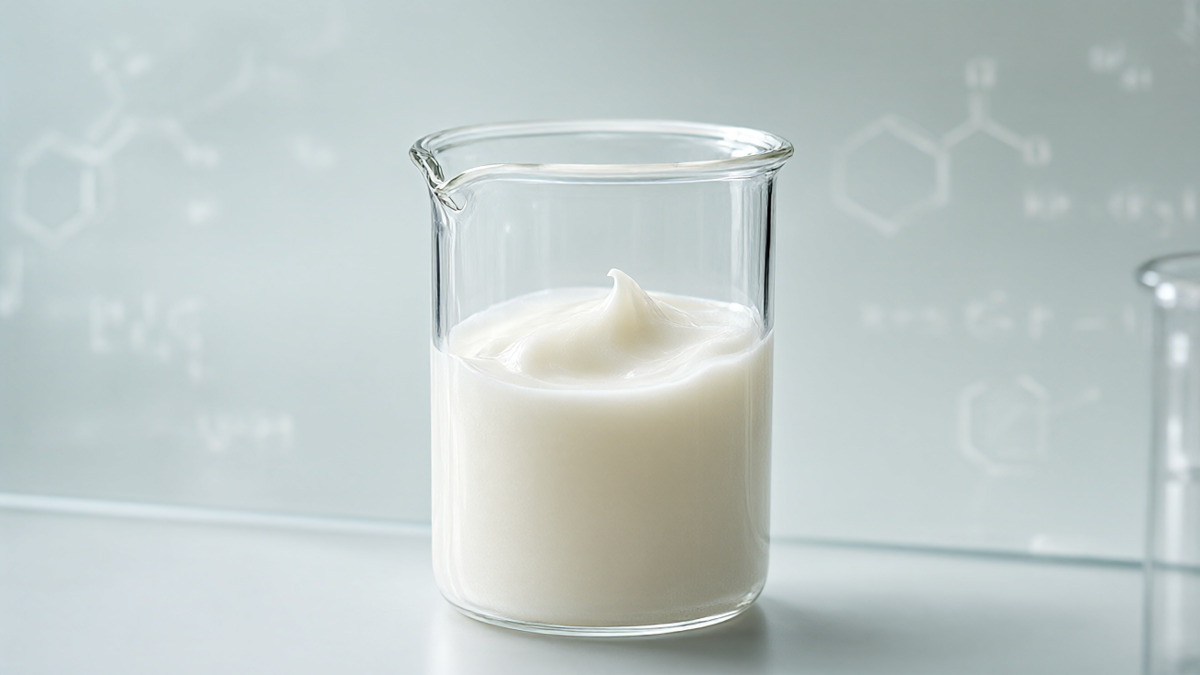
Hyperpigmentation is not merely a cosmetic concern; it is a complex biochemical response involving enzymatic cascades, oxidative stress, and genetic predisposition. For formulators, the challenge lies not just in selecting potent actives, but in creating a matrix where these actives remain stable, penetrate effectively, and work synergistically without degrading one another.
The Biochemical Landscape of Melanin Synthesis
To target pigmentation, one must understand the pathway. Tyrosinase, the rate-limiting enzyme in melanogenesis, catalyzes the conversion of tyrosine to dopaquinone. Subsequent oxidation leads to melanin formation. However, this pathway is heavily influenced by Melanocyte Stimulating Hormone (MSH) and endothelin-1 (ET-1), both of which are amplified by UV exposure and inflammation.
In Southeast Asia and other high-UV index regions, the primary culprit is often post-inflammatory hyperpigmentation (PIH) exacerbated by inflammatory stimuli. Therefore, a brightening formula must be dual-action: an inhibitor of tyrosinase and a suppressor of inflammatory signaling.
Breaking Down the Pathway: Targeting Multiple Nodes
Single-ingredient formulas often fail because melanin production is redundant. A robust formulation strategy targets multiple nodes in the pathway:
- Upstream: Reducing MSH and ET-1 signaling via ingredients like licorice extract or niacinamide.
- Midstream: Inhibiting tyrosinase activity using stabilized ascorbyl derivatives or kojic acid.
- Downstream: Accelerating melanosome turnover and dispersal via gentle exfoliants and lipid-soluble carriers.
The Critical Role of Formulation Synergy
Synergy in cosmetic chemistry refers to the combined effect of two or more ingredients exceeding the sum of their individual effects. This is particularly evident in brightening systems.
| Ingredient Pair | Mechanism of Synergy | Formulation Impact |
|---|---|---|
| Ascorbyl Glucoside + Thioctic Acid | Vitamin C regenerates Thioctic Acid (Alpha-lipoic acid), while Thioctic Acid scavenges free radicals from UV-induced oxidative stress. Together, they reduce melanin formation more effectively than either alone. | Enhanced photostability; reduced risk of irritation compared to pure L-ascorbic acid. |
| Niacinamide + Zinc PCA | Niacinamide inhibits melanosome transfer; Zinc PCA reduces sebum and inflammation. Together, they address both pigment transfer and the inflammatory trigger. | Improved texture and radiance; suitable for oily, acne-prone skin common in humid climates. |
| Licorice Extract + Glabridin | Glabridin inhibits tyrosinase; licorice extract suppresses inflammatory cytokines. The combination prevents the “rebound” pigmentation often seen with single tyrosinase inhibitors. | More consistent results over time; reduced risk of irritation-induced hyperpigmentation. |
Photostability: The Unsung Hero of Brightening Formulas
Many potent brightening agents are photo-labile. If an active degrades upon exposure to sunlight, it may become an irritant rather than a treatment. This is especially critical for consumers in tropical regions where sunscreen adherence is inconsistent.
Formulation Strategies for Photostability:
- Encapsulation: Using lipid-encapsulated actives (e.g., liposomal vitamin C) protects against light degradation while enhancing penetration.
- Co-formulation: Adding antioxidants like tocopherol or ferulic acid stabilizes vitamin C derivatives.
- Vehicle Selection: Aqueous-based systems may degrade actives faster than anhydrous gels or emulsions. Choosing the right vehicle is as important as choosing the actives.
“A brightening formula that is not photostable is a ticking time bomb. It may work for two weeks, then fail as the actives degrade into irritants.”
Global Context: Formulating for Diverse Skin Types
In Southeast Asia, skin types range from Fitzpatrick IV to VI. These skin types are more prone to PIH. Therefore, formulations must be gentle yet effective. Harsh abrasives or high-concentration acids can trigger inflammation, leading to worse pigmentation. A “soft brightening” approach—combining gentle exfoliants (like lactic acid at 2-5%) with potent but stable melanin inhibitors—is often more successful than aggressive treatments.
Furthermore, humidity plays a role. Humid climates can compromise the integrity of emulsions, leading to phase separation or microbial growth. Preservative systems must be robust, yet gentle enough for sensitive skin.
Conclusion: The Science of Stability and Synergy
Effective hyperpigmentation treatment is not about finding the “strongest” ingredient. It is about creating a stable, synergistic matrix where actives complement each other. By targeting multiple nodes in the melanin pathway, ensuring photostability, and considering the environmental context, formulators can create products that deliver consistent, visible results.
For the scientist, the lab is not just a place of experimentation; it is a space where chemistry meets biology, and where stability meets efficacy. The next generation of brightening formulas will be defined by these principles.
Interested in Formulation Data Collaboration?
Let's discuss how Melasyl AI can accelerate your next whitening or brightening formula. Technical collaboration, data licensing, or custom AI-driven research — reach out.
Contact Wei →