The Tropical Paradox: Humidity, Heat, and Hyperpigmentation
In the cosmetic chemistry landscape, Southeast Asia (SEA) presents a unique dermatological challenge that defies standard Western formulation protocols. The region’s persistent high humidity, intense UV index, and distinct melanin density create a ‘tropical paradox’ where traditional brightening agents often fail to penetrate the epidermal barrier effectively. For independent formulators, this is not merely a marketing concern; it is a fundamental issue of physicochemical stability and bioavailability.
The Barrier Dilemma: In humid environments, the stratum corneum remains relatively hydrated, which paradoxically can impede the passive diffusion of hydrophilic actives like standard vitamin C or alpha hydroxy acids (AHAs). Meanwhile, the high metabolic rate of melanocytes in SEA populations means that post-inflammatory hyperpigmentation (PIH) develops rapidly if the barrier is compromised. The market is shifting from simple exfoliation to targeted, encapsulated delivery systems.
The Necessity of Nano-Liposomal Encapsulation
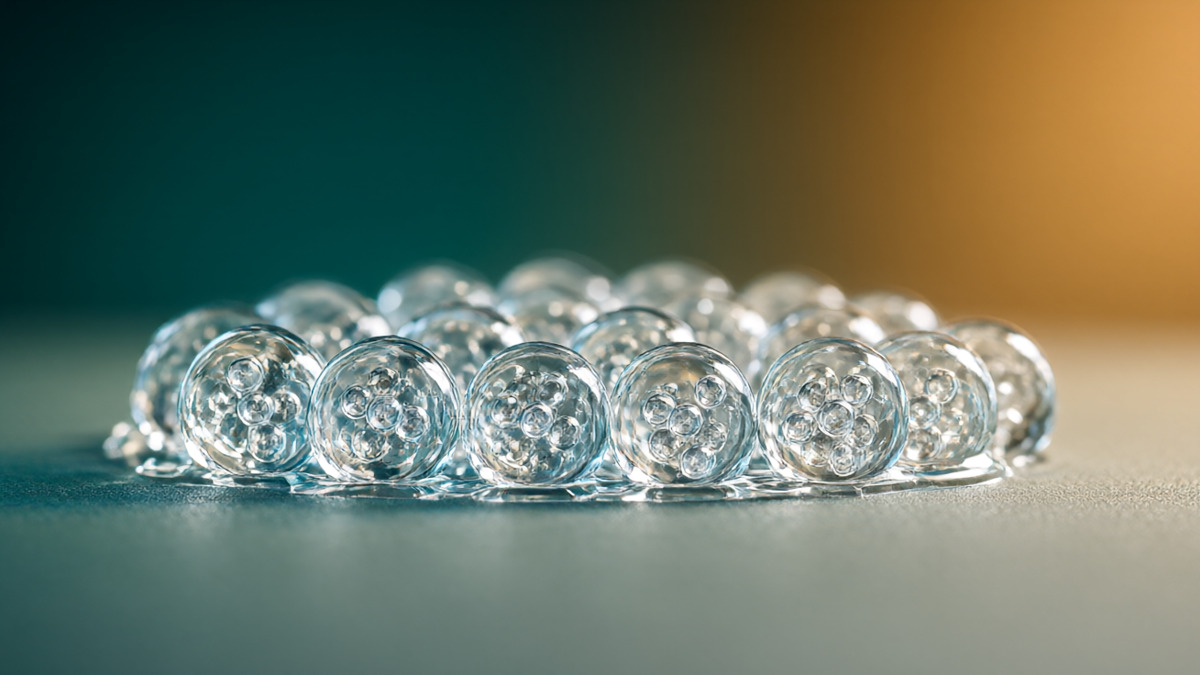
Traditional surfactant-based delivery systems are increasingly viewed as insufficient for the SEA consumer who demands visible results without the irritation risks associated with high-concentration acids. Nano-liposomal encapsulation offers a superior alternative by leveraging biomimetic structures to transport actives deep into the epidermal layers.
Why Liposomes Outperform Standard Emulsions
- Biocompatibility: Liposomes mimic the cell membrane, allowing for enhanced absorption without disrupting the skin’s natural lipid matrix.
- Protection: Encasing unstable actives like ascorbic acid derivatives within lipid bilayers protects them from oxidation caused by environmental humidity and heat.
- Targeted Release: The degradation of the lipid bilayer occurs at specific sites, releasing the payload directly into the melanocyte-rich zones.
Formulation Synergy: A Comparative Framework
To understand the superiority of encapsulated systems in the SEA context, one must look at the chemical interactions. Below is a breakdown of how different delivery vehicles interact with common brightening agents in high-humidity conditions.
| Delivery System | Stability in Humidity | Penetration Depth | PIH Risk |
|---|---|---|---|
| Standard Oil-in-Water Emulsion | Low (Sweat-sensitive) | Surface-level | Moderate |
| Concentrated Aqueous Serum | High | Very Low | High (Irritation) |
| Nano-Liposomal System | Excellent | Deep Epidermal | Minimal |
The Chemistry of Protection
When we encapsulate a brightening agent like tranexamic acid or niacinamide in a nano-liposome, we are essentially creating a ‘Trojan Horse’ for the skin. The lipid shell must be carefully calibrated to maintain a low melting point, ensuring that the heat of the skin itself triggers the release of the active ingredient. This is critical in SEA climates where the skin temperature is consistently higher, facilitating a more predictable release profile compared to cooler climates.
“The efficacy of a brightening formula in the tropics is not determined by the concentration of the active, but by its ability to survive the environment and penetrate the barrier.”
Regulatory and Consumer Implications
As the SEA market matures, consumers are moving away from ‘quick fix’ whitening creams toward ‘skin health’ and ‘tone uniformity.’ Regulatory bodies in Singapore, Thailand, and Indonesia are increasingly scrutinizing claims of ‘whitening’ versus ‘brightening.’ Nano-liposomal technology provides a scientific bridge for brands to claim ‘targeted delivery’ and ‘enhanced bioavailability’ without relying on controversial ingredients.
Key Formulation Considerations for the Region
- Viscosity Control: Formulations must remain lightweight to prevent occlusion in high humidity. Liposomal systems naturally provide a lighter, more breathable texture.
- Antioxidant Shielding: Incorporating tocopherol into the liposomal membrane itself provides an additional layer of protection against environmental oxidative stress.
- Stability Testing: Standard accelerated stability tests must be conducted at higher temperatures (40°C/75% RH) to ensure the liposomal structure does not collapse prematurely.
The Future of Tropical Formulation
The independent laboratory approach to cosmetic science suggests that the future of SEA skincare lies in precision delivery. As we move away from generic ‘whitening’ claims, the focus shifts to the molecular integrity of the delivery vehicle. Nano-liposomal encapsulation is not just a trend; it is a necessity for any brand aiming to deliver true dermatological results in the world’s most demanding climate. By respecting the unique physiology of SEA skin, formulators can create products that are not just effective, but resilient.
For the modern consumer, the promise is simple: less irritation, deeper penetration, and a uniform complexion that remains stable despite the tropical heat. The science is clear; the formulation must be equally clear.
Interested in Formulation Data Collaboration?
Let's discuss how Melasyl AI can accelerate your next whitening or brightening formula. Technical collaboration, data licensing, or custom AI-driven research — reach out.
Contact Wei →