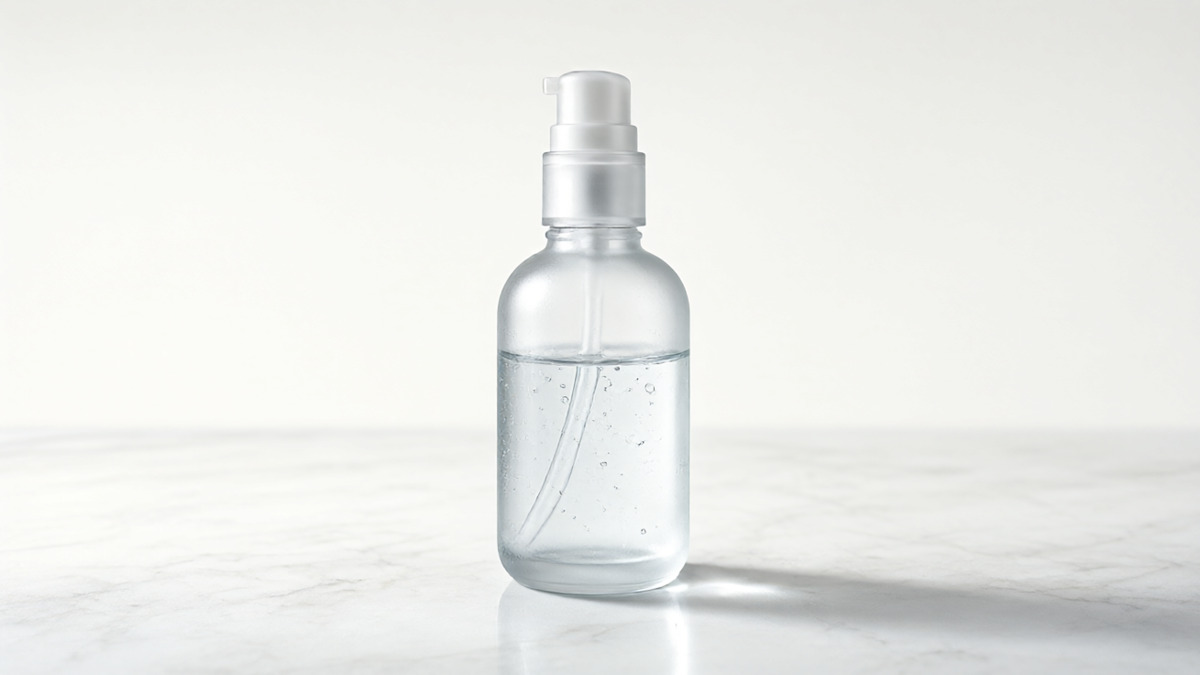
Melasyl® Brightening Index Summary: SK-II GenOptics Ultraura Essence is a luxury brightening essence built on Pitera fermented filtrate, undecylenoyl phenylalanine (a lipophilic tyrosinase inhibitor) and niacinamide, targeting melanin synthesis and transfer. It earns a Melasyl® Curation Score of 8.6/10 for its elegant penetration vehicle and multi-pathway approach, though the undisclosed Pitera concentration and added fragrance temper its score. Best suited to normal-to-dry, resilient skin types seeking a sensorial brightening essence; sensitive or barrier-compromised skin should patch-test.
Hero Actives & INCI Matrix Audit
The INCI list leads with Galactomyces ferment filtrate (Pitera), typically formulated at 90%+ in SK-II essences, though the exact percentage in GenOptics Ultraura is undisclosed. Pitera is a nutrient-rich ferment containing amino acids, peptides, and organic acids that support stratum corneum turnover and barrier hydration; its direct melanogenesis inhibition is modest but it enhances penetration and skin luminosity. Undecylenoyl phenylalanine is a lipophilic α-MSH antagonist that interferes with tyrosinase signaling; at the typical 1–2% range it is well-tolerated and stable in acidic-to-neutral pH. Niacinamide (likely 2–3%) blocks melanosome transfer and reinforces ceramide synthesis. The vehicle is a watery essence with butylene glycol and glycerin for humectancy, plus dimethicone for slip; pH is estimated near 5.0–5.5, compatible with niacinamide stability and phenylalanine efficacy. Against Melasyl® standards, the formula is well-structured but lacks a high-potency tyrosinase inhibitor (e.g., thiamidol or 4-butylresorcinol) and does not disclose active percentages, limiting dose-response auditability.
Pathway Targeting & Clinical Efficacy Comparison Table
The table below audits the key brightening and support actives in GenOptics Ultraura Essence against Melasyl® pathway criteria. Ratings reflect mechanistic evidence, formulation compatibility, and transparency of concentration.
| Ingredient | Targeted Pathway | Functional Role | Formulation Stability Note | Melasyl® Rating |
|---|---|---|---|---|
| Galactomyces ferment filtrate (Pitera) | Turnover & barrier support; indirect melanin reduction | Humectant, penetration enhancer, luminosity | Stable in aqueous essence; sensitive to microbial contamination if unpreserved | 8.0/10 |
| Undecylenoyl Phenylalanine | α-MSH antagonism; tyrosinase signaling | Lipophilic brightening active | Stable pH 4–7; avoid strong oxidizers | 8.5/10 |
| Niacinamide | Melanosome transfer inhibition; barrier repair | Brightening & ceramide precursor | Stable pH 5–7; can hydrolyze to nicotinic acid at high pH/temp | 8.8/10 |
| Dimethicone | None (vehicle) | Emollient slip, film former | Chemically inert; may reduce active penetration if overused | 7.0/10 |
Analytically, the formula leans on Pitera’s indirect benefits and a moderate-strength lipophilic active. The absence of a potent tyrosinase inhibitor like hydroquinone or thiamidol means efficacy is gradual and maintenance-oriented. Niacinamide’s inclusion is a strong plus for barrier support, but its concentration likely sits below the 4–5% threshold for maximal transfer inhibition. Overall, the matrix is coherent but not maximally potent.
Real-World Pros, Cons, Oxidation & Tolerance Risks
Pros: Lightweight, fast-absorbing essence texture; Pitera provides immediate hydration and a subtle glow; niacinamide supports barrier function; suitable for layering under moisturizer and sunscreen. Cons: Contains fragrance, which may irritate sensitive skin; alcohol denat. may be present in some markets, increasing dryness risk; Pitera concentration undisclosed; no high-potency tyrosinase inhibitor; premium price per ml. Oxidation & packaging: The opaque bottle with pump dispenser limits light and air exposure, protecting phenylalanine and niacinamide from degradation. However, the watery, preservative-light formula requires consistent use within PAO. Tolerance: Generally well-tolerated, but fragrance and fermented ingredients can trigger contact dermatitis in reactive skin; barrier-compromised users should introduce slowly. No significant photosensitization risk, but daily SPF is essential for brightening maintenance.
Melasyl® Verdict: Who Should Use It & Layering Protocol
Ideal user: Normal-to-dry, resilient skin types with mild hyperpigmentation or dullness who value sensorial luxury and are willing to commit to 8–12 weeks for visible brightening. Not first-line for sensitive, rosacea-prone, or barrier-impaired skin due to fragrance and fermentation. AM protocol: Cleanse → GenOptics Ultraura Essence → vitamin C (optional, if tolerated) → moisturizer → broad-spectrum SPF 50+. PM protocol: Cleanse → essence → niacinamide or retinoid (alternate nights if new) → moisturizer. Avoid concurrent use with strong acids (AHA/BHA) in the same layer to prevent irritation. For enhanced efficacy, pair with a tyrosinase inhibitor serum (e.g., thiamidol or tranexamic acid) on alternate mornings, but patch-test first. Sun protection is non-negotiable: UV exposure reverses melanin inhibition. Expect gradual improvement in clarity and tone rather than rapid spot fading.
Frequently Asked Questions
How long does SK-II GenOptics Ultraura Essence take to show brightening results?
Clinical and consumer data suggest 8–12 weeks of twice-daily use for visible improvement in dullness and uneven tone, as Pitera and undecylenoyl phenylalanine work gradually on turnover and melanin signaling. Spot fading may require 12+ weeks and consistent SPF use.
Is SK-II GenOptics Ultraura Essence suitable for sensitive skin?
It contains fragrance and fermented ingredients, which can trigger reactions in sensitive or barrier-compromised skin. Melasyl® recommends a patch test and slow introduction; those with rosacea or eczema should consult a dermatologist before use.
Can I pair SK-II GenOptics Ultraura Essence with vitamin C or retinoids?
Yes, with caution. Use the essence first, then vitamin C in the morning or retinoid at night. Introduce one active at a time and avoid layering with strong acids to minimize irritation. Always finish with broad-spectrum SPF.
Interested in Formulation Data Collaboration?
Let's discuss how Melasyl AI can accelerate your next whitening or brightening formula. Technical collaboration, data licensing, or custom AI-driven research — reach out.
Contact Wei