Melasyl® Brightening Index Summary: SkinCeuticals Discoloration Defense is a multi-pathway brightening serum built on 3% tranexamic acid, 1% kojic acid and 5% niacinamide, targeting melanin transfer, tyrosinase activity and post-inflammatory hyperpigmentation. Under the Melasyl® Curation Standard it scores 8.4/10 for its clinically anchored actives, fragrance-free vehicle and credible concentration disclosure. It suits normal, oily and combination skin with stubborn discoloration, while sensitive or barrier-compromised skin should introduce it gradually.
Hero Actives & INCI Matrix Audit
The formula’s strength is its deliberate stacking of three mechanistically distinct actives rather than a single hero molecule. Tranexamic acid at 3% is the highest publicly declared concentration in this class: it is a plasmin inhibitor that interrupts the keratinocyte-to-melanocyte inflammatory signaling loop, making it especially relevant to melasma and acne-related pigmentation. Kojic acid at 1% is a copper-chelating tyrosinase inhibitor that suppresses new melanin synthesis; at this level it is meaningful but not aggressive. Niacinamide at 5% sits in the well-studied range for downregulating melanosome transfer from melanocytes to keratinocytes and for supporting ceramide synthesis.
The vehicle is a lightweight aqueous-glycerin gel with hydroxyethylcellulose and a small amount of dimethicone, which gives slip without occlusion. No fragrance, no essential oils and no drying alcohol are listed, which is a strong tolerance signal. The pH is not officially disclosed; based on the actives, it is likely in the mildly acidic 4.5–5.5 range, compatible with niacinamide stability and tranexamic acid solubility. Kojic acid is the formulation’s weakest link: it is oxidation-prone and can brown over time, so opaque or air-restricted packaging matters. Relative to Melasyl® standards, the INCI matrix is transparent, clinically referenced and free of unnecessary dye, but it lacks a dedicated antioxidant or barrier-repair co-active to offset cumulative irritation from long-term kojic acid use.
Pathway Targeting & Clinical Efficacy Comparison Table
The table below audits the principal functional ingredients against their melanogenesis targets, stability behavior and Melasyl® rating. Ratings reflect concentration relevance, evidence quality and formulation compatibility, not marketing claims.
| Ingredient | Targeted Pathway | Functional Role | Formulation Stability Note | Melasyl® Rating |
|---|---|---|---|---|
| Tranexamic Acid 3% | Plasmin / PAR-2 inflammatory signaling | Reduces melasma and PIH recurrence | Stable in mildly acidic aqueous systems; avoid high-pH formulas | 9.2/10 |
| Kojic Acid 1% | Tyrosinase copper chelation | Blocks new melanin synthesis | Oxidation-prone; requires opaque, air-restricted packaging | 7.8/10 |
| Niacinamide 5% | Melanosome transfer; barrier lipids | Brightens and supports ceramide production | Stable at pH 4.5–7.0; compatible with tranexamic acid | 8.8/10 |
| Hydroxyethylcellulose / Glycerin | Vehicle / humectant | Lightweight delivery, hydration | Chemically inert; no known oxidation risk | 8.0/10 |
Analytically, the formula’s synergy is its strongest asset: tranexamic acid handles the inflammatory trigger, kojic acid reduces new pigment production, and niacinamide limits pigment transfer while protecting barrier function. The lower kojic acid rating reflects its instability and the absence of a chelator or antioxidant in the visible INCI to slow browning. Tranexamic acid at 3% is the standout and justifies the product’s clinical positioning.
Real-World Pros, Cons, Oxidation & Tolerance Risks
Pros: fragrance-free and alcohol-free; transparent active concentrations; lightweight, fast-absorbing gel texture suitable for humid climates and layering under sunscreen; strong published evidence for tranexamic acid in melasma; niacinamide provides barrier support that partially offsets kojic acid irritation.
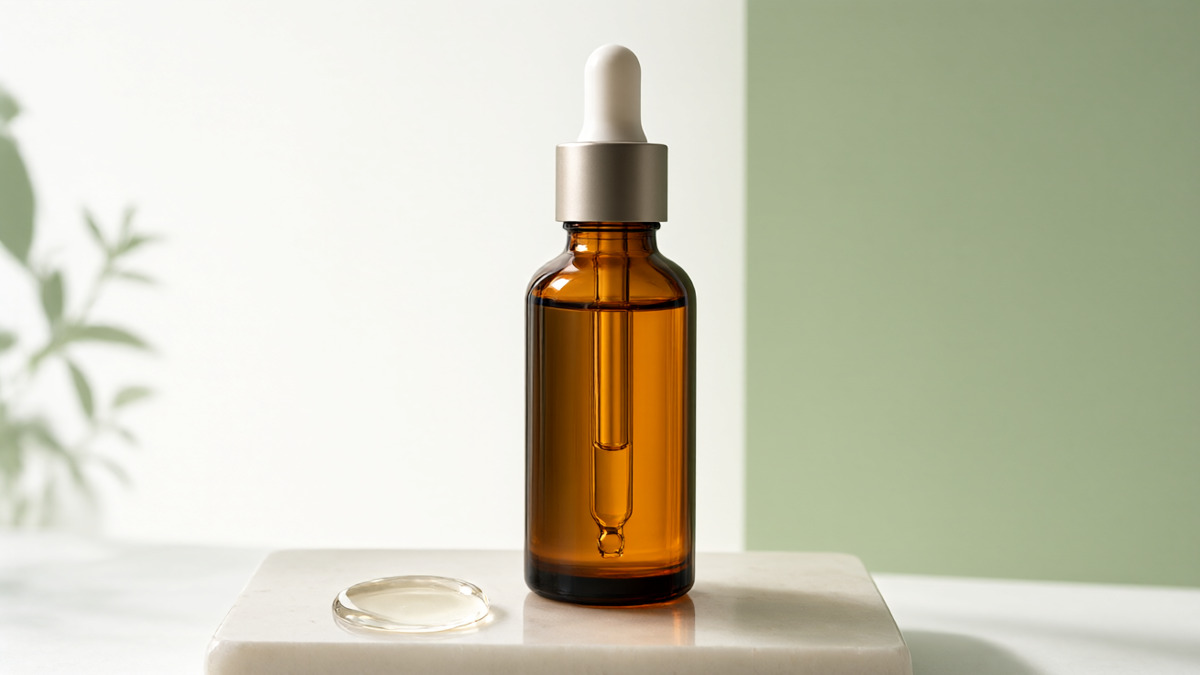
Cons: kojic acid can cause stinging, contact dermatitis and paradoxical post-inflammatory hyperpigmentation in sensitive skin; the formula lacks dedicated antioxidants, so the serum itself offers limited environmental protection; the amber-style bottle is light-protective but repeated air exposure during use can still oxidize kojic acid, visible as a deepening yellow-brown tint.
Tolerance risks: cumulative irritation is possible when combined with retinoids, AHAs or benzoyl peroxide. Barrier-compromised skin should patch-test and start every other night. The product is not marketed as pregnancy-safe for all patients; tranexamic acid topical use is generally low-risk, but kojic acid data in pregnancy is limited, so clinician guidance is advised.
Melasyl® Verdict: Who Should Use It & Layering Protocol
This is a credible, evidence-led brightening serum for melasma, post-acne marks and sun-induced discoloration, best suited to normal, oily and combination skin. It is not the gentlest option for rosacea-prone or actively irritated skin.
AM protocol: apply 3–5 drops to clean, dry skin after a gentle cleanser and before moisturizer; follow with a broad-spectrum SPF 50+ every morning, as UV exposure will undo tranexamic acid’s benefit. PM protocol: use nightly or alternate nights; avoid layering directly with strong retinoids or exfoliating acids in the same routine. If combining with vitamin C, use vitamin C in the morning and this serum at night to reduce stinging risk. Do not mix directly into the bottle with other serums. Store away from direct sunlight and heat, and discard if the liquid darkens markedly.
Frequently Asked Questions
How long does SkinCeuticals Discoloration Defense take to show results?
Clinical data cited for 3% tranexamic acid, 1% kojic acid and 5% niacinamide suggest visible improvement in discoloration from around 4 weeks, with more meaningful melasma and post-inflammatory hyperpigmentation reduction typically reported between 8 and 12 weeks of consistent twice-daily use with daily SPF.
Is SkinCeuticals Discoloration Defense suitable for sensitive skin?
It is fragrance-free and alcohol-free, which helps tolerance, but 1% kojic acid can sting and irritate reactive skin. Sensitive users should patch-test, start every other night, and avoid layering with retinoids or strong acids; barrier-compromised skin should consult a clinician first.
What can I pair with Discoloration Defense, and are there cheaper alternatives?
Pair it with a gentle hydrating cleanser, a ceramide moisturizer and SPF 50+ in the morning; use vitamin C in the AM and this serum in the PM rather than layering both. Lower-cost alternatives often use tranexamic acid plus niacinamide without kojic acid, which may be gentler but less multi-pathway.
Interested in Formulation Data Collaboration?
Let's discuss how Melasyl AI can accelerate your next whitening or brightening formula. Technical collaboration, data licensing, or custom AI-driven research — reach out.
Contact Wei