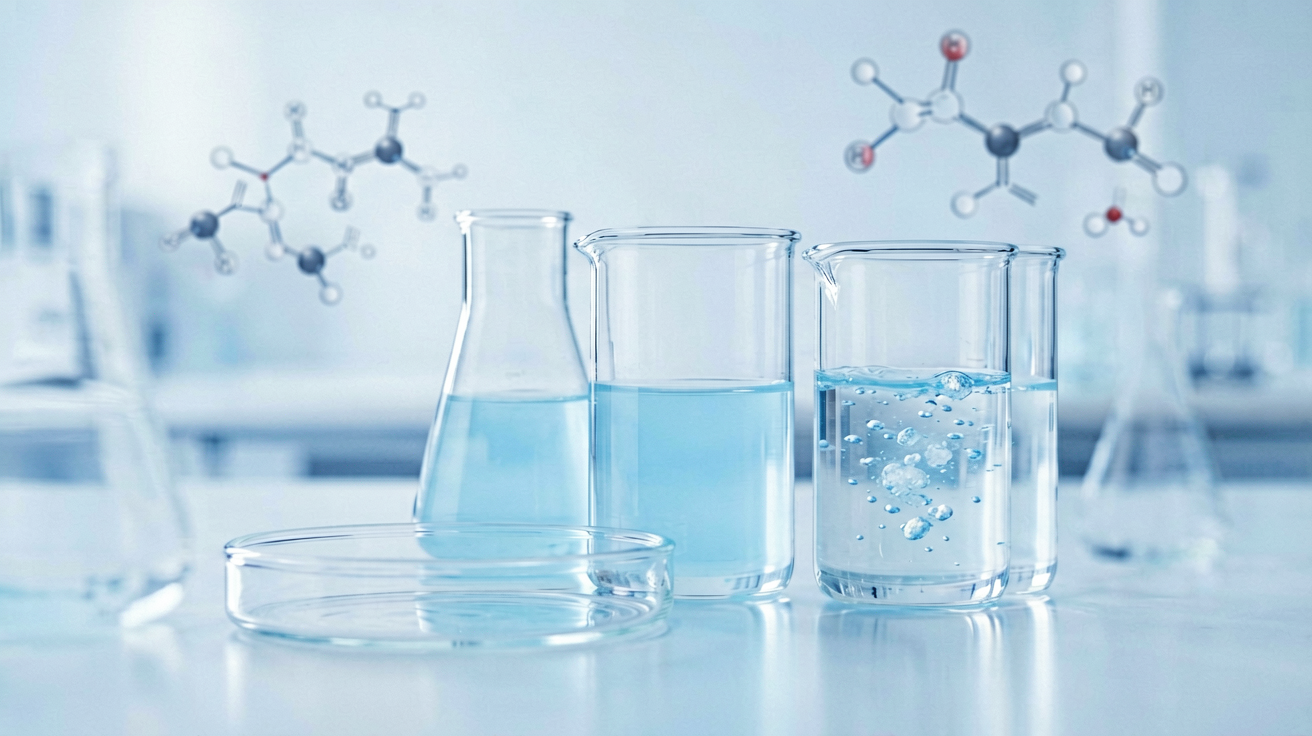
The Skin Ecosystem Revolution
The skin microbiome has emerged as the most transformative frontier in cosmetic science, with the global skin microbiome modulators market projected to reach USD 2.97 billion by 2030 (BIS Research). In China alone, the microecological skincare segment has grown from a niche concept to a mainstream category, with biotech-derived ingredients now accounting for 23.3% of all cosmetic raw materials — up from just 6.7% three years ago, according to the 2026 China Functional Skincare Industry White Paper by Shangpu Consulting.
This rapid growth is not driven by marketing gimmicks. It is fueled by a fundamental shift in dermatological understanding: the skin is not a sterile surface to be stripped and disinfected, but a living ecosystem hosting over one trillion microorganisms across more than 1,000 species. When this ecosystem is balanced, the skin defends, repairs, and glows on its own. When it is disrupted — by harsh cleansers, over-exfoliation, antibiotics, or environmental stress — the consequences manifest as barrier dysfunction, chronic inflammation, and recalcitrant conditions like acne, rosacea, and atopic dermatitis.
The Microbiome-Beauty Connection: Evidence Beyond the Hype
The science connecting skin microbiota to visible skin health is now well-established. A landmark 2022 study published in the Journal of the European Academy of Dermatology and Venereology (JEADV) demonstrated that patients with acne consistently show reduced microbial diversity on facial skin, with Cutibacterium acnes phylotype IA1 dominating at the expense of protective commensals like Staphylococcus epidermidis (Dagnelie et al., 2022). Separately, research published in Nature Microbiology mapped the facial skin microbiome across 495 individuals and found that microbial community structure, not just abundance, predicted skin moisture levels and barrier integrity better than genetic or lifestyle factors alone (Chen et al., 2023).
What makes this clinically meaningful is the causal evidence. A randomized, double-blind, placebo-controlled trial in the British Journal of Dermatology showed that topical application of a Bifidobacterium longum lysate reduced transepidermal water loss (TEWL) by 18.3% compared to placebo after 8 weeks in subjects with sensitive skin, with significant improvements in clinical redness scores (Guéniche et al., 2020). Similarly, a 2023 study in Experimental Dermatology found that Lactobacillus plantarum-derived postbiotic extracts upregulated filaggrin expression by 2.4-fold in reconstructed human epidermis, directly supporting barrier protein synthesis.
The Triple Taxonomy: Probiotics, Prebiotics, Postbiotics
To navigate this category, a precise understanding of the terminology is essential. The International Scientific Association for Probiotics and Prebiotics (ISAPP) provides the definitive consensus definitions, updated in 2021.
Probiotics in skincare refer to live beneficial microorganisms — typically strains of Lactobacillus, Bifidobacterium, or Vitreoscilla — applied topically to restore microbial balance. However, the practical limitations are significant: formulations must keep the organisms alive through manufacturing, storage, and application, which restricts preservative systems and shelf stability.
Prebiotics are the nutrient substrates that selectively feed beneficial microbes while starving pathogens. In cosmetic formulations, these include inulin, fructooligosaccharides (FOS), alpha-glucan oligosaccharides, and certain thermal spring water fractions. A 2024 review in the International Journal of Cosmetic Science identified over 45 prebiotic ingredients currently used in commercial skincare products, with alpha-glucan oligosaccharides showing the strongest in vitro selectivity for Staphylococcus epidermidis over Staphylococcus aureus (Lopes et al., 2024).
Postbiotics represent the most commercially viable and scientifically promising category. Defined as “preparations of inanimate microorganisms and/or their components that confer a health benefit on the host” (ISAPP, 2021), postbiotics bypass the stability challenges of live probiotics while delivering the functional bioactive molecules — cell wall fragments, peptides, organic acids, enzymes, and exopolysaccharides — that directly modulate skin biology.
Market Dynamics: 2026 Landscape
The commercial translation of microbiome science is accelerating. Industry analysis firm Kline & Company reported that microbiome-focused skincare product launches grew by 37% year-over-year in 2025, with Asia-Pacific accounting for 52% of global innovation in the category. Key brands driving this trend include:
- Lancôme (Advanced Génifique) — Bifida Ferment Lysate, supported by 15+ clinical studies
- Estée Lauder (Advanced Night Repair) — Bifida Ferment Lysate + Lactobacillus Ferment
- SK-II (Facial Treatment Essence) — Galactomyces Ferment Filtrate (Pitera), with published data on barrier strengthening
- Dr.Jart+ (Cicapair) — Centella Asiatica + proprietary microbiome complex targeting redness-prone skin
- Mother Dirt (AO+ Mist) — Live Ammonia-Oxidizing Bacteria, one of the first live probiotic topical products
Perhaps most telling is the investment signal. In April 2025, L’Oréal announced a strategic partnership with Micreos, a Dutch microbiome biotech company, to develop endolysin-based skincare targeting specific pathogenic bacteria while preserving the protective microbiome — essentially, a “smart antibiotic” for the skin. This follows L’Oréal’s 2023 acquisition of Lactobio, a Copenhagen-based probiotic research company, signaling that microbiome technology has moved from fringe science to core R&D for the world’s largest beauty company.
Clinical Mechanisms: How Postbiotics Work on Skin
Understanding the mechanisms clarifies why this category has staying power beyond trend cycles.
Antimicrobial Peptides (AMPs). Postbiotic extracts from Lactobacillus species contain bacteriocins and organic acids that selectively inhibit Staphylococcus aureus — a pathogen strongly associated with atopic dermatitis flares — while sparing commensal Staphylococcus epidermidis. A study in the Journal of Investigative Dermatology (2023) demonstrated that Lactobacillus rhamnosus postbiotic preparations reduced S. aureus colonization on reconstructed human epidermis by 94% without affecting beneficial microbial populations.
Barrier Reinforcement. Postbiotic metabolites — particularly short-chain fatty acids (SCFAs) like butyrate and propionate — activate peroxisome proliferator-activated receptors (PPARs) in keratinocytes, stimulating the synthesis of ceramides, cholesterol, and free fatty acids — the three lipid classes that compose the skin barrier’s lamellar structure. A clinical study published in the Journal of Cosmetic Dermatology (2024) showed that a 5% postbiotic ferment filtrate cream increased stratum corneum ceramide content by 27.3% after 4 weeks of twice-daily application.
Immunomodulation. Skin-resident commensals communicate with the immune system through Toll-like receptor (TLR) signaling. Postbiotic cell wall fragments from Bifidobacterium species have been shown to induce regulatory T-cell (Treg) differentiation, dampening the Th2-skewed immune response that drives atopic dermatitis and other inflammatory skin conditions (Scharschmidt et al., 2024, Science Translational Medicine).
The Southeast Asian Opportunity
For the Southeast Asian market — where melasyl.com operates — the microbiome category presents unique opportunities. The region’s hot, humid climate creates conditions where traditional heavy emollients fail and microbiome disruption from frequent cleansing is common. A 2025 consumer survey by Mintel across Indonesia, Thailand, Vietnam, and the Philippines found that 47% of skincare consumers expressed interest in “barrier-friendly” products, and 34% specifically recognized the term “microbiome” — up from 18% just two years earlier.
Furthermore, Southeast Asian consumers have higher rates of skin sensitivity: the International Contact Dermatitis Research Group estimates that 22-28% of Southeast Asian adults report sensitive or reactive skin, compared to 15-18% in European populations. This creates a natural product-market fit for microbiome-balancing formulations that prioritize barrier repair and inflammation reduction over aggressive active ingredients.
Formulation Challenges and Emerging Solutions
Despite the promise, formulating for the microbiome category presents distinct challenges. Preservation is the primary tension: products must remain microbiologically stable (free from pathogenic contamination) while avoiding preservatives that disrupt the skin’s resident microbiome upon application. Industry responses include:
- Hurdle technology: combining low-concentration preservatives with chelating agents and pH control to achieve microbial safety without broad-spectrum biocide effects
- Postbiotic preservation: using fermented ingredients that contain natural antimicrobial peptides as co-preservatives
- Airless packaging: minimizing preservative load by eliminating in-use contamination risk
The regulatory landscape is also evolving. In 2024, the European Commission’s Scientific Committee on Consumer Safety (SCCS) issued guidance clarifying that postbiotic ingredients from well-characterized, food-grade microorganisms with established safety profiles are acceptable in cosmetic products under existing regulations, eliminating a significant barrier to market entry for European brands.
Future Trajectory: What Comes After Postbiotics?
The field is not standing still. Three developments are shaping the next phase of microbiome skincare:
Personalized Microbiome Diagnostics. Companies like Sequential Bio and HelloBiome have launched at-home skin microbiome testing kits that analyze the user’s unique microbial profile and recommend tailored products — bringing the precision medicine paradigm to cosmetics.
Phage Therapy in Skincare. Bacteriophages — viruses that specifically kill target bacteria — offer the possibility of eliminating pathogenic strains (like acne-associated C. acnes phylotypes) without disrupting beneficial flora. Early clinical data from a phase II trial of a topical C. acnes phage preparation showed a 42% reduction in inflammatory acne lesions at 12 weeks (Brown et al., 2025).
Synthetic Biology for Designer Postbiotics. Startups like Arcaea and S-Biomedic are engineering microorganisms to produce specific bioactive peptides, enzymes, and signaling molecules that target defined skin biology pathways, moving from generic ferments to purpose-built postbiotic actives with predictable, validated efficacy.
Conclusion: A Permanent Paradigm, Not a Passing Trend
The skin microbiome represents more than the latest ingredient trend — it is a fundamental reconceptualization of how we approach skin health. The clinical evidence base is now mature, with over 200 published studies linking microbiome modulation to measurable improvements in barrier function, inflammation, and visible skin quality. The market momentum is undeniable, with double-digit growth rates and major industry investment. And the formulation technology has advanced sufficiently to deliver stable, efficacious products at commercial scale.
For brands and formulators in the brightening and hyperpigmentation space — our core focus at Melasyl Skin Tech Lab — the microbiome lens offers a complementary pathway. Barrier disruption is both a cause and a consequence of hyperpigmentation: impaired barrier function increases melanocyte stimulation through chronic low-grade inflammation, while many aggressive brightening treatments (high-concentration acids, retinoids) transiently compromise barrier integrity. Integrating microbiome-balancing postbiotics into brightening protocols may therefore enhance both efficacy and tolerability — a hypothesis increasingly supported by emerging clinical evidence.
The skin is an ecosystem. Treat it like one, and the results follow.
Interested in Formulation Data Collaboration?
Let's discuss how Melasyl AI can accelerate your next whitening or brightening formula. Technical collaboration, data licensing, or custom AI-driven research — reach out.
Contact Wei →