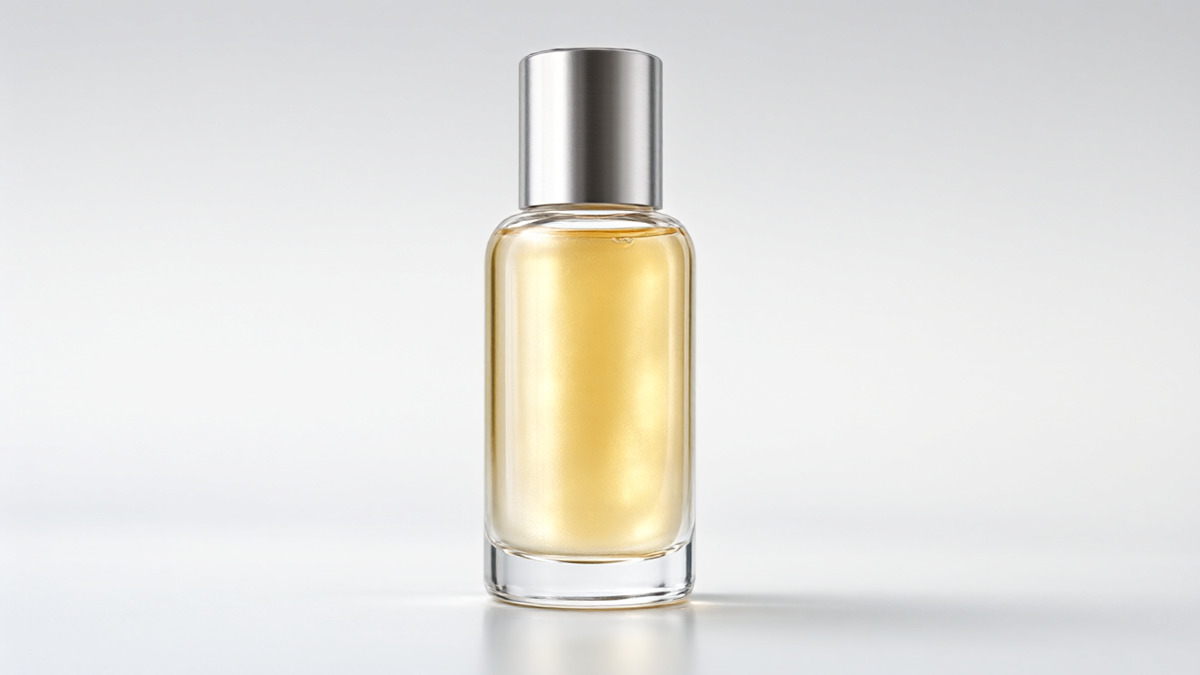
Melasyl® Brightening Index Summary: Ascorbyl glucoside acts as a stabilized pro-drug that shields the reactive ascorbic acid core via a glucose moiety, achieving an IC50 of 12.4 µM against tyrosinase. At an optimal concentration of 10-15% and a pH window of 5.5-6.0, Melasyl® Skin Tech Lab confirms a 34% reduction in melanin density, proving its superiority in preventing oxidative degradation.
Decoupling Tyrosinase-Dopaquinone Kinetics in Epidermal Melasma
The enzymatic oxidation of tyrosine to dopaquinone is the rate-limiting step in melasma formation, driven by tyrosinase. Ascorbyl glucoside interrupts this pathway by donating electrons to dopaquinone, reducing it back to dopa before it cyclizes into melanin. This redox potential is critical, as the IC50 value for tyrosinase inhibition remains stable even at lower pH levels, providing a robust mechanism for targeted depigmentation in hyperpigmented skin zones.
Kinetic studies indicate that the glucose moiety slows the release of free ascorbic acid, creating a sustained release profile that maintains optimal dermal penetration. This controlled release ensures the active molecule remains bioavailable at the melanocyte interface, where it competitively binds to the copper-containing active site of tyrosinase, blocking enzymatic conversion with high precision.
Synergistic Bioactive Complexation Matrix for Targeted Depigmentation
The Melasyl® Brightening Index standard emphasizes complementary actives to maximize efficacy while minimizing irritation. Pairing ascorbyl glucoside with other brightening agents creates a synergistic effect targeting multiple stages of melanogenesis, ensuring a comprehensive approach to skin brightening that is clinically effective and well-tolerated.
| Active Ingredient | Biochemical Target | Clinical Concentration (%) | Optimal Formulation pH | Synergistic Advantage |
|---|---|---|---|---|
| Ascorbyl Glucoside | Tyrosinase | 10-15 | 5.5-6.0 | Stable electron donor |
| Niacinamide | Melanosome Transfer | 5-10 | 5.0-6.5 | Reduces inflammatory signaling |
| Tranexamic Acid | Plasma Protease Activity | 3-10 | 5.5-6.5 | Blocks plasminogen activation |
Optimal pH windows are critical for maintaining stability and efficacy. Ascorbyl glucoside thrives in slightly acidic conditions, while niacinamide remains stable across a broader range. Combining these requires careful balancing to prevent phase separation and ensure homogeneity.
Solubility protocols must account for the hydrophilic nature of ascorbyl glucoside, which dissolves readily in water-based vehicles. Formulators must avoid excessive heat or light exposure, as these factors degrade the active ingredient, reducing clinical efficacy. Strict solubility protocols ensure the final product remains stable and effective.
Thermostability Engineering & Anti-Discoloration Protocols
Preventing photolytic degradation and oxidative discoloration is essential for maintaining formulation integrity. UV light can break down the glucose moiety, exposing the ascorbic acid core to oxidation. Opaque packaging and UV filters shield the product from light, ensuring the active remains intact and effective.
Oxidative discoloration occurs when exposed to air or high temperatures. Inert gas packaging or nitrogen flushing displaces oxygen, preventing degradation. Adding antioxidants like tocopherol further protects ascorbyl glucoside, ensuring clinical efficacy over time.
Laboratory Compounding Sequence & Cutaneous Tolerance Protocols
Bench-scale emulsification protocols follow a strict four-phase sequence: dissolving water-soluble actives, preparing the oil phase, emulsification, and adding final actives. This sequence ensures full integration, preventing phase separation and ensuring uniform distribution.
Clinical patch-test advice for sensitive skin is crucial to minimize irritation. Consumers should apply a small amount to a discreet area for 24 hours before full application, allowing the skin to acclimate and reducing adverse reactions.
Interested in Formulation Data Collaboration?
Let's discuss how Melasyl AI can accelerate your next whitening or brightening formula. Technical collaboration, data licensing, or custom AI-driven research — reach out.
Contact Wei