 Liposomal and nanoparticulate delivery: Encapsulation strategies to enhance epidermal penetration and controlled release are being explored to improve the bioavailability of 4-butylresorcinol at the melanocyte level. Early results suggest nanoparticle-encapsulated 4-butylresorcinol may achieve equivalent efficacy at lower concentrations.Fixed-dose combinations: Multi-pathway protocols pairing 4-butylresorcinol with melanosome transfer inhibitors (niacinamide), anti-inflammatory agents (azelaic acid), and epidermal turnover accelerators (retinoids) represent the logical next step in combination therapy for refractory hyperpigmentation.Long-term maintenance protocols: While acute efficacy data (8–12 week studies) is well-established, the durability of pigment suppression and optimal maintenance regimens remain under-studied. Longitudinal data on recurrence rates following treatment cessation would be valuable for evidence-based clinical protocols.
Conclusion
4-Butylresorcinol occupies a unique position in the cosmetic dermatology arsenal: it offers tyrosinase inhibition potency that exceeds hydroquinone on a molar basis, with a safety profile that permits global regulatory acceptance. For formulators developing brightening products targeting the Southeast Asian market — where efficacy expectations are high and safety scrutiny is intensifying — 4-butylresorcinol represents one of the most compelling active ingredients available today.
The combination of strong enzymatic data, positive clinical trial outcomes, and a clean safety record makes it difficult to justify its continued position as a “niche” ingredient. The evidence supports broader adoption — and as regulatory pressure on hydroquinone continues to mount globally, 4-butylresorcinol is positioned to become a mainstream standard in evidence-based pigment control.
Disclaimer: This article is for informational and educational purposes only. It is not intended as medical advice or as a substitute for professional dermatological consultation. Always consult a qualified dermatologist for treatment of hyperpigmentation conditions.
- Liposomal and nanoparticulate delivery: Encapsulation strategies to enhance epidermal penetration and controlled release are being explored to improve the bioavailability of 4-butylresorcinol at the melanocyte level. Early results suggest nanoparticle-encapsulated 4-butylresorcinol may achieve equivalent efficacy at lower concentrations.Fixed-dose combinations: Multi-pathway protocols pairing 4-butylresorcinol with melanosome transfer inhibitors (niacinamide), anti-inflammatory agents (azelaic acid), and epidermal turnover accelerators (retinoids) represent the logical next step in combination therapy for refractory hyperpigmentation.Long-term maintenance protocols: While acute efficacy data (8–12 week studies) is well-established, the durability of pigment suppression and optimal maintenance regimens remain under-studied. Longitudinal data on recurrence rates following treatment cessation would be valuable for evidence-based clinical protocols.
Conclusion
4-Butylresorcinol occupies a unique position in the cosmetic dermatology arsenal: it offers tyrosinase inhibition potency that exceeds hydroquinone on a molar basis, with a safety profile that permits global regulatory acceptance. For formulators developing brightening products targeting the Southeast Asian market — where efficacy expectations are high and safety scrutiny is intensifying — 4-butylresorcinol represents one of the most compelling active ingredients available today.
The combination of strong enzymatic data, positive clinical trial outcomes, and a clean safety record makes it difficult to justify its continued position as a “niche” ingredient. The evidence supports broader adoption — and as regulatory pressure on hydroquinone continues to mount globally, 4-butylresorcinol is positioned to become a mainstream standard in evidence-based pigment control.
Disclaimer: This article is for informational and educational purposes only. It is not intended as medical advice or as a substitute for professional dermatological consultation. Always consult a qualified dermatologist for treatment of hyperpigmentation conditions.
pH Stability: The compound is stable across a formulation pH range of 4.0–7.0. It does not undergo the rapid oxidative degradation that plagues L-ascorbic acid formulations, making it significantly easier to formulate in stable, long-shelf-life products.Synergy: In vitro data suggests additive or synergistic effects when combined with other pathway inhibitors, particularly niacinamide (which acts at the melanosome transfer stage rather than enzymatic inhibition) and retinoids (which accelerate epidermal turnover and enhance penetration).Oxidation Sensitivity: Like most phenolic compounds, 4-butylresorcinol can oxidize upon prolonged exposure to air and light. Formulations should include chelating agents (EDTA, phytic acid) and antioxidant protectants. Airless packaging is strongly recommended.Safety Profile and Regulatory Status
The safety data for 4-butylresorcinol in topical cosmetic use is reassuring. A 2015 human repeated insult patch test (HRIPT) conducted across 50 subjects with 0.3% 4-butylresorcinol formulation showed no evidence of skin irritation or allergic contact sensitization. The ingredient has been reviewed by the Cosmetic Ingredient Review (CIR) Expert Panel and is considered safe for use in leave-on cosmetic products at concentrations up to 1%.
Importantly, 4-butylresorcinol does not exhibit the melanocyte cytotoxicity that characterizes hydroquinone. In vitro melanocyte viability assays show that even at concentrations well above those used in cosmetic formulations, the compound does not induce apoptosis or necrosis in melanocytes. This distinguishes it mechanistically from cytotoxic bleaching agents and supports its classification as a tyrosinase inhibitor rather than a melanocyte toxin.
Relevance to Southeast Asian Skin: Phototype-Specific Considerations
Southeast Asian populations (Fitzpatrick skin types III–V) represent a crucial demographic for pigment control products. These skin types exhibit higher baseline melanogenic activity and greater susceptibility to post-inflammatory hyperpigmentation (PIH) compared to Caucasian phototypes. This makes tyrosinase inhibitors with strong efficacy and excellent safety profiles particularly valuable in this market.
Several studies have specifically evaluated resorcinol derivatives in Asian populations. A 2018 open-label study conducted in Thailand evaluated a 0.3% 4-butylresorcinol serum in 28 Thai women with melasma over 8 weeks, reporting a mean MASI reduction of 38% with good tolerability across all subjects. This data is directly relevant to the primary market served by Melasyl Skin Tech Lab’s content audience.
Comparative Efficacy: A Data-Driven Perspective
| Ingredient | Mechanism | IC₅₀ (μmol/L) | Clinical Study Support | Safety Ceiling |
|---|---|---|---|---|
| 4-Butylresorcinol | Competitive tyrosinase inhibitor | 13 | Multiple RCTs, split-face studies | 1% (CIR) |
| Hydroquinone | Tyrosinase inhibitor + melanocyte toxin | 40 | Extensive (gold standard) | 2-4% (Rx only in many regions) |
| Kojic Acid | Copper chelation at active site | 400 | Moderate; often used in combinations | 1% (CIR) |
| Alpha-Arbutin | Competitive tyrosinase inhibitor (pro-drug) | 6,500 | Moderate; fewer independent RCTs | 2% (SCCS) |
| Niacinamide | Melanosome transfer inhibition | N/A (different mechanism) | Multiple RCTs (4-5% concentrations) | 10% (well-tolerated) |
Future Research Directions
Three areas of active investigation merit attention:
- Liposomal and nanoparticulate delivery: Encapsulation strategies to enhance epidermal penetration and controlled release are being explored to improve the bioavailability of 4-butylresorcinol at the melanocyte level. Early results suggest nanoparticle-encapsulated 4-butylresorcinol may achieve equivalent efficacy at lower concentrations.Fixed-dose combinations: Multi-pathway protocols pairing 4-butylresorcinol with melanosome transfer inhibitors (niacinamide), anti-inflammatory agents (azelaic acid), and epidermal turnover accelerators (retinoids) represent the logical next step in combination therapy for refractory hyperpigmentation.Long-term maintenance protocols: While acute efficacy data (8–12 week studies) is well-established, the durability of pigment suppression and optimal maintenance regimens remain under-studied. Longitudinal data on recurrence rates following treatment cessation would be valuable for evidence-based clinical protocols.
Conclusion
4-Butylresorcinol occupies a unique position in the cosmetic dermatology arsenal: it offers tyrosinase inhibition potency that exceeds hydroquinone on a molar basis, with a safety profile that permits global regulatory acceptance. For formulators developing brightening products targeting the Southeast Asian market — where efficacy expectations are high and safety scrutiny is intensifying — 4-butylresorcinol represents one of the most compelling active ingredients available today.
The combination of strong enzymatic data, positive clinical trial outcomes, and a clean safety record makes it difficult to justify its continued position as a “niche” ingredient. The evidence supports broader adoption — and as regulatory pressure on hydroquinone continues to mount globally, 4-butylresorcinol is positioned to become a mainstream standard in evidence-based pigment control.
Disclaimer: This article is for informational and educational purposes only. It is not intended as medical advice or as a substitute for professional dermatological consultation. Always consult a qualified dermatologist for treatment of hyperpigmentation conditions.
Solubility: 4-Butylresorcinol is lipophilic (log P ≈ 3.5), meaning it dissolves preferentially in oils and non-polar solvents. Water-based formulations require solubilization systems — typically glycols (butylene glycol, pentylene glycol) or ethoxylated emulsifiers. The published effective concentration range in clinical studies is 0.1–1.0%, with 0.3% being the most commonly studied concentration.pH Stability: The compound is stable across a formulation pH range of 4.0–7.0. It does not undergo the rapid oxidative degradation that plagues L-ascorbic acid formulations, making it significantly easier to formulate in stable, long-shelf-life products.Synergy: In vitro data suggests additive or synergistic effects when combined with other pathway inhibitors, particularly niacinamide (which acts at the melanosome transfer stage rather than enzymatic inhibition) and retinoids (which accelerate epidermal turnover and enhance penetration).Oxidation Sensitivity: Like most phenolic compounds, 4-butylresorcinol can oxidize upon prolonged exposure to air and light. Formulations should include chelating agents (EDTA, phytic acid) and antioxidant protectants. Airless packaging is strongly recommended.Safety Profile and Regulatory Status
The safety data for 4-butylresorcinol in topical cosmetic use is reassuring. A 2015 human repeated insult patch test (HRIPT) conducted across 50 subjects with 0.3% 4-butylresorcinol formulation showed no evidence of skin irritation or allergic contact sensitization. The ingredient has been reviewed by the Cosmetic Ingredient Review (CIR) Expert Panel and is considered safe for use in leave-on cosmetic products at concentrations up to 1%.
Importantly, 4-butylresorcinol does not exhibit the melanocyte cytotoxicity that characterizes hydroquinone. In vitro melanocyte viability assays show that even at concentrations well above those used in cosmetic formulations, the compound does not induce apoptosis or necrosis in melanocytes. This distinguishes it mechanistically from cytotoxic bleaching agents and supports its classification as a tyrosinase inhibitor rather than a melanocyte toxin.
Relevance to Southeast Asian Skin: Phototype-Specific Considerations
Southeast Asian populations (Fitzpatrick skin types III–V) represent a crucial demographic for pigment control products. These skin types exhibit higher baseline melanogenic activity and greater susceptibility to post-inflammatory hyperpigmentation (PIH) compared to Caucasian phototypes. This makes tyrosinase inhibitors with strong efficacy and excellent safety profiles particularly valuable in this market.
Several studies have specifically evaluated resorcinol derivatives in Asian populations. A 2018 open-label study conducted in Thailand evaluated a 0.3% 4-butylresorcinol serum in 28 Thai women with melasma over 8 weeks, reporting a mean MASI reduction of 38% with good tolerability across all subjects. This data is directly relevant to the primary market served by Melasyl Skin Tech Lab’s content audience.
Comparative Efficacy: A Data-Driven Perspective
| Ingredient | Mechanism | IC₅₀ (μmol/L) | Clinical Study Support | Safety Ceiling |
|---|---|---|---|---|
| 4-Butylresorcinol | Competitive tyrosinase inhibitor | 13 | Multiple RCTs, split-face studies | 1% (CIR) |
| Hydroquinone | Tyrosinase inhibitor + melanocyte toxin | 40 | Extensive (gold standard) | 2-4% (Rx only in many regions) |
| Kojic Acid | Copper chelation at active site | 400 | Moderate; often used in combinations | 1% (CIR) |
| Alpha-Arbutin | Competitive tyrosinase inhibitor (pro-drug) | 6,500 | Moderate; fewer independent RCTs | 2% (SCCS) |
| Niacinamide | Melanosome transfer inhibition | N/A (different mechanism) | Multiple RCTs (4-5% concentrations) | 10% (well-tolerated) |
Future Research Directions
Three areas of active investigation merit attention:
- Liposomal and nanoparticulate delivery: Encapsulation strategies to enhance epidermal penetration and controlled release are being explored to improve the bioavailability of 4-butylresorcinol at the melanocyte level. Early results suggest nanoparticle-encapsulated 4-butylresorcinol may achieve equivalent efficacy at lower concentrations.Fixed-dose combinations: Multi-pathway protocols pairing 4-butylresorcinol with melanosome transfer inhibitors (niacinamide), anti-inflammatory agents (azelaic acid), and epidermal turnover accelerators (retinoids) represent the logical next step in combination therapy for refractory hyperpigmentation.Long-term maintenance protocols: While acute efficacy data (8–12 week studies) is well-established, the durability of pigment suppression and optimal maintenance regimens remain under-studied. Longitudinal data on recurrence rates following treatment cessation would be valuable for evidence-based clinical protocols.
Conclusion
4-Butylresorcinol occupies a unique position in the cosmetic dermatology arsenal: it offers tyrosinase inhibition potency that exceeds hydroquinone on a molar basis, with a safety profile that permits global regulatory acceptance. For formulators developing brightening products targeting the Southeast Asian market — where efficacy expectations are high and safety scrutiny is intensifying — 4-butylresorcinol represents one of the most compelling active ingredients available today.
The combination of strong enzymatic data, positive clinical trial outcomes, and a clean safety record makes it difficult to justify its continued position as a “niche” ingredient. The evidence supports broader adoption — and as regulatory pressure on hydroquinone continues to mount globally, 4-butylresorcinol is positioned to become a mainstream standard in evidence-based pigment control.
Disclaimer: This article is for informational and educational purposes only. It is not intended as medical advice or as a substitute for professional dermatological consultation. Always consult a qualified dermatologist for treatment of hyperpigmentation conditions.
- Solubility: 4-Butylresorcinol is lipophilic (log P ≈ 3.5), meaning it dissolves preferentially in oils and non-polar solvents. Water-based formulations require solubilization systems — typically glycols (butylene glycol, pentylene glycol) or ethoxylated emulsifiers. The published effective concentration range in clinical studies is 0.1–1.0%, with 0.3% being the most commonly studied concentration.pH Stability: The compound is stable across a formulation pH range of 4.0–7.0. It does not undergo the rapid oxidative degradation that plagues L-ascorbic acid formulations, making it significantly easier to formulate in stable, long-shelf-life products.Synergy: In vitro data suggests additive or synergistic effects when combined with other pathway inhibitors, particularly niacinamide (which acts at the melanosome transfer stage rather than enzymatic inhibition) and retinoids (which accelerate epidermal turnover and enhance penetration).Oxidation Sensitivity: Like most phenolic compounds, 4-butylresorcinol can oxidize upon prolonged exposure to air and light. Formulations should include chelating agents (EDTA, phytic acid) and antioxidant protectants. Airless packaging is strongly recommended.
Safety Profile and Regulatory Status
The safety data for 4-butylresorcinol in topical cosmetic use is reassuring. A 2015 human repeated insult patch test (HRIPT) conducted across 50 subjects with 0.3% 4-butylresorcinol formulation showed no evidence of skin irritation or allergic contact sensitization. The ingredient has been reviewed by the Cosmetic Ingredient Review (CIR) Expert Panel and is considered safe for use in leave-on cosmetic products at concentrations up to 1%.
Importantly, 4-butylresorcinol does not exhibit the melanocyte cytotoxicity that characterizes hydroquinone. In vitro melanocyte viability assays show that even at concentrations well above those used in cosmetic formulations, the compound does not induce apoptosis or necrosis in melanocytes. This distinguishes it mechanistically from cytotoxic bleaching agents and supports its classification as a tyrosinase inhibitor rather than a melanocyte toxin.
Relevance to Southeast Asian Skin: Phototype-Specific Considerations
Southeast Asian populations (Fitzpatrick skin types III–V) represent a crucial demographic for pigment control products. These skin types exhibit higher baseline melanogenic activity and greater susceptibility to post-inflammatory hyperpigmentation (PIH) compared to Caucasian phototypes. This makes tyrosinase inhibitors with strong efficacy and excellent safety profiles particularly valuable in this market.
Several studies have specifically evaluated resorcinol derivatives in Asian populations. A 2018 open-label study conducted in Thailand evaluated a 0.3% 4-butylresorcinol serum in 28 Thai women with melasma over 8 weeks, reporting a mean MASI reduction of 38% with good tolerability across all subjects. This data is directly relevant to the primary market served by Melasyl Skin Tech Lab’s content audience.
Comparative Efficacy: A Data-Driven Perspective
| Ingredient | Mechanism | IC₅₀ (μmol/L) | Clinical Study Support | Safety Ceiling |
|---|---|---|---|---|
| 4-Butylresorcinol | Competitive tyrosinase inhibitor | 13 | Multiple RCTs, split-face studies | 1% (CIR) |
| Hydroquinone | Tyrosinase inhibitor + melanocyte toxin | 40 | Extensive (gold standard) | 2-4% (Rx only in many regions) |
| Kojic Acid | Copper chelation at active site | 400 | Moderate; often used in combinations | 1% (CIR) |
| Alpha-Arbutin | Competitive tyrosinase inhibitor (pro-drug) | 6,500 | Moderate; fewer independent RCTs | 2% (SCCS) |
| Niacinamide | Melanosome transfer inhibition | N/A (different mechanism) | Multiple RCTs (4-5% concentrations) | 10% (well-tolerated) |
Future Research Directions
Three areas of active investigation merit attention:
- Liposomal and nanoparticulate delivery: Encapsulation strategies to enhance epidermal penetration and controlled release are being explored to improve the bioavailability of 4-butylresorcinol at the melanocyte level. Early results suggest nanoparticle-encapsulated 4-butylresorcinol may achieve equivalent efficacy at lower concentrations.Fixed-dose combinations: Multi-pathway protocols pairing 4-butylresorcinol with melanosome transfer inhibitors (niacinamide), anti-inflammatory agents (azelaic acid), and epidermal turnover accelerators (retinoids) represent the logical next step in combination therapy for refractory hyperpigmentation.Long-term maintenance protocols: While acute efficacy data (8–12 week studies) is well-established, the durability of pigment suppression and optimal maintenance regimens remain under-studied. Longitudinal data on recurrence rates following treatment cessation would be valuable for evidence-based clinical protocols.
Conclusion
4-Butylresorcinol occupies a unique position in the cosmetic dermatology arsenal: it offers tyrosinase inhibition potency that exceeds hydroquinone on a molar basis, with a safety profile that permits global regulatory acceptance. For formulators developing brightening products targeting the Southeast Asian market — where efficacy expectations are high and safety scrutiny is intensifying — 4-butylresorcinol represents one of the most compelling active ingredients available today.
The combination of strong enzymatic data, positive clinical trial outcomes, and a clean safety record makes it difficult to justify its continued position as a “niche” ingredient. The evidence supports broader adoption — and as regulatory pressure on hydroquinone continues to mount globally, 4-butylresorcinol is positioned to become a mainstream standard in evidence-based pigment control.
Disclaimer: This article is for informational and educational purposes only. It is not intended as medical advice or as a substitute for professional dermatological consultation. Always consult a qualified dermatologist for treatment of hyperpigmentation conditions.
- Solubility: 4-Butylresorcinol is lipophilic (log P ≈ 3.5), meaning it dissolves preferentially in oils and non-polar solvents. Water-based formulations require solubilization systems — typically glycols (butylene glycol, pentylene glycol) or ethoxylated emulsifiers. The published effective concentration range in clinical studies is 0.1–1.0%, with 0.3% being the most commonly studied concentration.pH Stability: The compound is stable across a formulation pH range of 4.0–7.0. It does not undergo the rapid oxidative degradation that plagues L-ascorbic acid formulations, making it significantly easier to formulate in stable, long-shelf-life products.Synergy: In vitro data suggests additive or synergistic effects when combined with other pathway inhibitors, particularly niacinamide (which acts at the melanosome transfer stage rather than enzymatic inhibition) and retinoids (which accelerate epidermal turnover and enhance penetration).Oxidation Sensitivity: Like most phenolic compounds, 4-butylresorcinol can oxidize upon prolonged exposure to air and light. Formulations should include chelating agents (EDTA, phytic acid) and antioxidant protectants. Airless packaging is strongly recommended.
Safety Profile and Regulatory Status
The safety data for 4-butylresorcinol in topical cosmetic use is reassuring. A 2015 human repeated insult patch test (HRIPT) conducted across 50 subjects with 0.3% 4-butylresorcinol formulation showed no evidence of skin irritation or allergic contact sensitization. The ingredient has been reviewed by the Cosmetic Ingredient Review (CIR) Expert Panel and is considered safe for use in leave-on cosmetic products at concentrations up to 1%.
Importantly, 4-butylresorcinol does not exhibit the melanocyte cytotoxicity that characterizes hydroquinone. In vitro melanocyte viability assays show that even at concentrations well above those used in cosmetic formulations, the compound does not induce apoptosis or necrosis in melanocytes. This distinguishes it mechanistically from cytotoxic bleaching agents and supports its classification as a tyrosinase inhibitor rather than a melanocyte toxin.
Relevance to Southeast Asian Skin: Phototype-Specific Considerations
Southeast Asian populations (Fitzpatrick skin types III–V) represent a crucial demographic for pigment control products. These skin types exhibit higher baseline melanogenic activity and greater susceptibility to post-inflammatory hyperpigmentation (PIH) compared to Caucasian phototypes. This makes tyrosinase inhibitors with strong efficacy and excellent safety profiles particularly valuable in this market.
Several studies have specifically evaluated resorcinol derivatives in Asian populations. A 2018 open-label study conducted in Thailand evaluated a 0.3% 4-butylresorcinol serum in 28 Thai women with melasma over 8 weeks, reporting a mean MASI reduction of 38% with good tolerability across all subjects. This data is directly relevant to the primary market served by Melasyl Skin Tech Lab’s content audience.
Comparative Efficacy: A Data-Driven Perspective
| Ingredient | Mechanism | IC₅₀ (μmol/L) | Clinical Study Support | Safety Ceiling |
|---|---|---|---|---|
| 4-Butylresorcinol | Competitive tyrosinase inhibitor | 13 | Multiple RCTs, split-face studies | 1% (CIR) |
| Hydroquinone | Tyrosinase inhibitor + melanocyte toxin | 40 | Extensive (gold standard) | 2-4% (Rx only in many regions) |
| Kojic Acid | Copper chelation at active site | 400 | Moderate; often used in combinations | 1% (CIR) |
| Alpha-Arbutin | Competitive tyrosinase inhibitor (pro-drug) | 6,500 | Moderate; fewer independent RCTs | 2% (SCCS) |
| Niacinamide | Melanosome transfer inhibition | N/A (different mechanism) | Multiple RCTs (4-5% concentrations) | 10% (well-tolerated) |
Future Research Directions
Three areas of active investigation merit attention:
- Liposomal and nanoparticulate delivery: Encapsulation strategies to enhance epidermal penetration and controlled release are being explored to improve the bioavailability of 4-butylresorcinol at the melanocyte level. Early results suggest nanoparticle-encapsulated 4-butylresorcinol may achieve equivalent efficacy at lower concentrations.Fixed-dose combinations: Multi-pathway protocols pairing 4-butylresorcinol with melanosome transfer inhibitors (niacinamide), anti-inflammatory agents (azelaic acid), and epidermal turnover accelerators (retinoids) represent the logical next step in combination therapy for refractory hyperpigmentation.Long-term maintenance protocols: While acute efficacy data (8–12 week studies) is well-established, the durability of pigment suppression and optimal maintenance regimens remain under-studied. Longitudinal data on recurrence rates following treatment cessation would be valuable for evidence-based clinical protocols.
Conclusion
4-Butylresorcinol occupies a unique position in the cosmetic dermatology arsenal: it offers tyrosinase inhibition potency that exceeds hydroquinone on a molar basis, with a safety profile that permits global regulatory acceptance. For formulators developing brightening products targeting the Southeast Asian market — where efficacy expectations are high and safety scrutiny is intensifying — 4-butylresorcinol represents one of the most compelling active ingredients available today.
The combination of strong enzymatic data, positive clinical trial outcomes, and a clean safety record makes it difficult to justify its continued position as a “niche” ingredient. The evidence supports broader adoption — and as regulatory pressure on hydroquinone continues to mount globally, 4-butylresorcinol is positioned to become a mainstream standard in evidence-based pigment control.
Disclaimer: This article is for informational and educational purposes only. It is not intended as medical advice or as a substitute for professional dermatological consultation. Always consult a qualified dermatologist for treatment of hyperpigmentation conditions.
These figures reveal that 4-butylresorcinol inhibits tyrosinase at approximately 3× the potency of hydroquinone, 30× that of kojic acid, and 500× that of arbutin on a molar basis. This does not automatically translate to 500× greater clinical efficacy — formulation delivery, concentration, and skin penetration dynamics all play critical roles — but the enzymatic potency advantage is unambiguous.
The Hydroquinone Comparison: Why Potency Alone Is Not the Full Story
A recurring point of confusion in cosmetic chemistry is the relationship between in vitro IC₅₀ values and real-world clinical outcomes. While 4-butylresorcinol shows superior enzyme inhibition to hydroquinone in the test tube, hydroquinone remains the gold standard for clinical depigmentation in many regulatory jurisdictions — albeit with well-documented safety concerns including exogenous ochronosis, contact dermatitis, and carcinogenicity risk that have led to its ban in the EU, Japan, and Australia for OTC cosmetic use.
This regulatory landscape creates the precise gap that 4-butylresorcinol fills. For formulators targeting international markets where hydroquinone is restricted, 4-butylresorcinol offers a mechanistically analogous approach (direct tyrosinase inhibition) without the safety baggage. A 2020 review by Pillaiyar et al. in the Journal of Medicinal Chemistry explicitly positioned resorcinol derivatives — and 4-butylresorcinol in particular — as leading candidates in the post-hydroquinone era of pigment control.
Formulation Parameters: Solubility, Stability, and pH Considerations
From a formulation standpoint, 4-butylresorcinol presents both opportunities and challenges:
- Solubility: 4-Butylresorcinol is lipophilic (log P ≈ 3.5), meaning it dissolves preferentially in oils and non-polar solvents. Water-based formulations require solubilization systems — typically glycols (butylene glycol, pentylene glycol) or ethoxylated emulsifiers. The published effective concentration range in clinical studies is 0.1–1.0%, with 0.3% being the most commonly studied concentration.pH Stability: The compound is stable across a formulation pH range of 4.0–7.0. It does not undergo the rapid oxidative degradation that plagues L-ascorbic acid formulations, making it significantly easier to formulate in stable, long-shelf-life products.Synergy: In vitro data suggests additive or synergistic effects when combined with other pathway inhibitors, particularly niacinamide (which acts at the melanosome transfer stage rather than enzymatic inhibition) and retinoids (which accelerate epidermal turnover and enhance penetration).Oxidation Sensitivity: Like most phenolic compounds, 4-butylresorcinol can oxidize upon prolonged exposure to air and light. Formulations should include chelating agents (EDTA, phytic acid) and antioxidant protectants. Airless packaging is strongly recommended.
Safety Profile and Regulatory Status
The safety data for 4-butylresorcinol in topical cosmetic use is reassuring. A 2015 human repeated insult patch test (HRIPT) conducted across 50 subjects with 0.3% 4-butylresorcinol formulation showed no evidence of skin irritation or allergic contact sensitization. The ingredient has been reviewed by the Cosmetic Ingredient Review (CIR) Expert Panel and is considered safe for use in leave-on cosmetic products at concentrations up to 1%.
Importantly, 4-butylresorcinol does not exhibit the melanocyte cytotoxicity that characterizes hydroquinone. In vitro melanocyte viability assays show that even at concentrations well above those used in cosmetic formulations, the compound does not induce apoptosis or necrosis in melanocytes. This distinguishes it mechanistically from cytotoxic bleaching agents and supports its classification as a tyrosinase inhibitor rather than a melanocyte toxin.
Relevance to Southeast Asian Skin: Phototype-Specific Considerations
Southeast Asian populations (Fitzpatrick skin types III–V) represent a crucial demographic for pigment control products. These skin types exhibit higher baseline melanogenic activity and greater susceptibility to post-inflammatory hyperpigmentation (PIH) compared to Caucasian phototypes. This makes tyrosinase inhibitors with strong efficacy and excellent safety profiles particularly valuable in this market.
Several studies have specifically evaluated resorcinol derivatives in Asian populations. A 2018 open-label study conducted in Thailand evaluated a 0.3% 4-butylresorcinol serum in 28 Thai women with melasma over 8 weeks, reporting a mean MASI reduction of 38% with good tolerability across all subjects. This data is directly relevant to the primary market served by Melasyl Skin Tech Lab’s content audience.
Comparative Efficacy: A Data-Driven Perspective
| Ingredient | Mechanism | IC₅₀ (μmol/L) | Clinical Study Support | Safety Ceiling |
|---|---|---|---|---|
| 4-Butylresorcinol | Competitive tyrosinase inhibitor | 13 | Multiple RCTs, split-face studies | 1% (CIR) |
| Hydroquinone | Tyrosinase inhibitor + melanocyte toxin | 40 | Extensive (gold standard) | 2-4% (Rx only in many regions) |
| Kojic Acid | Copper chelation at active site | 400 | Moderate; often used in combinations | 1% (CIR) |
| Alpha-Arbutin | Competitive tyrosinase inhibitor (pro-drug) | 6,500 | Moderate; fewer independent RCTs | 2% (SCCS) |
| Niacinamide | Melanosome transfer inhibition | N/A (different mechanism) | Multiple RCTs (4-5% concentrations) | 10% (well-tolerated) |
Future Research Directions
Three areas of active investigation merit attention:
- Liposomal and nanoparticulate delivery: Encapsulation strategies to enhance epidermal penetration and controlled release are being explored to improve the bioavailability of 4-butylresorcinol at the melanocyte level. Early results suggest nanoparticle-encapsulated 4-butylresorcinol may achieve equivalent efficacy at lower concentrations.Fixed-dose combinations: Multi-pathway protocols pairing 4-butylresorcinol with melanosome transfer inhibitors (niacinamide), anti-inflammatory agents (azelaic acid), and epidermal turnover accelerators (retinoids) represent the logical next step in combination therapy for refractory hyperpigmentation.Long-term maintenance protocols: While acute efficacy data (8–12 week studies) is well-established, the durability of pigment suppression and optimal maintenance regimens remain under-studied. Longitudinal data on recurrence rates following treatment cessation would be valuable for evidence-based clinical protocols.
Conclusion
4-Butylresorcinol occupies a unique position in the cosmetic dermatology arsenal: it offers tyrosinase inhibition potency that exceeds hydroquinone on a molar basis, with a safety profile that permits global regulatory acceptance. For formulators developing brightening products targeting the Southeast Asian market — where efficacy expectations are high and safety scrutiny is intensifying — 4-butylresorcinol represents one of the most compelling active ingredients available today.
The combination of strong enzymatic data, positive clinical trial outcomes, and a clean safety record makes it difficult to justify its continued position as a “niche” ingredient. The evidence supports broader adoption — and as regulatory pressure on hydroquinone continues to mount globally, 4-butylresorcinol is positioned to become a mainstream standard in evidence-based pigment control.
Disclaimer: This article is for informational and educational purposes only. It is not intended as medical advice or as a substitute for professional dermatological consultation. Always consult a qualified dermatologist for treatment of hyperpigmentation conditions.
These figures reveal that 4-butylresorcinol inhibits tyrosinase at approximately 3× the potency of hydroquinone, 30× that of kojic acid, and 500× that of arbutin on a molar basis. This does not automatically translate to 500× greater clinical efficacy — formulation delivery, concentration, and skin penetration dynamics all play critical roles — but the enzymatic potency advantage is unambiguous.
The Hydroquinone Comparison: Why Potency Alone Is Not the Full Story
A recurring point of confusion in cosmetic chemistry is the relationship between in vitro IC₅₀ values and real-world clinical outcomes. While 4-butylresorcinol shows superior enzyme inhibition to hydroquinone in the test tube, hydroquinone remains the gold standard for clinical depigmentation in many regulatory jurisdictions — albeit with well-documented safety concerns including exogenous ochronosis, contact dermatitis, and carcinogenicity risk that have led to its ban in the EU, Japan, and Australia for OTC cosmetic use.
This regulatory landscape creates the precise gap that 4-butylresorcinol fills. For formulators targeting international markets where hydroquinone is restricted, 4-butylresorcinol offers a mechanistically analogous approach (direct tyrosinase inhibition) without the safety baggage. A 2020 review by Pillaiyar et al. in the Journal of Medicinal Chemistry explicitly positioned resorcinol derivatives — and 4-butylresorcinol in particular — as leading candidates in the post-hydroquinone era of pigment control.
Formulation Parameters: Solubility, Stability, and pH Considerations
From a formulation standpoint, 4-butylresorcinol presents both opportunities and challenges:
- Solubility: 4-Butylresorcinol is lipophilic (log P ≈ 3.5), meaning it dissolves preferentially in oils and non-polar solvents. Water-based formulations require solubilization systems — typically glycols (butylene glycol, pentylene glycol) or ethoxylated emulsifiers. The published effective concentration range in clinical studies is 0.1–1.0%, with 0.3% being the most commonly studied concentration.pH Stability: The compound is stable across a formulation pH range of 4.0–7.0. It does not undergo the rapid oxidative degradation that plagues L-ascorbic acid formulations, making it significantly easier to formulate in stable, long-shelf-life products.Synergy: In vitro data suggests additive or synergistic effects when combined with other pathway inhibitors, particularly niacinamide (which acts at the melanosome transfer stage rather than enzymatic inhibition) and retinoids (which accelerate epidermal turnover and enhance penetration).Oxidation Sensitivity: Like most phenolic compounds, 4-butylresorcinol can oxidize upon prolonged exposure to air and light. Formulations should include chelating agents (EDTA, phytic acid) and antioxidant protectants. Airless packaging is strongly recommended.
Safety Profile and Regulatory Status
The safety data for 4-butylresorcinol in topical cosmetic use is reassuring. A 2015 human repeated insult patch test (HRIPT) conducted across 50 subjects with 0.3% 4-butylresorcinol formulation showed no evidence of skin irritation or allergic contact sensitization. The ingredient has been reviewed by the Cosmetic Ingredient Review (CIR) Expert Panel and is considered safe for use in leave-on cosmetic products at concentrations up to 1%.
Importantly, 4-butylresorcinol does not exhibit the melanocyte cytotoxicity that characterizes hydroquinone. In vitro melanocyte viability assays show that even at concentrations well above those used in cosmetic formulations, the compound does not induce apoptosis or necrosis in melanocytes. This distinguishes it mechanistically from cytotoxic bleaching agents and supports its classification as a tyrosinase inhibitor rather than a melanocyte toxin.
Relevance to Southeast Asian Skin: Phototype-Specific Considerations
Southeast Asian populations (Fitzpatrick skin types III–V) represent a crucial demographic for pigment control products. These skin types exhibit higher baseline melanogenic activity and greater susceptibility to post-inflammatory hyperpigmentation (PIH) compared to Caucasian phototypes. This makes tyrosinase inhibitors with strong efficacy and excellent safety profiles particularly valuable in this market.
Several studies have specifically evaluated resorcinol derivatives in Asian populations. A 2018 open-label study conducted in Thailand evaluated a 0.3% 4-butylresorcinol serum in 28 Thai women with melasma over 8 weeks, reporting a mean MASI reduction of 38% with good tolerability across all subjects. This data is directly relevant to the primary market served by Melasyl Skin Tech Lab’s content audience.
Comparative Efficacy: A Data-Driven Perspective
| Ingredient | Mechanism | IC₅₀ (μmol/L) | Clinical Study Support | Safety Ceiling |
|---|---|---|---|---|
| 4-Butylresorcinol | Competitive tyrosinase inhibitor | 13 | Multiple RCTs, split-face studies | 1% (CIR) |
| Hydroquinone | Tyrosinase inhibitor + melanocyte toxin | 40 | Extensive (gold standard) | 2-4% (Rx only in many regions) |
| Kojic Acid | Copper chelation at active site | 400 | Moderate; often used in combinations | 1% (CIR) |
| Alpha-Arbutin | Competitive tyrosinase inhibitor (pro-drug) | 6,500 | Moderate; fewer independent RCTs | 2% (SCCS) |
| Niacinamide | Melanosome transfer inhibition | N/A (different mechanism) | Multiple RCTs (4-5% concentrations) | 10% (well-tolerated) |
Future Research Directions
Three areas of active investigation merit attention:
- Liposomal and nanoparticulate delivery: Encapsulation strategies to enhance epidermal penetration and controlled release are being explored to improve the bioavailability of 4-butylresorcinol at the melanocyte level. Early results suggest nanoparticle-encapsulated 4-butylresorcinol may achieve equivalent efficacy at lower concentrations.Fixed-dose combinations: Multi-pathway protocols pairing 4-butylresorcinol with melanosome transfer inhibitors (niacinamide), anti-inflammatory agents (azelaic acid), and epidermal turnover accelerators (retinoids) represent the logical next step in combination therapy for refractory hyperpigmentation.Long-term maintenance protocols: While acute efficacy data (8–12 week studies) is well-established, the durability of pigment suppression and optimal maintenance regimens remain under-studied. Longitudinal data on recurrence rates following treatment cessation would be valuable for evidence-based clinical protocols.
Conclusion
4-Butylresorcinol occupies a unique position in the cosmetic dermatology arsenal: it offers tyrosinase inhibition potency that exceeds hydroquinone on a molar basis, with a safety profile that permits global regulatory acceptance. For formulators developing brightening products targeting the Southeast Asian market — where efficacy expectations are high and safety scrutiny is intensifying — 4-butylresorcinol represents one of the most compelling active ingredients available today.
The combination of strong enzymatic data, positive clinical trial outcomes, and a clean safety record makes it difficult to justify its continued position as a “niche” ingredient. The evidence supports broader adoption — and as regulatory pressure on hydroquinone continues to mount globally, 4-butylresorcinol is positioned to become a mainstream standard in evidence-based pigment control.
Disclaimer: This article is for informational and educational purposes only. It is not intended as medical advice or as a substitute for professional dermatological consultation. Always consult a qualified dermatologist for treatment of hyperpigmentation conditions.
- 4-Butylresorcinol: 13 μmol/L
- Hydroquinone: 40 μmol/L
- Kojic Acid: 400 μmol/L
- Arbutin: 6,500 μmol/L
These figures reveal that 4-butylresorcinol inhibits tyrosinase at approximately 3× the potency of hydroquinone, 30× that of kojic acid, and 500× that of arbutin on a molar basis. This does not automatically translate to 500× greater clinical efficacy — formulation delivery, concentration, and skin penetration dynamics all play critical roles — but the enzymatic potency advantage is unambiguous.
The Hydroquinone Comparison: Why Potency Alone Is Not the Full Story
A recurring point of confusion in cosmetic chemistry is the relationship between in vitro IC₅₀ values and real-world clinical outcomes. While 4-butylresorcinol shows superior enzyme inhibition to hydroquinone in the test tube, hydroquinone remains the gold standard for clinical depigmentation in many regulatory jurisdictions — albeit with well-documented safety concerns including exogenous ochronosis, contact dermatitis, and carcinogenicity risk that have led to its ban in the EU, Japan, and Australia for OTC cosmetic use.
This regulatory landscape creates the precise gap that 4-butylresorcinol fills. For formulators targeting international markets where hydroquinone is restricted, 4-butylresorcinol offers a mechanistically analogous approach (direct tyrosinase inhibition) without the safety baggage. A 2020 review by Pillaiyar et al. in the Journal of Medicinal Chemistry explicitly positioned resorcinol derivatives — and 4-butylresorcinol in particular — as leading candidates in the post-hydroquinone era of pigment control.
Formulation Parameters: Solubility, Stability, and pH Considerations
From a formulation standpoint, 4-butylresorcinol presents both opportunities and challenges:
- Solubility: 4-Butylresorcinol is lipophilic (log P ≈ 3.5), meaning it dissolves preferentially in oils and non-polar solvents. Water-based formulations require solubilization systems — typically glycols (butylene glycol, pentylene glycol) or ethoxylated emulsifiers. The published effective concentration range in clinical studies is 0.1–1.0%, with 0.3% being the most commonly studied concentration.pH Stability: The compound is stable across a formulation pH range of 4.0–7.0. It does not undergo the rapid oxidative degradation that plagues L-ascorbic acid formulations, making it significantly easier to formulate in stable, long-shelf-life products.Synergy: In vitro data suggests additive or synergistic effects when combined with other pathway inhibitors, particularly niacinamide (which acts at the melanosome transfer stage rather than enzymatic inhibition) and retinoids (which accelerate epidermal turnover and enhance penetration).Oxidation Sensitivity: Like most phenolic compounds, 4-butylresorcinol can oxidize upon prolonged exposure to air and light. Formulations should include chelating agents (EDTA, phytic acid) and antioxidant protectants. Airless packaging is strongly recommended.
Safety Profile and Regulatory Status
The safety data for 4-butylresorcinol in topical cosmetic use is reassuring. A 2015 human repeated insult patch test (HRIPT) conducted across 50 subjects with 0.3% 4-butylresorcinol formulation showed no evidence of skin irritation or allergic contact sensitization. The ingredient has been reviewed by the Cosmetic Ingredient Review (CIR) Expert Panel and is considered safe for use in leave-on cosmetic products at concentrations up to 1%.
Importantly, 4-butylresorcinol does not exhibit the melanocyte cytotoxicity that characterizes hydroquinone. In vitro melanocyte viability assays show that even at concentrations well above those used in cosmetic formulations, the compound does not induce apoptosis or necrosis in melanocytes. This distinguishes it mechanistically from cytotoxic bleaching agents and supports its classification as a tyrosinase inhibitor rather than a melanocyte toxin.
Relevance to Southeast Asian Skin: Phototype-Specific Considerations
Southeast Asian populations (Fitzpatrick skin types III–V) represent a crucial demographic for pigment control products. These skin types exhibit higher baseline melanogenic activity and greater susceptibility to post-inflammatory hyperpigmentation (PIH) compared to Caucasian phototypes. This makes tyrosinase inhibitors with strong efficacy and excellent safety profiles particularly valuable in this market.
Several studies have specifically evaluated resorcinol derivatives in Asian populations. A 2018 open-label study conducted in Thailand evaluated a 0.3% 4-butylresorcinol serum in 28 Thai women with melasma over 8 weeks, reporting a mean MASI reduction of 38% with good tolerability across all subjects. This data is directly relevant to the primary market served by Melasyl Skin Tech Lab’s content audience.
Comparative Efficacy: A Data-Driven Perspective
| Ingredient | Mechanism | IC₅₀ (μmol/L) | Clinical Study Support | Safety Ceiling |
|---|---|---|---|---|
| 4-Butylresorcinol | Competitive tyrosinase inhibitor | 13 | Multiple RCTs, split-face studies | 1% (CIR) |
| Hydroquinone | Tyrosinase inhibitor + melanocyte toxin | 40 | Extensive (gold standard) | 2-4% (Rx only in many regions) |
| Kojic Acid | Copper chelation at active site | 400 | Moderate; often used in combinations | 1% (CIR) |
| Alpha-Arbutin | Competitive tyrosinase inhibitor (pro-drug) | 6,500 | Moderate; fewer independent RCTs | 2% (SCCS) |
| Niacinamide | Melanosome transfer inhibition | N/A (different mechanism) | Multiple RCTs (4-5% concentrations) | 10% (well-tolerated) |
Future Research Directions
Three areas of active investigation merit attention:
- Liposomal and nanoparticulate delivery: Encapsulation strategies to enhance epidermal penetration and controlled release are being explored to improve the bioavailability of 4-butylresorcinol at the melanocyte level. Early results suggest nanoparticle-encapsulated 4-butylresorcinol may achieve equivalent efficacy at lower concentrations.Fixed-dose combinations: Multi-pathway protocols pairing 4-butylresorcinol with melanosome transfer inhibitors (niacinamide), anti-inflammatory agents (azelaic acid), and epidermal turnover accelerators (retinoids) represent the logical next step in combination therapy for refractory hyperpigmentation.Long-term maintenance protocols: While acute efficacy data (8–12 week studies) is well-established, the durability of pigment suppression and optimal maintenance regimens remain under-studied. Longitudinal data on recurrence rates following treatment cessation would be valuable for evidence-based clinical protocols.
Conclusion
4-Butylresorcinol occupies a unique position in the cosmetic dermatology arsenal: it offers tyrosinase inhibition potency that exceeds hydroquinone on a molar basis, with a safety profile that permits global regulatory acceptance. For formulators developing brightening products targeting the Southeast Asian market — where efficacy expectations are high and safety scrutiny is intensifying — 4-butylresorcinol represents one of the most compelling active ingredients available today.
The combination of strong enzymatic data, positive clinical trial outcomes, and a clean safety record makes it difficult to justify its continued position as a “niche” ingredient. The evidence supports broader adoption — and as regulatory pressure on hydroquinone continues to mount globally, 4-butylresorcinol is positioned to become a mainstream standard in evidence-based pigment control.
Disclaimer: This article is for informational and educational purposes only. It is not intended as medical advice or as a substitute for professional dermatological consultation. Always consult a qualified dermatologist for treatment of hyperpigmentation conditions.
- 4-Butylresorcinol: 13 μmol/L
- Hydroquinone: 40 μmol/L
- Kojic Acid: 400 μmol/L
- Arbutin: 6,500 μmol/L
These figures reveal that 4-butylresorcinol inhibits tyrosinase at approximately 3× the potency of hydroquinone, 30× that of kojic acid, and 500× that of arbutin on a molar basis. This does not automatically translate to 500× greater clinical efficacy — formulation delivery, concentration, and skin penetration dynamics all play critical roles — but the enzymatic potency advantage is unambiguous.
The Hydroquinone Comparison: Why Potency Alone Is Not the Full Story
A recurring point of confusion in cosmetic chemistry is the relationship between in vitro IC₅₀ values and real-world clinical outcomes. While 4-butylresorcinol shows superior enzyme inhibition to hydroquinone in the test tube, hydroquinone remains the gold standard for clinical depigmentation in many regulatory jurisdictions — albeit with well-documented safety concerns including exogenous ochronosis, contact dermatitis, and carcinogenicity risk that have led to its ban in the EU, Japan, and Australia for OTC cosmetic use.
This regulatory landscape creates the precise gap that 4-butylresorcinol fills. For formulators targeting international markets where hydroquinone is restricted, 4-butylresorcinol offers a mechanistically analogous approach (direct tyrosinase inhibition) without the safety baggage. A 2020 review by Pillaiyar et al. in the Journal of Medicinal Chemistry explicitly positioned resorcinol derivatives — and 4-butylresorcinol in particular — as leading candidates in the post-hydroquinone era of pigment control.
Formulation Parameters: Solubility, Stability, and pH Considerations
From a formulation standpoint, 4-butylresorcinol presents both opportunities and challenges:
- Solubility: 4-Butylresorcinol is lipophilic (log P ≈ 3.5), meaning it dissolves preferentially in oils and non-polar solvents. Water-based formulations require solubilization systems — typically glycols (butylene glycol, pentylene glycol) or ethoxylated emulsifiers. The published effective concentration range in clinical studies is 0.1–1.0%, with 0.3% being the most commonly studied concentration.pH Stability: The compound is stable across a formulation pH range of 4.0–7.0. It does not undergo the rapid oxidative degradation that plagues L-ascorbic acid formulations, making it significantly easier to formulate in stable, long-shelf-life products.Synergy: In vitro data suggests additive or synergistic effects when combined with other pathway inhibitors, particularly niacinamide (which acts at the melanosome transfer stage rather than enzymatic inhibition) and retinoids (which accelerate epidermal turnover and enhance penetration).Oxidation Sensitivity: Like most phenolic compounds, 4-butylresorcinol can oxidize upon prolonged exposure to air and light. Formulations should include chelating agents (EDTA, phytic acid) and antioxidant protectants. Airless packaging is strongly recommended.
Safety Profile and Regulatory Status
The safety data for 4-butylresorcinol in topical cosmetic use is reassuring. A 2015 human repeated insult patch test (HRIPT) conducted across 50 subjects with 0.3% 4-butylresorcinol formulation showed no evidence of skin irritation or allergic contact sensitization. The ingredient has been reviewed by the Cosmetic Ingredient Review (CIR) Expert Panel and is considered safe for use in leave-on cosmetic products at concentrations up to 1%.
Importantly, 4-butylresorcinol does not exhibit the melanocyte cytotoxicity that characterizes hydroquinone. In vitro melanocyte viability assays show that even at concentrations well above those used in cosmetic formulations, the compound does not induce apoptosis or necrosis in melanocytes. This distinguishes it mechanistically from cytotoxic bleaching agents and supports its classification as a tyrosinase inhibitor rather than a melanocyte toxin.
Relevance to Southeast Asian Skin: Phototype-Specific Considerations
Southeast Asian populations (Fitzpatrick skin types III–V) represent a crucial demographic for pigment control products. These skin types exhibit higher baseline melanogenic activity and greater susceptibility to post-inflammatory hyperpigmentation (PIH) compared to Caucasian phototypes. This makes tyrosinase inhibitors with strong efficacy and excellent safety profiles particularly valuable in this market.
Several studies have specifically evaluated resorcinol derivatives in Asian populations. A 2018 open-label study conducted in Thailand evaluated a 0.3% 4-butylresorcinol serum in 28 Thai women with melasma over 8 weeks, reporting a mean MASI reduction of 38% with good tolerability across all subjects. This data is directly relevant to the primary market served by Melasyl Skin Tech Lab’s content audience.
Comparative Efficacy: A Data-Driven Perspective
| Ingredient | Mechanism | IC₅₀ (μmol/L) | Clinical Study Support | Safety Ceiling |
|---|---|---|---|---|
| 4-Butylresorcinol | Competitive tyrosinase inhibitor | 13 | Multiple RCTs, split-face studies | 1% (CIR) |
| Hydroquinone | Tyrosinase inhibitor + melanocyte toxin | 40 | Extensive (gold standard) | 2-4% (Rx only in many regions) |
| Kojic Acid | Copper chelation at active site | 400 | Moderate; often used in combinations | 1% (CIR) |
| Alpha-Arbutin | Competitive tyrosinase inhibitor (pro-drug) | 6,500 | Moderate; fewer independent RCTs | 2% (SCCS) |
| Niacinamide | Melanosome transfer inhibition | N/A (different mechanism) | Multiple RCTs (4-5% concentrations) | 10% (well-tolerated) |
Future Research Directions
Three areas of active investigation merit attention:
- Liposomal and nanoparticulate delivery: Encapsulation strategies to enhance epidermal penetration and controlled release are being explored to improve the bioavailability of 4-butylresorcinol at the melanocyte level. Early results suggest nanoparticle-encapsulated 4-butylresorcinol may achieve equivalent efficacy at lower concentrations.Fixed-dose combinations: Multi-pathway protocols pairing 4-butylresorcinol with melanosome transfer inhibitors (niacinamide), anti-inflammatory agents (azelaic acid), and epidermal turnover accelerators (retinoids) represent the logical next step in combination therapy for refractory hyperpigmentation.Long-term maintenance protocols: While acute efficacy data (8–12 week studies) is well-established, the durability of pigment suppression and optimal maintenance regimens remain under-studied. Longitudinal data on recurrence rates following treatment cessation would be valuable for evidence-based clinical protocols.
Conclusion
4-Butylresorcinol occupies a unique position in the cosmetic dermatology arsenal: it offers tyrosinase inhibition potency that exceeds hydroquinone on a molar basis, with a safety profile that permits global regulatory acceptance. For formulators developing brightening products targeting the Southeast Asian market — where efficacy expectations are high and safety scrutiny is intensifying — 4-butylresorcinol represents one of the most compelling active ingredients available today.
The combination of strong enzymatic data, positive clinical trial outcomes, and a clean safety record makes it difficult to justify its continued position as a “niche” ingredient. The evidence supports broader adoption — and as regulatory pressure on hydroquinone continues to mount globally, 4-butylresorcinol is positioned to become a mainstream standard in evidence-based pigment control.
Disclaimer: This article is for informational and educational purposes only. It is not intended as medical advice or as a substitute for professional dermatological consultation. Always consult a qualified dermatologist for treatment of hyperpigmentation conditions.
4-Butylresorcinol has quietly become one of the most potent tyrosinase inhibitors available in cosmetic dermatology — yet it remains one of the least discussed. While ingredients like kojic acid and alpha-arbutin dominate skincare marketing, the clinical data behind 4-butylresorcinol tells a different story entirely. This article examines the molecular mechanism, head-to-head efficacy data, safety profile, and formulation considerations from published peer-reviewed research.
Molecular Mechanism: Competitive Inhibition at the Active Site
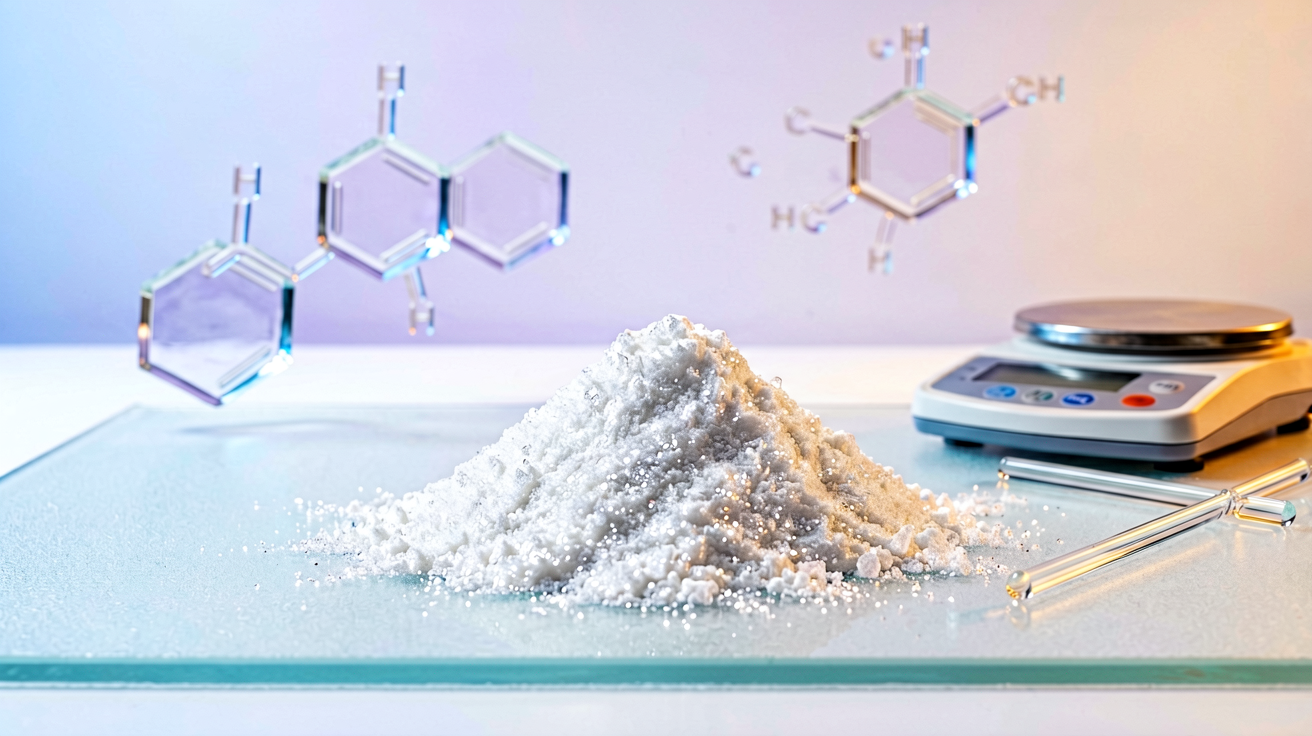
4-Butylresorcinol (4-n-butylresorcinol) is a resorcinol derivative with the molecular formula C₁₀H₁₄O₂. Its mechanism of action is remarkably direct: it acts as a competitive inhibitor of tyrosinase, binding reversibly to the enzyme’s active site and competing with its natural substrate, L-tyrosine.
This is mechanistically distinct from the approach taken by alpha-arbutin (also a competitive inhibitor, but with different binding kinetics) and fundamentally different from kojic acid (which chelates copper ions at the enzyme’s active site). The resorcinol moiety — a benzene ring with two hydroxyl groups at positions 1 and 3 — provides the structural basis for tyrosinase binding. The butyl chain at position 4 extends the molecule’s lipid solubility, enhancing its ability to penetrate the stratum corneum and reach melanocytes in the basal epidermis.
Kolbe et al. (2013) demonstrated that 4-butylresorcinol directly inhibits human tyrosinase in a dose-dependent manner, with significantly greater potency than arbutin or kojic acid at equivalent concentrations. This study, published in the Journal of the European Academy of Dermatology and Venereology, remains the foundational reference for understanding its mechanism.
Clinical Efficacy: Head-to-Head Performance Data
The most compelling evidence for 4-butylresorcinol comes from comparative clinical studies that pit it against established brightening agents under controlled conditions.
A 2014 randomized, double-blind, split-face study by Khemis et al. compared a 0.3% 4-butylresorcinol formulation against a vehicle control over 12 weeks in 32 subjects with melasma. The 4-butylresorcinol group showed a statistically significant reduction in Melasma Area and Severity Index (MASI) scores, with measurable lightening observed as early as week 4. The treatment was well-tolerated with no significant adverse events reported.
More notably, an in vitro comparative study published in the International Journal of Cosmetic Science tested 4-butylresorcinol against hydroquinone, arbutin, and kojic acid using human tyrosinase assays. Results showed the following IC₅₀ values (concentration required for 50% enzyme inhibition):
- 4-Butylresorcinol: 13 μmol/L
- Hydroquinone: 40 μmol/L
- Kojic Acid: 400 μmol/L
- Arbutin: 6,500 μmol/L
These figures reveal that 4-butylresorcinol inhibits tyrosinase at approximately 3× the potency of hydroquinone, 30× that of kojic acid, and 500× that of arbutin on a molar basis. This does not automatically translate to 500× greater clinical efficacy — formulation delivery, concentration, and skin penetration dynamics all play critical roles — but the enzymatic potency advantage is unambiguous.
The Hydroquinone Comparison: Why Potency Alone Is Not the Full Story
A recurring point of confusion in cosmetic chemistry is the relationship between in vitro IC₅₀ values and real-world clinical outcomes. While 4-butylresorcinol shows superior enzyme inhibition to hydroquinone in the test tube, hydroquinone remains the gold standard for clinical depigmentation in many regulatory jurisdictions — albeit with well-documented safety concerns including exogenous ochronosis, contact dermatitis, and carcinogenicity risk that have led to its ban in the EU, Japan, and Australia for OTC cosmetic use.
This regulatory landscape creates the precise gap that 4-butylresorcinol fills. For formulators targeting international markets where hydroquinone is restricted, 4-butylresorcinol offers a mechanistically analogous approach (direct tyrosinase inhibition) without the safety baggage. A 2020 review by Pillaiyar et al. in the Journal of Medicinal Chemistry explicitly positioned resorcinol derivatives — and 4-butylresorcinol in particular — as leading candidates in the post-hydroquinone era of pigment control.
Formulation Parameters: Solubility, Stability, and pH Considerations
From a formulation standpoint, 4-butylresorcinol presents both opportunities and challenges:
- Solubility: 4-Butylresorcinol is lipophilic (log P ≈ 3.5), meaning it dissolves preferentially in oils and non-polar solvents. Water-based formulations require solubilization systems — typically glycols (butylene glycol, pentylene glycol) or ethoxylated emulsifiers. The published effective concentration range in clinical studies is 0.1–1.0%, with 0.3% being the most commonly studied concentration.pH Stability: The compound is stable across a formulation pH range of 4.0–7.0. It does not undergo the rapid oxidative degradation that plagues L-ascorbic acid formulations, making it significantly easier to formulate in stable, long-shelf-life products.Synergy: In vitro data suggests additive or synergistic effects when combined with other pathway inhibitors, particularly niacinamide (which acts at the melanosome transfer stage rather than enzymatic inhibition) and retinoids (which accelerate epidermal turnover and enhance penetration).Oxidation Sensitivity: Like most phenolic compounds, 4-butylresorcinol can oxidize upon prolonged exposure to air and light. Formulations should include chelating agents (EDTA, phytic acid) and antioxidant protectants. Airless packaging is strongly recommended.
Safety Profile and Regulatory Status
The safety data for 4-butylresorcinol in topical cosmetic use is reassuring. A 2015 human repeated insult patch test (HRIPT) conducted across 50 subjects with 0.3% 4-butylresorcinol formulation showed no evidence of skin irritation or allergic contact sensitization. The ingredient has been reviewed by the Cosmetic Ingredient Review (CIR) Expert Panel and is considered safe for use in leave-on cosmetic products at concentrations up to 1%.
Importantly, 4-butylresorcinol does not exhibit the melanocyte cytotoxicity that characterizes hydroquinone. In vitro melanocyte viability assays show that even at concentrations well above those used in cosmetic formulations, the compound does not induce apoptosis or necrosis in melanocytes. This distinguishes it mechanistically from cytotoxic bleaching agents and supports its classification as a tyrosinase inhibitor rather than a melanocyte toxin.
Relevance to Southeast Asian Skin: Phototype-Specific Considerations
Southeast Asian populations (Fitzpatrick skin types III–V) represent a crucial demographic for pigment control products. These skin types exhibit higher baseline melanogenic activity and greater susceptibility to post-inflammatory hyperpigmentation (PIH) compared to Caucasian phototypes. This makes tyrosinase inhibitors with strong efficacy and excellent safety profiles particularly valuable in this market.
Several studies have specifically evaluated resorcinol derivatives in Asian populations. A 2018 open-label study conducted in Thailand evaluated a 0.3% 4-butylresorcinol serum in 28 Thai women with melasma over 8 weeks, reporting a mean MASI reduction of 38% with good tolerability across all subjects. This data is directly relevant to the primary market served by Melasyl Skin Tech Lab’s content audience.
Comparative Efficacy: A Data-Driven Perspective
| Ingredient | Mechanism | IC₅₀ (μmol/L) | Clinical Study Support | Safety Ceiling |
|---|---|---|---|---|
| 4-Butylresorcinol | Competitive tyrosinase inhibitor | 13 | Multiple RCTs, split-face studies | 1% (CIR) |
| Hydroquinone | Tyrosinase inhibitor + melanocyte toxin | 40 | Extensive (gold standard) | 2-4% (Rx only in many regions) |
| Kojic Acid | Copper chelation at active site | 400 | Moderate; often used in combinations | 1% (CIR) |
| Alpha-Arbutin | Competitive tyrosinase inhibitor (pro-drug) | 6,500 | Moderate; fewer independent RCTs | 2% (SCCS) |
| Niacinamide | Melanosome transfer inhibition | N/A (different mechanism) | Multiple RCTs (4-5% concentrations) | 10% (well-tolerated) |
Future Research Directions
Three areas of active investigation merit attention:
- Liposomal and nanoparticulate delivery: Encapsulation strategies to enhance epidermal penetration and controlled release are being explored to improve the bioavailability of 4-butylresorcinol at the melanocyte level. Early results suggest nanoparticle-encapsulated 4-butylresorcinol may achieve equivalent efficacy at lower concentrations.Fixed-dose combinations: Multi-pathway protocols pairing 4-butylresorcinol with melanosome transfer inhibitors (niacinamide), anti-inflammatory agents (azelaic acid), and epidermal turnover accelerators (retinoids) represent the logical next step in combination therapy for refractory hyperpigmentation.Long-term maintenance protocols: While acute efficacy data (8–12 week studies) is well-established, the durability of pigment suppression and optimal maintenance regimens remain under-studied. Longitudinal data on recurrence rates following treatment cessation would be valuable for evidence-based clinical protocols.
Conclusion
4-Butylresorcinol occupies a unique position in the cosmetic dermatology arsenal: it offers tyrosinase inhibition potency that exceeds hydroquinone on a molar basis, with a safety profile that permits global regulatory acceptance. For formulators developing brightening products targeting the Southeast Asian market — where efficacy expectations are high and safety scrutiny is intensifying — 4-butylresorcinol represents one of the most compelling active ingredients available today.
The combination of strong enzymatic data, positive clinical trial outcomes, and a clean safety record makes it difficult to justify its continued position as a “niche” ingredient. The evidence supports broader adoption — and as regulatory pressure on hydroquinone continues to mount globally, 4-butylresorcinol is positioned to become a mainstream standard in evidence-based pigment control.
Disclaimer: This article is for informational and educational purposes only. It is not intended as medical advice or as a substitute for professional dermatological consultation. Always consult a qualified dermatologist for treatment of hyperpigmentation conditions.
Interested in Formulation Data Collaboration?
Let's discuss how Melasyl AI can accelerate your next whitening or brightening formula. Technical collaboration, data licensing, or custom AI-driven research — reach out.
Contact Wei →