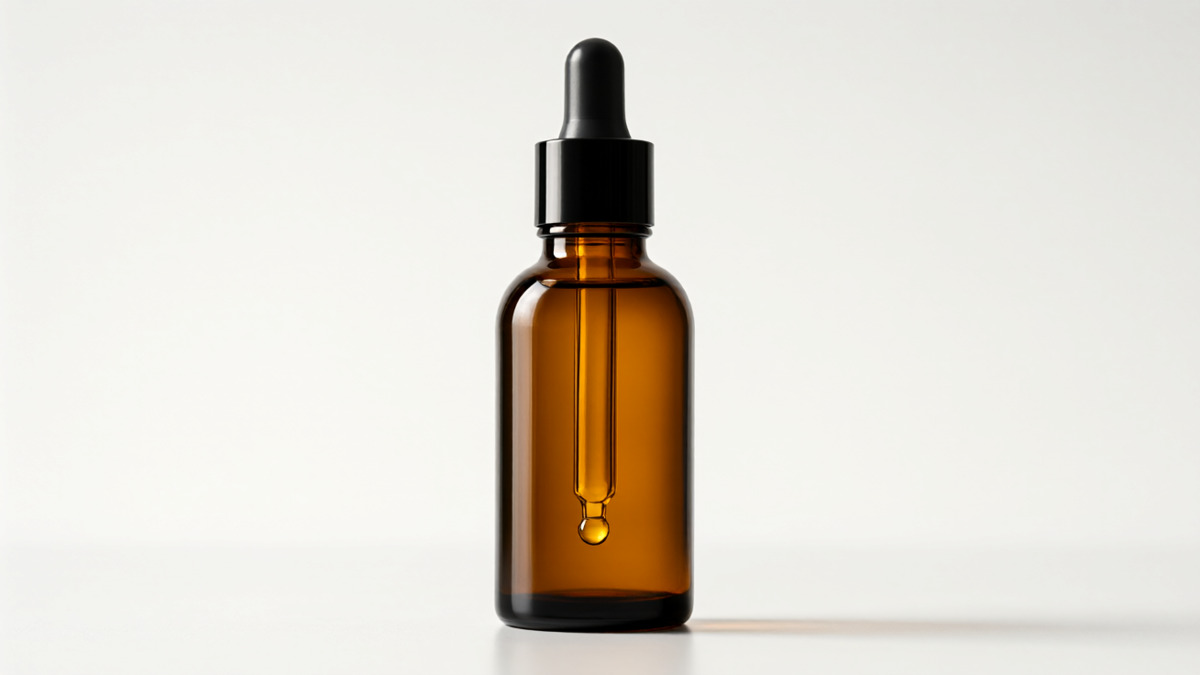
Melasyl® Brightening Index Summary: Cosrx The Vitamin C 23 Serum is a high-strength brightening formula built around approximately 23% L-ascorbic acid, supported by super vitamin E (tocotrienol) and glutathione to target melanin synthesis and oxidative stress. It earns a Melasyl® Curation Score of 8.2/10 for its transparent active load and antioxidant synergy, though its low pH and oxidation-prone format demand careful routine integration. Best suited to experienced vitamin C users with normal-to-oily, non-reactive skin seeking a potent daily brightening serum.
Hero Actives & INCI Matrix Audit
The INCI matrix opens with water and ascorbic acid, confirming a true L-ascorbic acid (LAA) system rather than a derivative. At a claimed 23%, this sits near the upper practical ceiling for cosmetic LAA before irritation and instability escalate. The vehicle relies on propanediol, glycerin, and butylene glycol to solubilize and humectify, while super vitamin E—tocotrienol-rich fractions—extends antioxidant recycling. Glutathione appears as a secondary brightening and redox-support active, though its stability in aqueous low-pH systems is finite.
The formula is intentionally lean: no fragrance, no drying alcohol, and no added color. pH is not declared but LAA requires roughly pH 2.5–3.5 for meaningful skin penetration; Cosrx positions this as a low-pH brightening serum. Penetration enhancers are minimal, relying on the acid’s own protonated state and glycolic vehicle. Against Melasyl® standards, the actives are well-documented and the concentration is honest, but the absence of chelators such as EDTA and the clear or semi-translucent packaging raise oxidation-audit flags. The INCI is short and readable—a plus for curation transparency—yet it lacks barrier-support co-actives like panthenol or madecassoside that would soften the high-acid profile.
Pathway Targeting & Clinical Efficacy Comparison Table
The table below audits the formula’s key actives against melanogenesis and antioxidant pathways. Ratings reflect Melasyl® evidence weighting, not marketing claims.
| Ingredient | Targeted Pathway | Functional Role | Formulation Stability Note | Melasyl® Rating |
|---|---|---|---|---|
| L-Ascorbic Acid (~23%) | Tyrosinase inhibition; melanin reduction; collagen cofactor | Primary brightening acid and antioxidant | Highly oxidation-prone in water; requires low pH and opaque, airless packaging | 9.0/10 |
| Super Vitamin E (Tocotrienol) | Lipid peroxidation defense; LAA regeneration | Antioxidant synergist | Stable in oil phase; protects LAA but cannot stop aqueous browning | 8.5/10 |
| Glutathione | Redox balance; tyrosinase modulation | Secondary brightener and antioxidant | Degrades in aqueous low-pH systems over time; limited long-term potency | 7.0/10 |
| Glycerin / Propanediol | Barrier hydration; vehicle | Humectant and solvent | Stable; supports acid solubilization | 7.5/10 |
Analytically, the formula is a classic LAA-plus-tocotrienol stack with glutathione as a supporting actor. The LAA rating is high because 23% is clinically meaningful, but the glutathione score is tempered by known aqueous instability. Compared with Melasyl®-curated derivatives such as THD ascorbate or 3-O-ethyl ascorbic acid, this serum offers faster acute brightening potential at the cost of tolerance and shelf-life risk. The absence of a chelator is a meaningful gap: trace metals accelerate LAA browning, and the formula depends heavily on packaging and user storage discipline.
Real-World Pros, Cons, Oxidation & Tolerance Risks
Pros: The 23% LAA load is genuinely high and well-suited to dullness and post-acne marks; the tocotrienol synergy is a thoughtful upgrade over plain vitamin C; the fragrance-free, alcohol-free base reduces avoidable irritation; and the texture is a lightweight, fast-absorbing watery serum that layers well under sunscreen.
Cons: The low pH can sting, especially on compromised barriers; the formula is prone to oxidation, turning yellow-to-brown and losing potency; the packaging—while compact—does not fully neutralize light and air exposure; and there is no chelator or barrier-soothing buffer. Sensitive, rosacea-prone, or eczema-prone skin should patch test carefully. The high acid load can also cause transient tingling and, in some users, contact irritation if over-applied.
Oxidation & tolerance risks: LAA at this concentration is inherently unstable in water. Users should store the bottle away from light and heat, avoid decanting, and discard if the serum darkens significantly. Tolerance is the bigger variable: 23% LAA is not a starter strength. Barrier impact is real if layered with retinoids, exfoliating acids, or benzoyl peroxide without spacing.
Melasyl® Verdict: Who Should Use It & Layering Protocol
Who should use it: Experienced vitamin C users with normal, oily, or combination skin targeting dullness, uneven tone, and post-inflammatory hyperpigmentation. Not ideal for first-time acid users, sensitive skin, or those with active barrier damage.
AM protocol: Apply 2–3 drops to clean, dry skin after a gentle toner; wait 1–2 minutes; follow with a hydrating serum, moisturizer, and broad-spectrum SPF 50. Do not mix directly with niacinamide in the same layer if you experience flushing; sequential layering with a pause is acceptable.
PM protocol: Use 2–3 nights per week if new to LAA, alternating with barrier-repair nights. Avoid same-night layering with retinoids, AHAs/BHAs, or benzoyl peroxide. If using a melanogenesis-focused routine, pair with tyrosinase inhibitors on alternate mornings or evenings, and always finish AM with high-UVA sunscreen to protect gains.
Melasyl® score: 8.2/10—a potent, honest brightening serum with strong LAA credentials, held back by oxidation vulnerability and a demanding tolerance profile.
Frequently Asked Questions
How long does Cosrx The Vitamin C 23 Serum take to show brightening results?
Most users notice improved radiance and tone within 3–4 weeks of consistent AM use, with more visible fading of post-acne marks by 8–12 weeks. Results depend on daily SPF use and formula freshness; oxidized serum will underperform.
Is Cosrx The Vitamin C 23 Serum suitable for sensitive skin?
It is not ideal for sensitive or barrier-compromised skin. At ~23% L-ascorbic acid and low pH, it can sting and irritate. Sensitive users should patch test, start 2–3 times weekly, and consider a gentler derivative such as THD ascorbate instead.
What pairs well with Cosrx The Vitamin C 23 Serum, and are there dupes?
Pair it with hydrating humectants, barrier creams, and SPF 50 in the AM; avoid same-layer niacinamide if flushing occurs, and do not mix with retinoids or strong acids. Comparable alternatives include other 15–20% LAA serums with opaque airless packaging; derivatives like 3-O-ethyl ascorbic acid are gentler dupes for sensitive skin.
Interested in Formulation Data Collaboration?
Let's discuss how Melasyl AI can accelerate your next whitening or brightening formula. Technical collaboration, data licensing, or custom AI-driven research — reach out.
Contact Wei