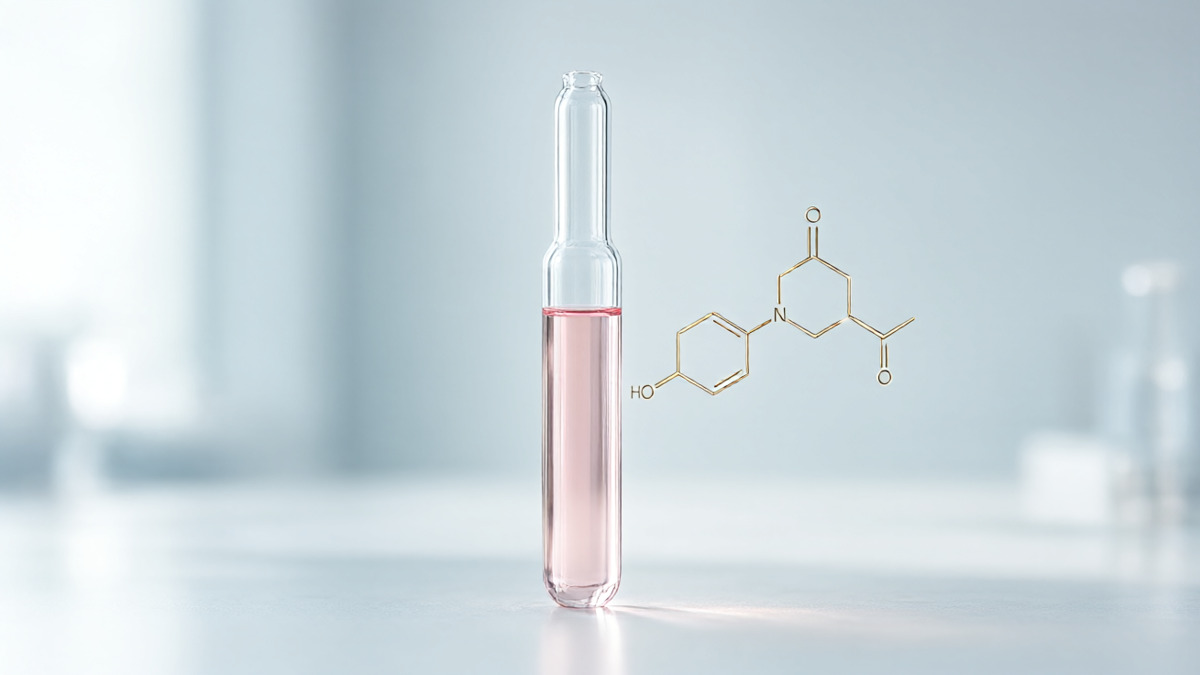
Decoding the Melanogenic Pathway
In the formulation of high-efficacy brightening agents, understanding the kinetics of tyrosinase is paramount. This copper-containing enzyme catalyzes the oxidation of tyrosine to L-dopaquinone, the rate-limiting step in melanogenesis. For cosmetic chemists targeting hyperpigmentation, particularly in the context of Southeast Asian skin types where melanin density is high, the goal is not merely to block the enzyme but to modulate its kinetic activity without compromising the skin’s barrier integrity.
The Role of pH in Enzyme Activity
The optimal pH for tyrosinase activity ranges between 6.5 and 7.5. However, the skin’s surface pH is typically acidic (4.5–5.5). Formulators must navigate this gap. While a lower pH can slightly inhibit tyrosinase, it may also increase the irritation potential of certain active ingredients. The ideal formulation strategy involves buffering the active phase to maintain stability while allowing the final product to sit at a pH that balances efficacy and tolerability.
Formulation Synergy and Excipient Selection
Choosing excipients that support the active ingredient is critical. Water-based systems require careful selection of preservatives and solubilizers to prevent degradation. The following table illustrates common interactions:
- Alpha-Arbutin: Requires low pH to remain stable; avoid high concentrations of alkaline preservatives.
- Azelaic Acid: Highly pH-dependent; requires careful buffering to prevent crystallization.
- Niacinamide: Stable across a wide pH range but may become irritating at high concentrations in sensitive skin.
Bench Protocol: Stability Testing
Before scaling up, perform accelerated stability testing at 25°C and 40°C. Monitor color changes and pH shifts over 4 weeks. Use HPLC to quantify active ingredient degradation. This data will inform your preservative system and packaging choices.
Clinical Context and Global Relevance
In global markets, consumers demand visible results. Formulations that target multiple pathways—tyrosinase inhibition, melanosome transfer inhibition, and antioxidant protection—offer superior outcomes. By combining these strategies, we can create products that are both scientifically robust and clinically effective.
Key Takeaway: Kinetic inhibition is more effective than static blocking in melanin pathways.
Ultimately, the science of brightening is a delicate balance of chemistry and biology. By mastering these principles, formulators can create products that deliver real results.
Interested in Formulation Data Collaboration?
Let's discuss how Melasyl AI can accelerate your next whitening or brightening formula. Technical collaboration, data licensing, or custom AI-driven research — reach out.
Contact Wei →