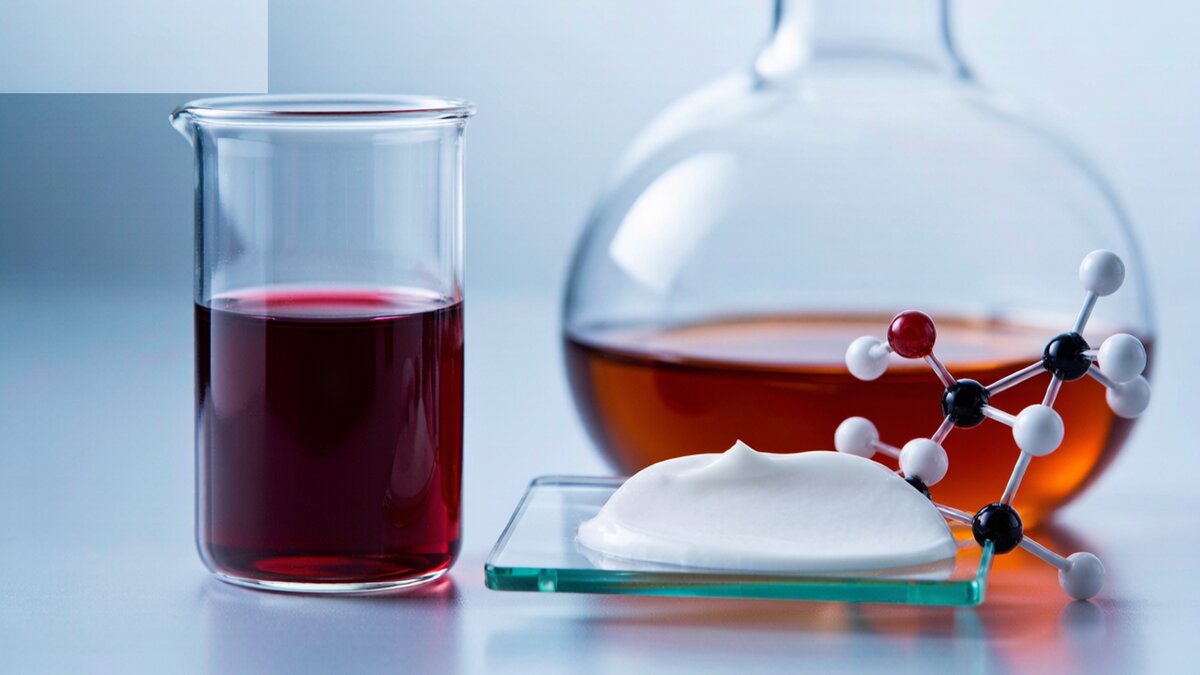
One Fruit, Two Routes, Three Enzyme Blocks
Pomegranate sits in an unusual spot in brightening science. It is not a single-molecule ingredient; it is a phenolic matrix 鈥?punicalagin, ellagic acid, gallic acid, anthocyanins 鈥?and the evidence that has accumulated over the past decade shows it acts on melanogenesis at three separate levels: tyrosinase activity, TRP-2 expression, and melanocyte proliferation. Unlike synthetic tyrosinase inhibitors that hit one step, the Punica granatum extract engages the pigment cascade upstream and downstream at once.
The reason it keeps surfacing in formulation reviews is that the raw material is genuinely cheap and abundant. Peel extracts are a byproduct of juice processing, which keeps input costs low and supply stable. That is why it shows up in serums, masks and oral supplements simultaneously.
The Topical Evidence: A 28-Day Split-Face Trial
The most direct clinical proof comes from Kanlayavattanakul and colleagues, who prepared a phenolic-rich pomegranate peel extract (sinapic acid as the dominant phenolic, with gallic and ellagic acids following) and tested it in a serum and a mask (Planta Medica, 2018). In a randomized, double-blind, placebo-controlled split-face design, 30 Thai volunteers used the active formulations against a placebo for 28 consecutive days, with skin lightness tracked by Mexameter MX 18. The active side beat the placebo (p < 0.005), and melanin content dropped measurably. The effect was already visible after one week and peaked at day 28. A closed-patch test on the same 30 subjects found no irritation.
This is the kind of evidence a formulator wants to quote: a real product, a real endpoint, a control side. The peel phenolics are not just lab-culture noise.
The Cellular Proof: Tyrosinase and TRP-2
Wang and co-authors at Infinitus/LabSkin (Clinical, Cosmetic and Investigative Dermatology, 2021) tested pomegranate extract and its active molecule punicalagin in melanocytes. Both reduced tyrosinase activity (p < 0.05) and melanin synthesis (p < 0.001) in a dose-dependent manner, with punicalagin at 0.5 碌M as the reference dose. In a 3D full-thickness pigmented skin model, the extract plus its active inhibited melanin production and premelanosomal protein (PMEL) expression (p < 0.001). That is a two-node suppression: the enzyme, and the structural protein that packages melanin into transfer-ready melanosomes.
This matters because a lot of botanical brighteners only touch one node. Pomegranate touches both, which is why the in-vivo and in-vitro data line up.
The Oral Route: A Surprisingly Strong RCT
The most under-appreciated pomegranate data is the oral route. In a 12-week randomized trial (74 participants), participants consumed either 1000 mg of pomegranate fruit extract (PomX) or 8 oz of pomegranate juice (PomJ) daily. Both arms showed a significant increase in minimum erythemal dose (MED) 鈥?PomX p = 0.011, PomJ p = 0.038 鈥?compared to placebo. In other words, the skin became measurably more resistant to UVB burn. Melanin index also dropped in both groups.
The mechanism is not the extract reaching the skin topically. It is the polyphenols being absorbed, reducing systemic oxidative stress, and lowering the pigment load in UV-exposed skin. This is why pomegranate is one of the few botanicals with a credible oral brightening pathway, not just a topical one.
Punica granatum in the Skincare Market
The punicalagin mechanism is worth understanding. Punicalagin is a large ellagitannin (MW > 1000) that is hydrolyzed in the gut and on the skin surface into ellagic acid and gallic acid. The active tyrosinase inhibition comes from the metabolites, not the parent molecule. That is why oral pomegranate works and why a punicalagin serum is less effective than an ellagic-acid-rich peel extract.
Topical dose in clinical work has been 0.2% peel extract in serum and mask formats. The peel extract is the form to use, not the fruit juice (which is water-diluted and sugar-heavy).
Formulation Considerations
Punica granatum extract is stable across a wide pH range (4.5鈥?.5) and does not require special stabilization. It layers well with niacinamide, vitamin C derivatives, and arbutin. The main caution is photostability: ellagic acid degrades under UV, so products should be packed in opaque bottles or used in the evening routine.
Safety and Caveats
The peel extract is well tolerated in the patch test and the 28-day trial. The main safety note is a sensitivity to pomegranate itself (rare but documented). The oral route data is strong, but it is a supplement, not a substitute for sunscreen 鈥?the MED increase is additive, not a replacement.
The caveat that formulators should state plainly: the topical split-face trial is a single-site study with a 30-person sample. It is credible but not large. The oral RCT is the strongest evidence, but it measures MED and melanin index, not a consumer-facing dark-spot score. The punicalagin mechanism is well understood, but the dose-response curve in real products is not yet mapped in commercial settings.
What the Evidence Says
Pomegranate is one of the few botanicals with both a credible topical split-face trial and a credible oral RCT. The peel extract is the form to use, at 0.2% in serum or mask format. The oral route is genuinely different from the topical route and adds a systemic photoprotective layer that no topical serum can replicate.
For a melasma or hyperpigmentation routine, pomegranate is not a replacement for tyrosinase inhibitors like kojic acid or tranexamic acid. It is a complementary antioxidant that suppresses melanogenesis at multiple nodes and reduces the UV load that drives new pigment. It works best as a layer in a multi-pathway routine, not as a standalone treatment.
References: Kanlayavattanakul et al., Planta Medica 2018 (phenolic-rich pomegranate peel extract, split-face 28-day trial); Wang et al., Clinical Cosmetic and Investigative Dermatology 2021 (punicalagin tyrosinase/TRP-2 suppression, 3D skin model); PunX RCT, 12-week oral trial (MED and melanin index); Kanlayavattanakul review, Punica granatum extracts in dermatology.
Interested in Formulation Data Collaboration?
Let's discuss how Melasyl AI can accelerate your next whitening or brightening formula. Technical collaboration, data licensing, or custom AI-driven research — reach out.
Contact Wei →