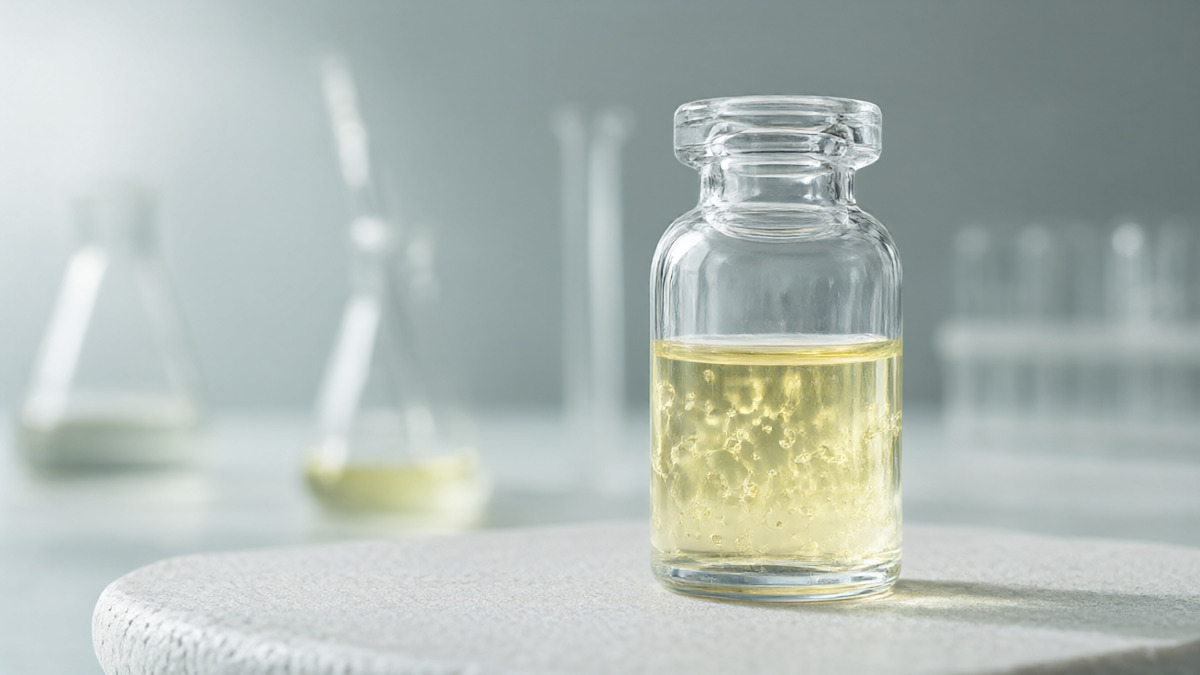
For independent formulators, the quest for effective hyperpigmentation treatment often hits a wall with the instability of potent melanin inhibitors. While hydroquinone remains the gold standard, its toxicity profile and rapid oxidation demand alternatives that offer both efficacy and shelf-life reliability. This guide focuses on the cosmetic chemistry required to stabilize these pathways without compromising dermatological performance.
The Chemical Bottleneck: Oxidation and pH
The primary challenge in brightening formulations is not the lack of active ingredients, but the maintenance of their chemical integrity. Many potent tyrosinase inhibitors are sensitive to light, oxygen, and pH fluctuations. In the Southeast Asian context, where ambient humidity accelerates oxidative degradation, the formulation matrix must be engineered to protect the actives.
Buffering Strategies for Acidic Actives
Acidic ingredients such as ascorbic acid derivatives or azelaine acid require precise pH management. If the pH drifts above 5.5, the efficacy of many melanin inhibitors drops significantly. We recommend using a buffered system that maintains a pH of 5.0-5.5. This range is optimal for transepidermal delivery while keeping the active molecules in their most reactive state.
- Ascorbyl Glucoside: Stable at lower pH, but requires protection from light.
- Alpha-Arbutin: More stable than hydroquinone, but susceptible to oxidation over time.
- Kojic Acid: Highly prone to discoloration; requires immediate antioxidant pairing.
Formulation Synergy Tables
Understanding how different stabilizers interact with melanin inhibitors is crucial for bench formulation. The following table outlines effective pairings for stability.
Active Ingredient | Recommended Stabilizer | Mechanism
Alpha-Arbutin | Vitamin E (Tocopherol) | Scavenges free radicals, prevents yellowing
Kojic Acid | Sodium Metabisulfite | Reduces oxidation, maintains clarity
Ascorbic Acid | Phytic Acid | Chelates metals, prevents catalytic degradation
The Role of Antioxidants in Brightening
Antioxidants are not merely preservatives; they are functional ingredients that extend the life of melanin inhibitors. When formulating a serum containing alpha-arbutin, adding a small amount of tocopherol creates a synergistic effect. The tocopherol sacrifices itself to oxygen, protecting the arbutin from oxidative decay. This is particularly important in tropical climates where packaging may not be perfectly light-tight.
“Stability is not just about shelf life; it is about ensuring the molecule remains chemically identical from the moment it is applied to the skin.”
Stability Troubleshooting
If your formula begins to turn yellow or brown, it is a sign of oxidation. This is particularly common with kojic acid and ascorbic acid derivatives. To troubleshoot, first check your packaging. Amber glass or opaque pumps are essential for light-sensitive actives. Second, review your antioxidant load. If you are using a water-based serum, ensure you have a sufficient amount of antioxidant to protect the entire batch.
Additionally, consider the water phase. If you are using tap water or untreated distilled water, the presence of metal ions can catalyze oxidation. Always use chelating agents such as EDTA to bind these metals.
Clinical Concentration Guides
For optimal results, we recommend the following concentrations:
- Alpha-Arbutin: 1-2% for daily use. Higher concentrations may lead to irritation.
- Kojic Acid: 1-4%. Above 4%, the risk of irritation increases significantly.
- Ascorbic Acid: 10-20%. Use lower concentrations for sensitive skin types.
By mastering these formulation techniques, you can create brightening products that are both effective and stable. The key is to treat stability as an active ingredient, not just a byproduct. With careful attention to pH, antioxidants, and packaging, you can deliver melanin inhibition that stands the test of time.
Interested in Formulation Data Collaboration?
Let's discuss how Melasyl AI can accelerate your next whitening or brightening formula. Technical collaboration, data licensing, or custom AI-driven research — reach out.
Contact Wei →