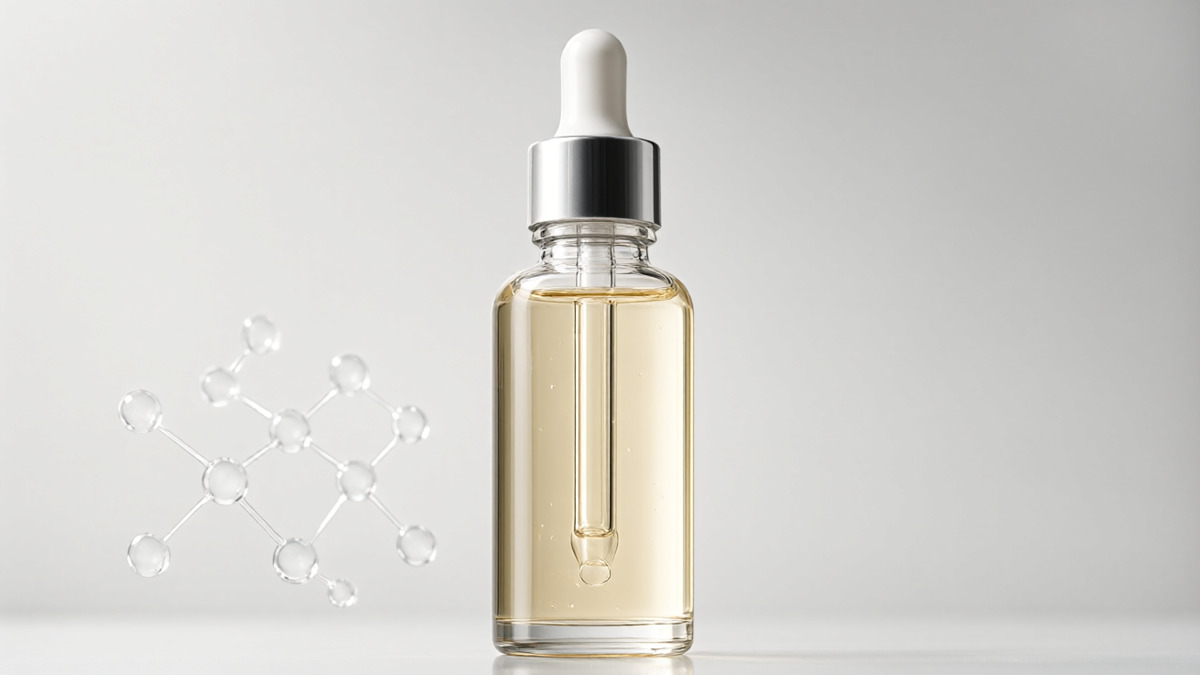
The Chemical Interface of Melanin and Caffeine
In the realm of cosmetic chemistry, caffeine is often reduced to a simple vasoconstrictor. However, for the independent formulation scientist targeting hyperpigmentation, caffeine represents a complex kinetic variable. Its interaction with melanocytes is not merely static but dynamic, governed by pH, concentration, and the stability of the surrounding matrix. This guide explores the bench-level science required to harness caffeine’s potential in brightening pathways.
Understanding the Melanin Kinetic Model
Hyperpigmentation is fundamentally a failure of melanin degradation. Caffeine acts as a kinetic inhibitor of melanogenesis by modulating the activity of tyrosinase. However, this modulation is highly sensitive to environmental factors. In the formulation matrix, caffeine competes with melanin for oxidative stability. When caffeine oxidizes, it forms quinone-like species that can paradoxically accelerate melanin deposition. Therefore, the goal is not simply to add caffeine, but to create a kinetic environment where caffeine remains stable and active.
- Oxidative Susceptibility: Caffeine is prone to oxidation in the presence of oxygen and light, forming caffeine quinones.
- pH Sensitivity: The protonation state of caffeine changes its solubility and biological activity, affecting its ability to penetrate the epidermal barrier.
- Matrix Stability: The formulation must protect caffeine from degradation while allowing it to interact with melanin precursors.
Bench Formulation: The Stability Challenge
To effectively use caffeine in a brightening regimen, one must address its instability. The following table outlines key parameters for formulation:
| Parameter | Optimal Range | Scientific Rationale |
|---|---|---|
| Caffeine Concentration | 0.5% – 2.0% | Lower concentrations minimize oxidation risk while maintaining anti-melanogenic activity. |
| System pH | 5.5 – 6.5 | Aligns with skin surface pH, maximizing caffeine solubility and reducing ionic degradation. |
| Antioxidant Synergy | Vitamin C derivatives | Co-formulation with stable Vitamin C derivatives scavenges radicals that degrade caffeine. |
Formulation Strategy: The Synergy Matrix
The most effective brightening systems combine caffeine with other antioxidants to create a protective shield. This approach ensures that caffeine remains in its reduced state, allowing it to inhibit tyrosinase rather than oxidize into melanogenic precursors. The use of water-soluble Vitamin C derivatives is critical here, as they provide a dual benefit: they inhibit tyrosinase directly and protect caffeine from oxidative degradation.
“The efficacy of caffeine in brightening is not about its presence, but its kinetic stability within the formulation matrix.”
Troubleshooting Clinical Concentrations
When formulating for the SEA context, where melanin activity is often higher due to genetic predisposition and environmental exposure, one must be cautious. Higher concentrations of caffeine can lead to local irritation, which triggers inflammatory melanogenesis. The bench scientist must balance the desired kinetic inhibition with the skin’s tolerance. A gradual increase in concentration is recommended, starting at 0.5% and titrating up based on clinical feedback.
- Signs of Over-Formulation: Redness, itching, or increased pigmentation after application.
- Signs of Under-Formulation: No visible change in melanin distribution.
- Adjustment Protocol: Adjust pH or concentration to restore kinetic balance.
Global Context and Future Directions
As we move towards more personalized skincare, the role of caffeine in hyperpigmentation treatment will evolve. The key lies in understanding the kinetic interplay between caffeine, melanin, and the formulation matrix. By mastering these principles, formulators can create products that are not just stable, but dynamically effective in the face of melanin’s relentless production.
Interested in Formulation Data Collaboration?
Let's discuss how Melasyl AI can accelerate your next whitening or brightening formula. Technical collaboration, data licensing, or custom AI-driven research — reach out.
Contact Wei →